Cakes and Cookies, Desserts, Singapore, Snack

Pineapple Tarts

Every Chinese New Year or Hari Raya (Eid ul Fitr) will never be complete without families making and eating these delicious buttery sweet and sour pineapple tarts. And being in a beautiful multi-racial country, I get to enjoy everyone’s festivities many times over. ☺️

Earlier in the year before COVID-19 interrupted our lives, I already received a bottle of pineapple tarts from the office management for Chinese New Year. Now, with the Circuit Breaker in place and Hari Raya round the corner, I decided to finally conquer my fears and make my mother’s pineapple tart recipe.

It’s a daunting task. You definitely need helpers at hand. However, you can halve the recipe or even quarter it and make a small batch. Here is the original recipe:

For the tart pastry:

1. 500g butter (use the best you have. I used French butter and I think that made all the difference)

2. 3 whole eggs (some people use 2 yolks and 1egg but that will result in a delicious but crumbly pastry. Delicious I know but difficult to handle)

3. 900g plain all-purpose flour

4. 1/4 tsp of yellow colouring. You can omit this.

For the pineapple filling: I cheated. I used a store bought ready made filling but added one pineapple of my own. To make your filling from scratch, you need to grate 2-3 fresh pineapples, and then cook it down on a Low flame till it becomes jelly like. Add sugar. You’ll know when it’s ready when all the liquid has evaporated and you can form balls from the pineapple.

And then the rest is easy. Laborious work but easy.

First step is to make the dough. Using a mixer is easiest but you can certainly make this using just a wooden spoon, and a lot of muscle power.
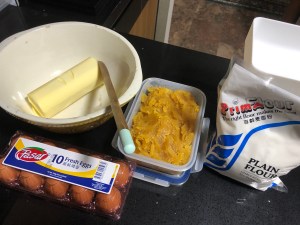
Prep your ingredients. The butter needs to be very soft so that you can cream it with the eggs.
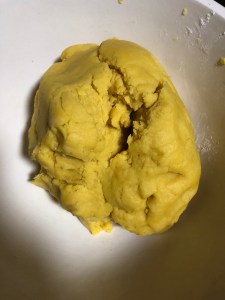
Cream butter and eggs. Add flour slowly till you can form a soft dough.
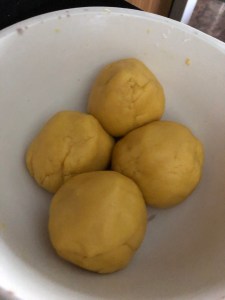
Break the dough into four for easier handling and let it rest, covered, for at least two hours.

Once the dough is rested, it’ll be easy to roll. If you can’t roll it, just use your cleaned palms and pat down as much as you can’t and then, using a tart cookie mould, cut the shape.
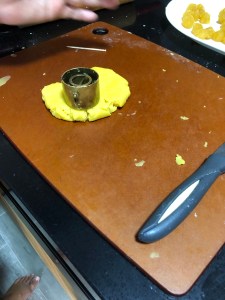

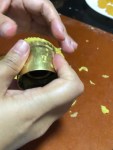
This is my tart cutter. You can find other types. All you need is a cutter with an indentation hole in the centre for you to place your filling in.
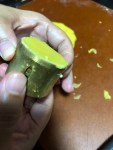
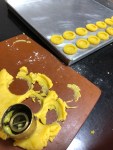
Press hard and clean the edges. This cutter is not so good that’s why it’s hard to achieve a clean line. The more modern plastic ones will produce better results.
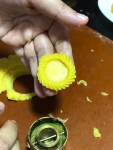
With your thumb, gently peel off the dough.
Tada!
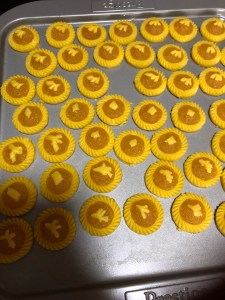
Fill a tray of the dough first.
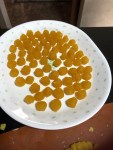
These pineapple jelly balls are too big but they will make an easier task later. From that pan of jelly, take a small scoop to form into balls. Then eyeball how much you need to fill the dough casing.
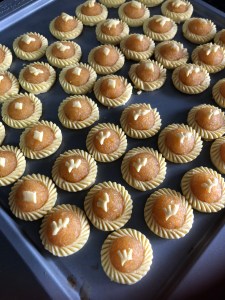
Once the pineapple jelly is in the dough, you can choose to do a topper with some dough. Roll out some dough till very thin and cut into shapes. Diamonds, flowers, or you can just omit this step.
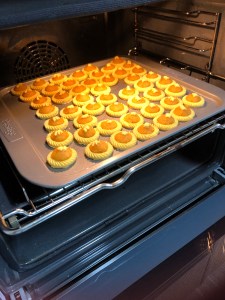
Put a ready filled tray in the oven at 170 Celsius for 10- 15min or until the bottom is done. Don’t over bake or you’ll end up with a hard filling and pastry.
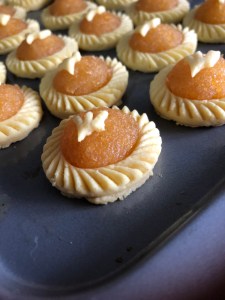
The first tart here, you can see where the edges of the pastry was not neatly cut. But many turned out OK so I was pleased.
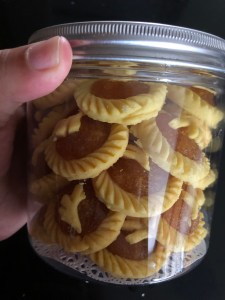
Persevere and carry on. 500g of butter will make about 180-200 of this size tarts. That’s a lot! So if you’re just making for yourself, half the recipe.
But I like to give away some to close family and friends so that everyone can enjoy this decadent treat! 😍

Asian Dishes, Noodles and Pasta, Singapore

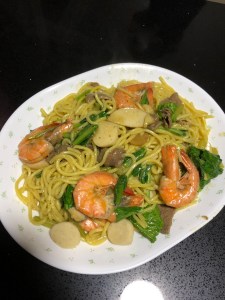
Mee Hong Kong

This is one of those dishes that the name bears no link at all to the country it’s named after. Very much like ‘Singapore noodles’. Yet, this Mee Hong Kong is a popular yellow noodle dish popular in Malaysia and Singaporean Malays. I’ve never heard of my Chinese friends eat this. Unless they call it by another name. Hmmmm…I’ll ask my friends one day.

It’s a wet noodle dish. Not soupy, because the addition of the cornstarch slurry is supposed to make the soup thicken. Plus, the yellow alkaline noodles will absorb the liquid and make it…not dry? So basically it’s what the Malays will call a wet (basah) dish – not meant to be dry, neither is it meant to be soupy.

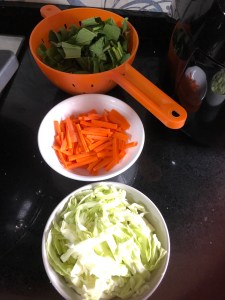
It’s very easy to make! All you need are proteins here and there (the best is to finish up whatever small amounts of prawns or squid or fishballs that you have), some greens like Chinese leafy pak choi or chye sim and yellow noodles.

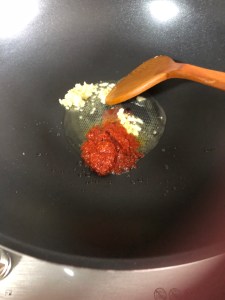
The first step is to heat a wok. Then add a tablespoon of oil. When the oil is hot, add two heaped teaspoons of garlic and four thin slices of ginger. Before the garlic burns, quickly add thinly sliced beef. Stir fry. Add prawns. And then add lots of white pepper. Now, this dish calls for lots and lots of white pepper – about one tablespoon. Add water and let the mixture simmer.

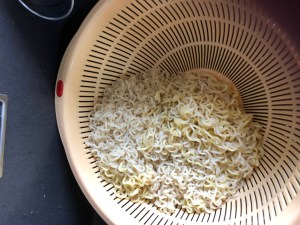
Once the beef and prawns are cooked in the stewing liquid, add your other proteins like fishballs and fish cakes. Season the mixture with a tablespoon of oyster sauce and a good dash of light soy sauce. Add a teaspoon of cornstarch slurry. Add yellow noodles (I have here two packets so that’s about 800g) and the leafy greens. Stir the mixture well.

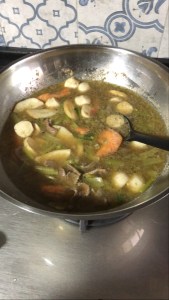
The mixture of seasoned soupy proteins before the noodles and leafy greens are in.
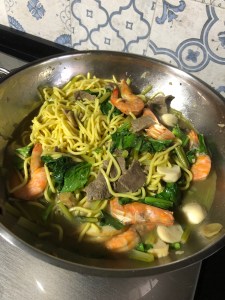
The noodles done. Very soon, all that liquid will be absorbed by the yellow noodles.
This is best served very hot. It can’t be left out too Long and they definitely don’t keep well. Eat with a sprinkling of fried shallots and pickled chillies. Yummy!
Asian Dishes, Noodles and Pasta, Singapore

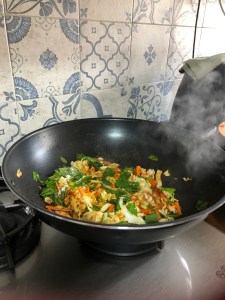
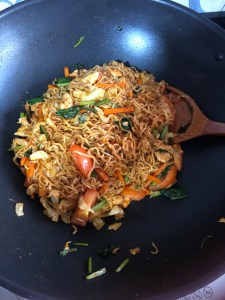
Maggi Goreng

Maggi is like a brand that is so bought over by a huge business entity. It is so synonymous with many products here -instant noodles, ketchup, chilli sauce…

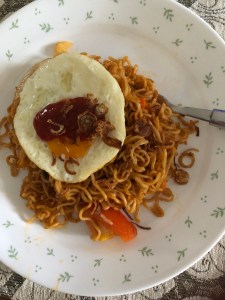
And one popular dish that is favoured by late night supper goers is freshly fried from the wok fried instant noodles or Maggi goreng. Served with a sunny side up. It’s comforting supper food.

Serve with fried egg and fried shallots. I added some more ketchup on my egg for added oomphness.
Asian Dishes, Chinese, Seafood, Singapore

Fried Garoupa with Sweet and Sour Sauce

It’s still Chinese New Year here and hence the price of fish here is exorbitant. Well, generally prices of foods and goods here are crazy high compared to elsewhere but with CNY, it’s worse when it comes to fish. But I forgot. And I had to feed the family. And so I went home with two small pieces of greasy Garoua for $30 SGD. My mom was so shocked when I told her the story.

Which meant that I had to make sure the fish did justice to my pocket! Inspired by Marion (she has like the best YouTube channel ever!), I tried to emulate her fried fish with sweet and sour sauce.

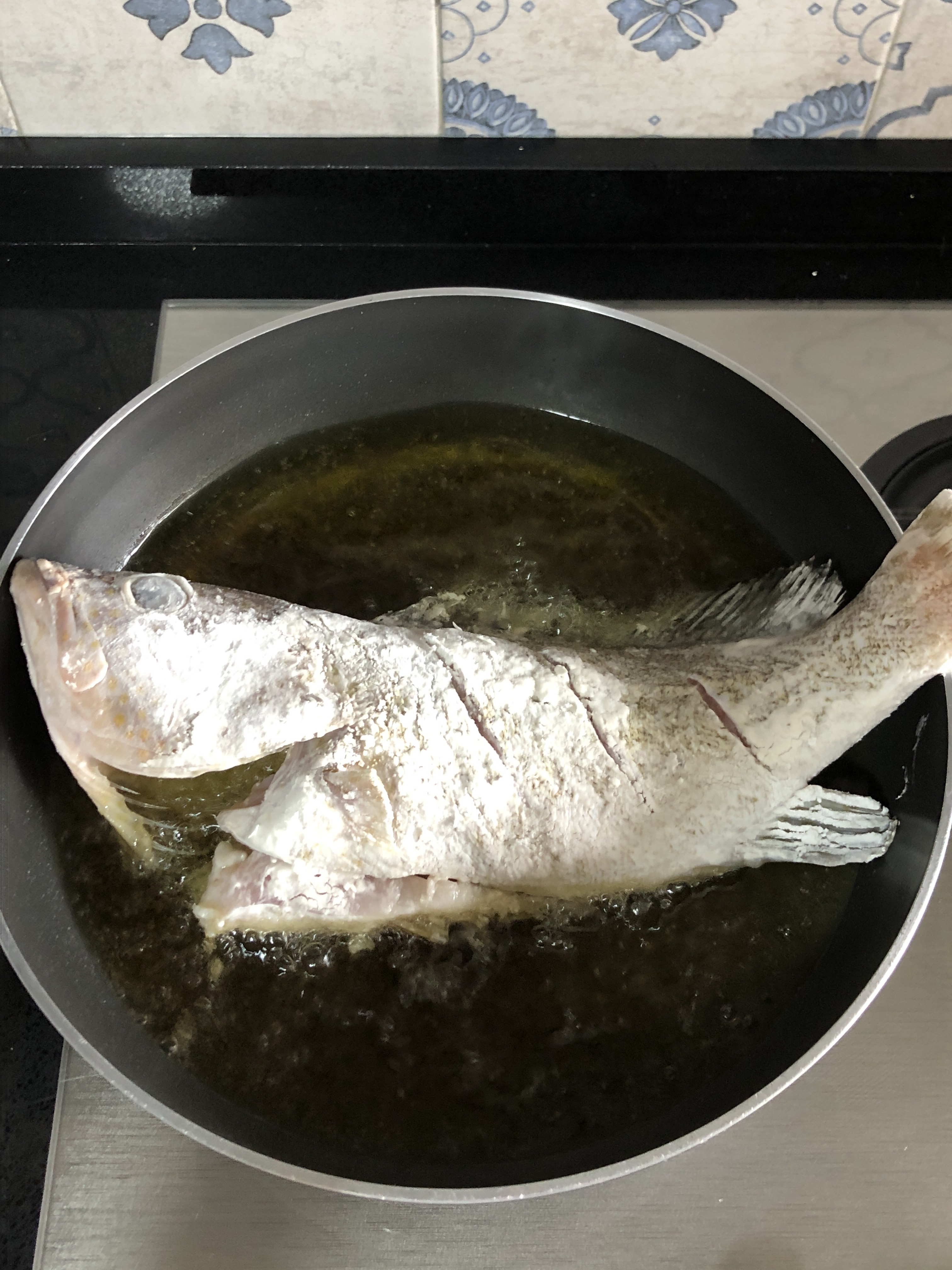
First step. Frying the fish. We all will never have a pan big enough to fry a whole fish. And even though my pricey Garoua were small, I still had that tail overhang and of course while trying to get that part cooked, I killed it. Haha. So I suggest getting a giant wok or getting a smaller fish. Marion’s step to coat it with corn flour first works.

So there’s the fish, coated with flour )but before that rubbed with some salt) frying away. And while that’s frying, you make the sauce.

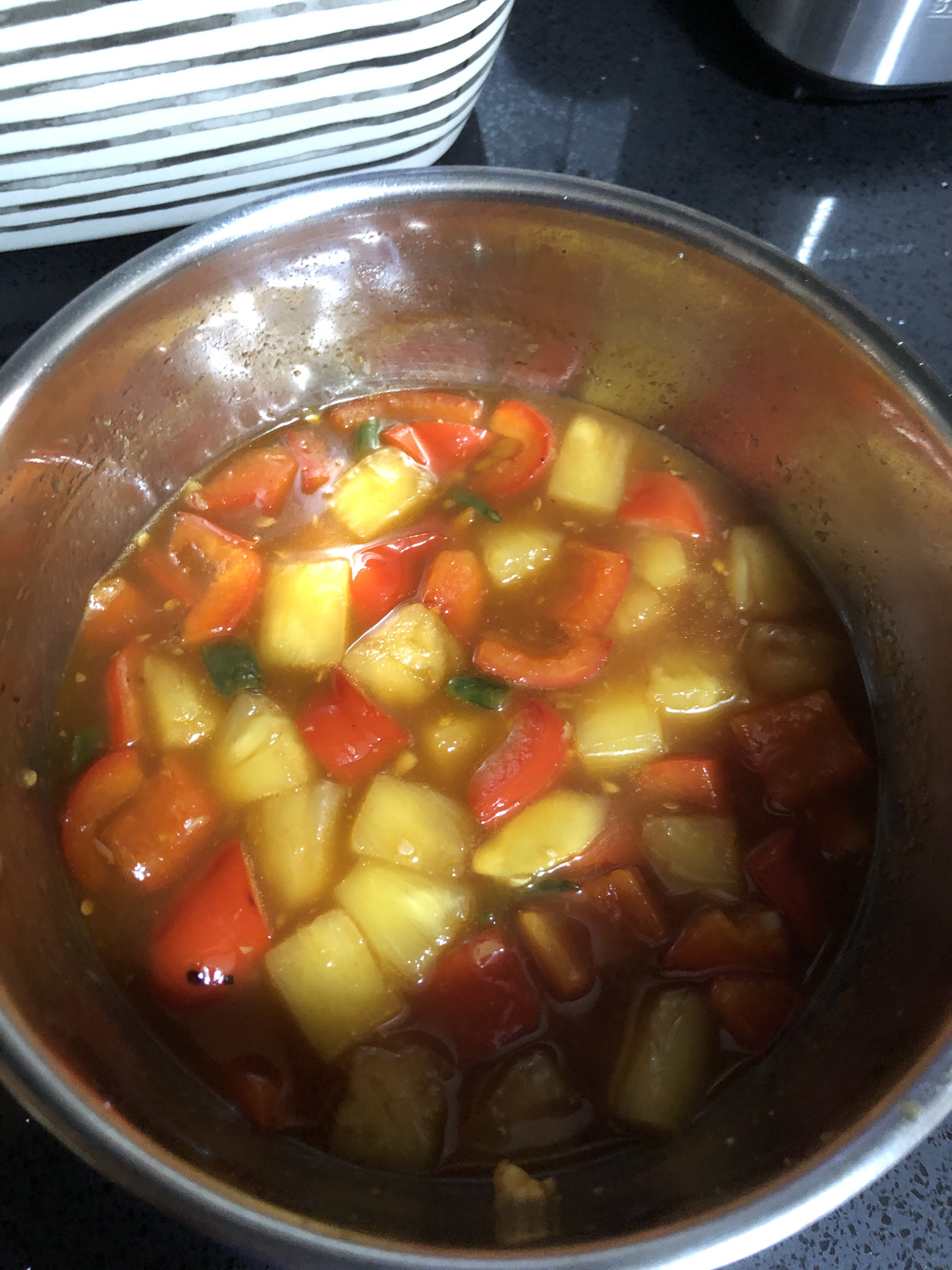
In a saucepan, add a bit of oil and sesame oil then sauté minced garlic. Add sliced ginger (I used about 6 small pieces) and then diced capsicums. You should add cubes onion pieces too but in my household nobody eats onions so I had to omit that. Then add freshly cubes pineapple pieces. Marion said you’ve got to use fresh. I had no choice but to use canned. She was right, fresh is better. I also added one finely chopped green chilli padi, or bird eye’s chilli.

For the saucy bit, add a bit of water (enough to cover the vegetables), then four tablespoons of brown sugar, one teaspoon of tamarind paste, one tablespoon of soy sauce and a splash of lemon juice. You should add a bit of Chinese five spice powder but I had forgotten that. I added as well one tablespoon of Heinz All Natural ketchup.

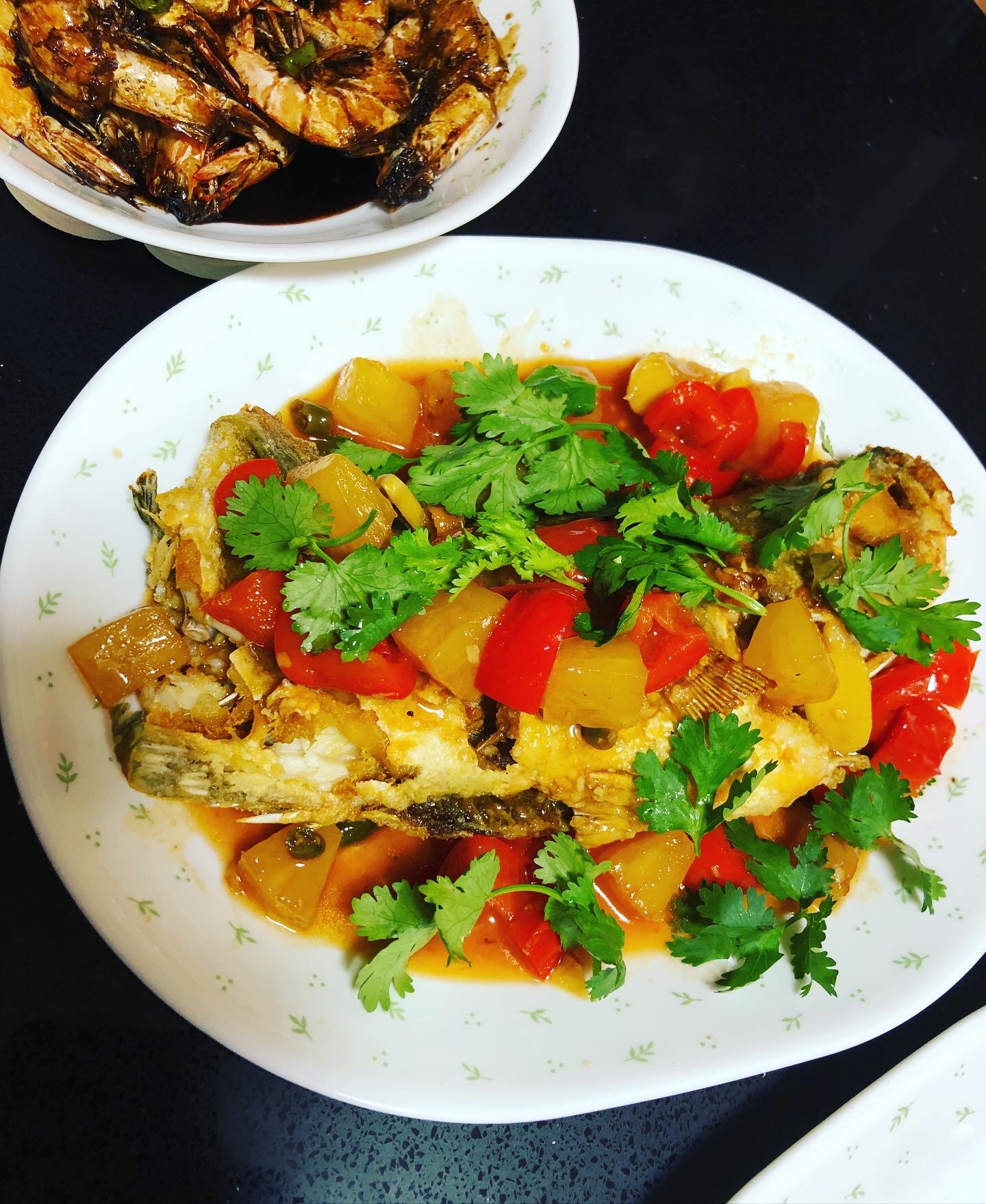
And then that’s I! Voila! Sprinkle with lots of fresh coriander and you’ve got yourself a delicious meal that would really cost much more in restaurants (despite my complaints of pricey fish during CNY period).

I had made a simple soy sauce fried sea prawns to go with the fish as well. Hence that plate of prawns in the background.

Try it but be prepared to do lots of cleaning up too! Frying fish and seafood is a lot of mess. 😅

Asian Dishes, Noodles and Pasta, Singapore

Char Kway Teow

Char kway teow is soooo famous in Singapore and Malaysia. It’s got to be cooked in a Super hot wok so you could have that Smokey flavour or what the locals call ‘wok hei’ – the breath of the wok. And for the chinese, it is cooked in lard and lots of chinese pork sausages.

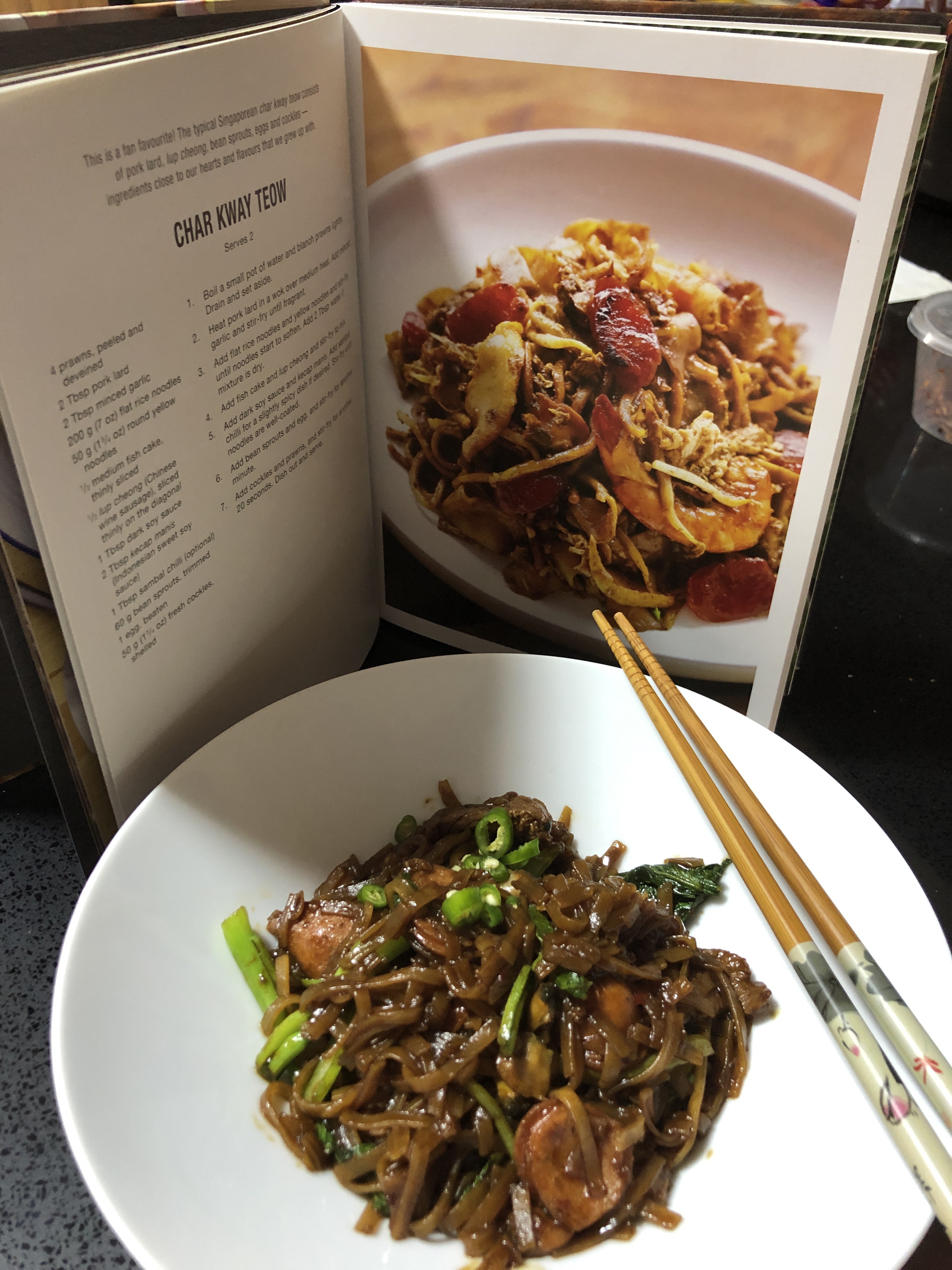
My ex-colleagues got me a trinity of books by The Meat Men, a local group of youtubers who have their own cooking channel. I tried making it at home, and it was ok. I had to omit the lard but at home the main problem is getting that wok hei flavour. You’ve got to use a Super hot cast iron or metal wok to get the same effect. Non-stick will not do.

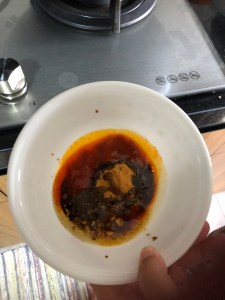
I followed this recipe for the sauce closely and I must say, it works! The kway Teow turned out sweet and it was good enough. I’ll be trying to make this again soon but for this initial version, here’s how I did it.

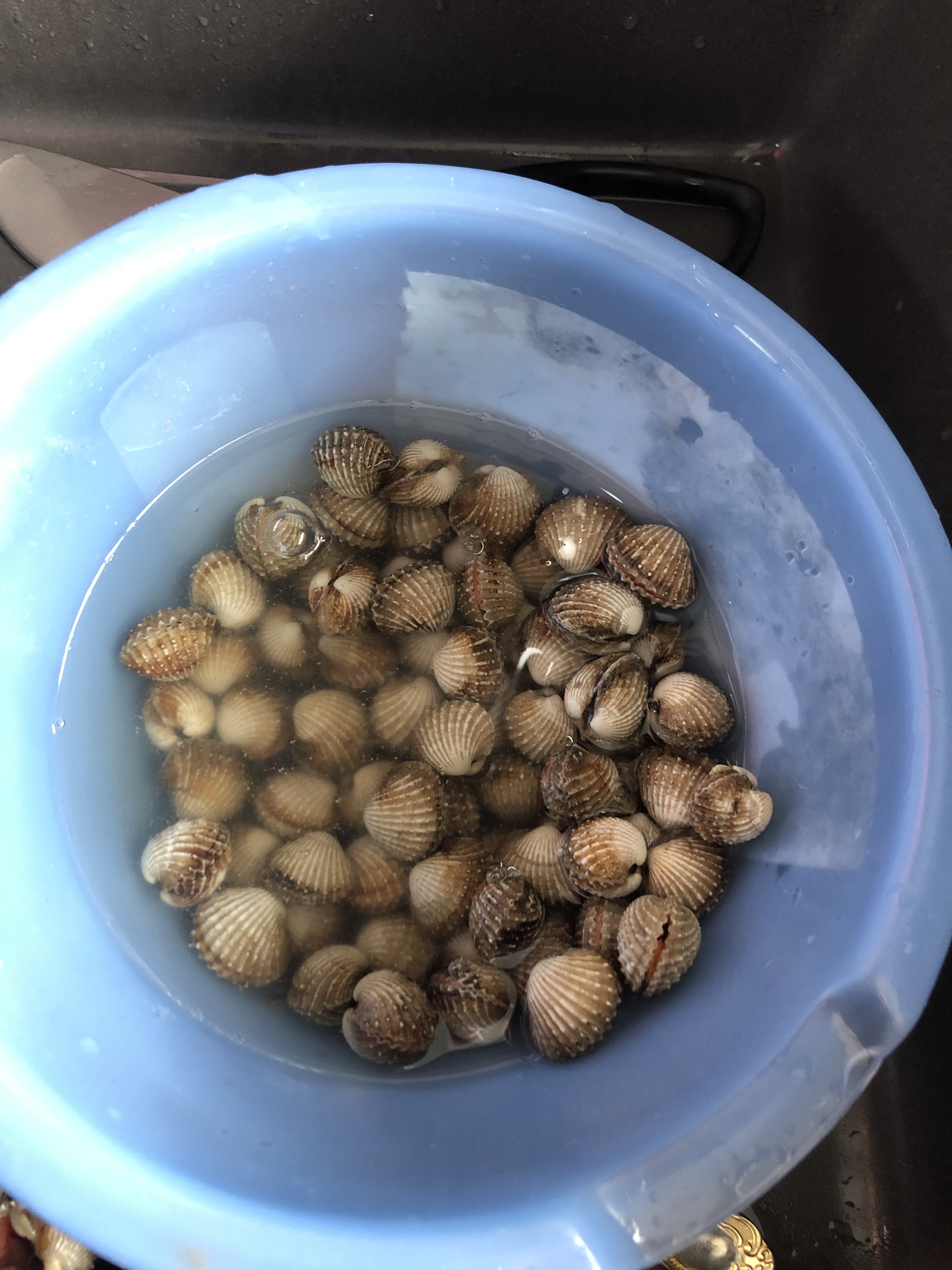
First, buy some cockles, wash clean and take out the meat.

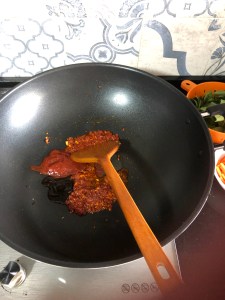
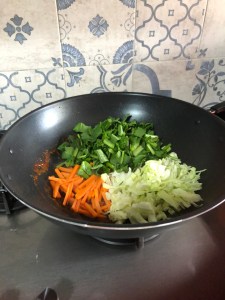
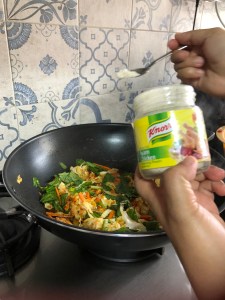
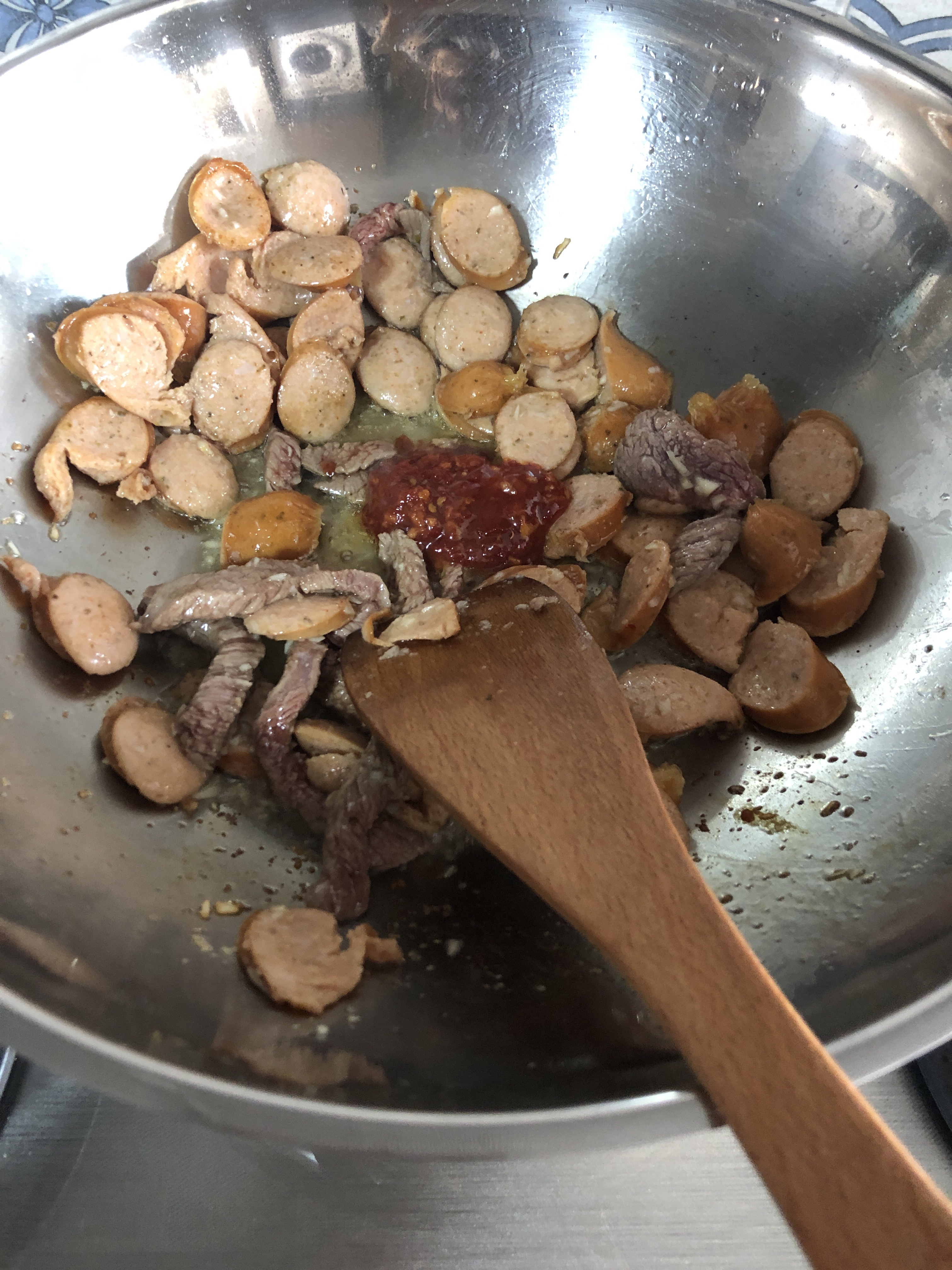
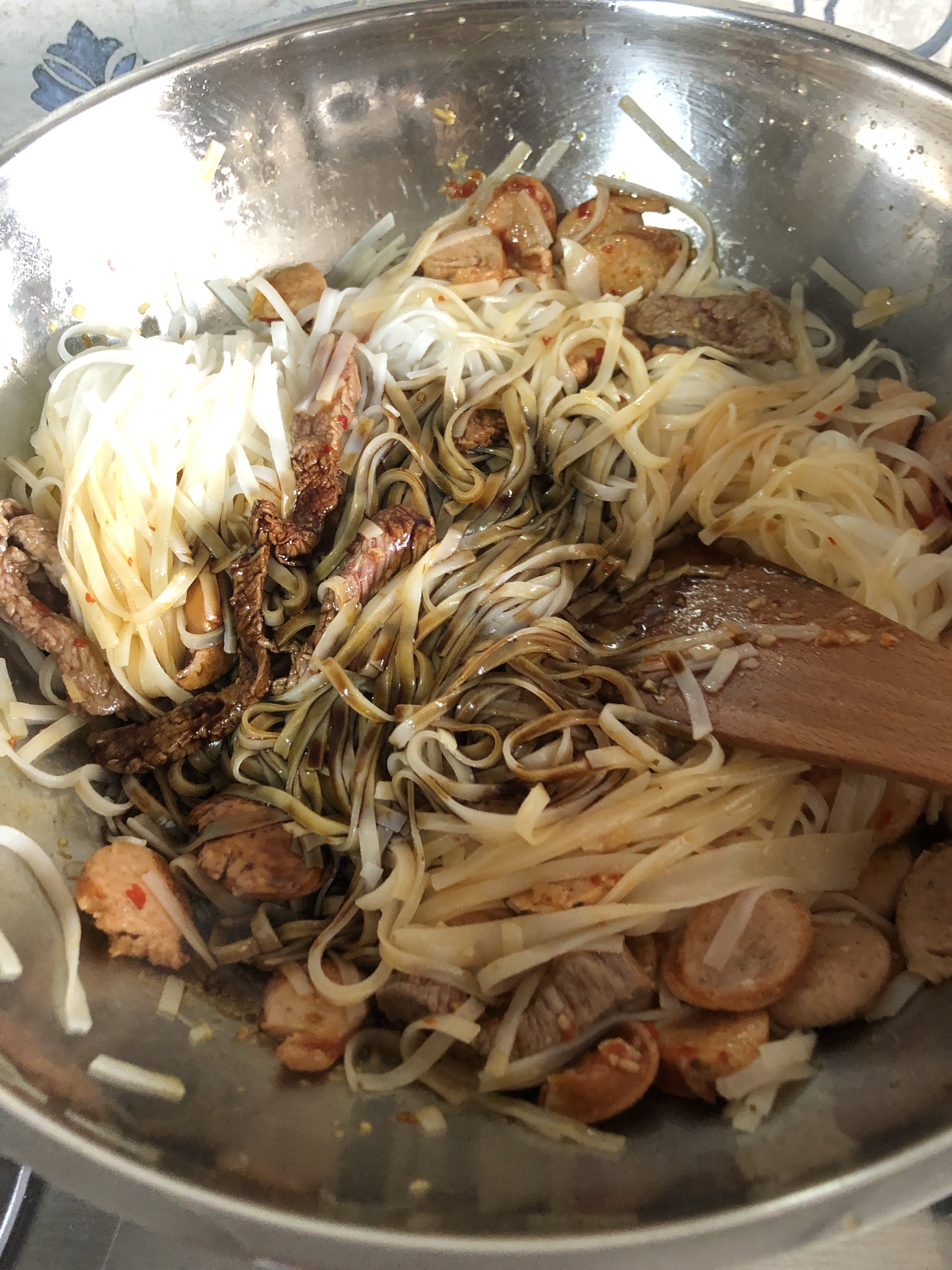
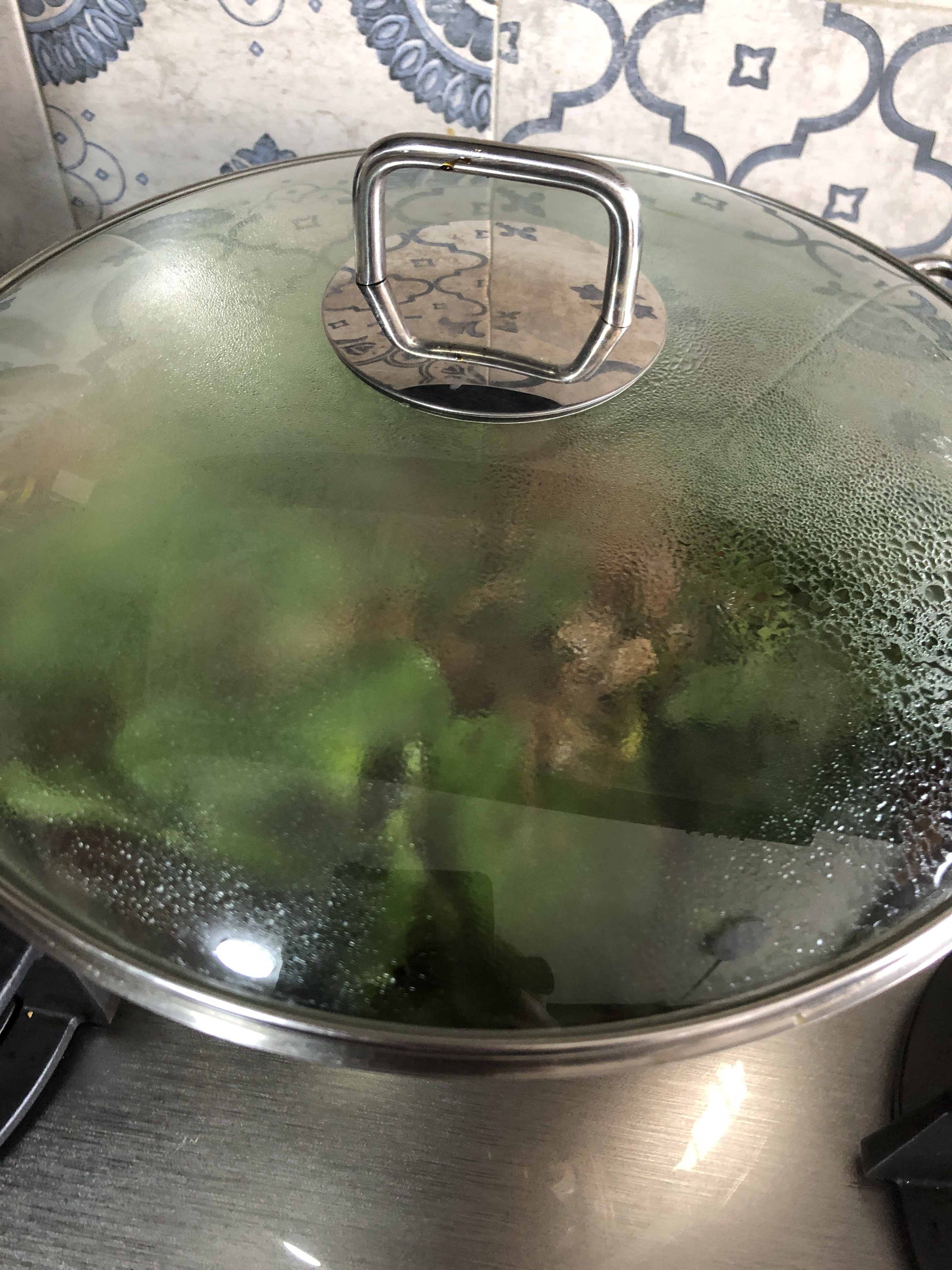
In a hot work, add oil and then your meat, sausages, chopped garlic. Add a dollop of chilli paste. Stir fry. Then add noodles. I used my leftover pad Thai noodles but the fresh broader Chinese rice noodles will be better. Add the sauce and stir fry. Lastly, add cockles and vegetables, cover to wilt then stir fry again till cooked.

The recipe called for eggs and prawn but since I had neither that day, I omitted.

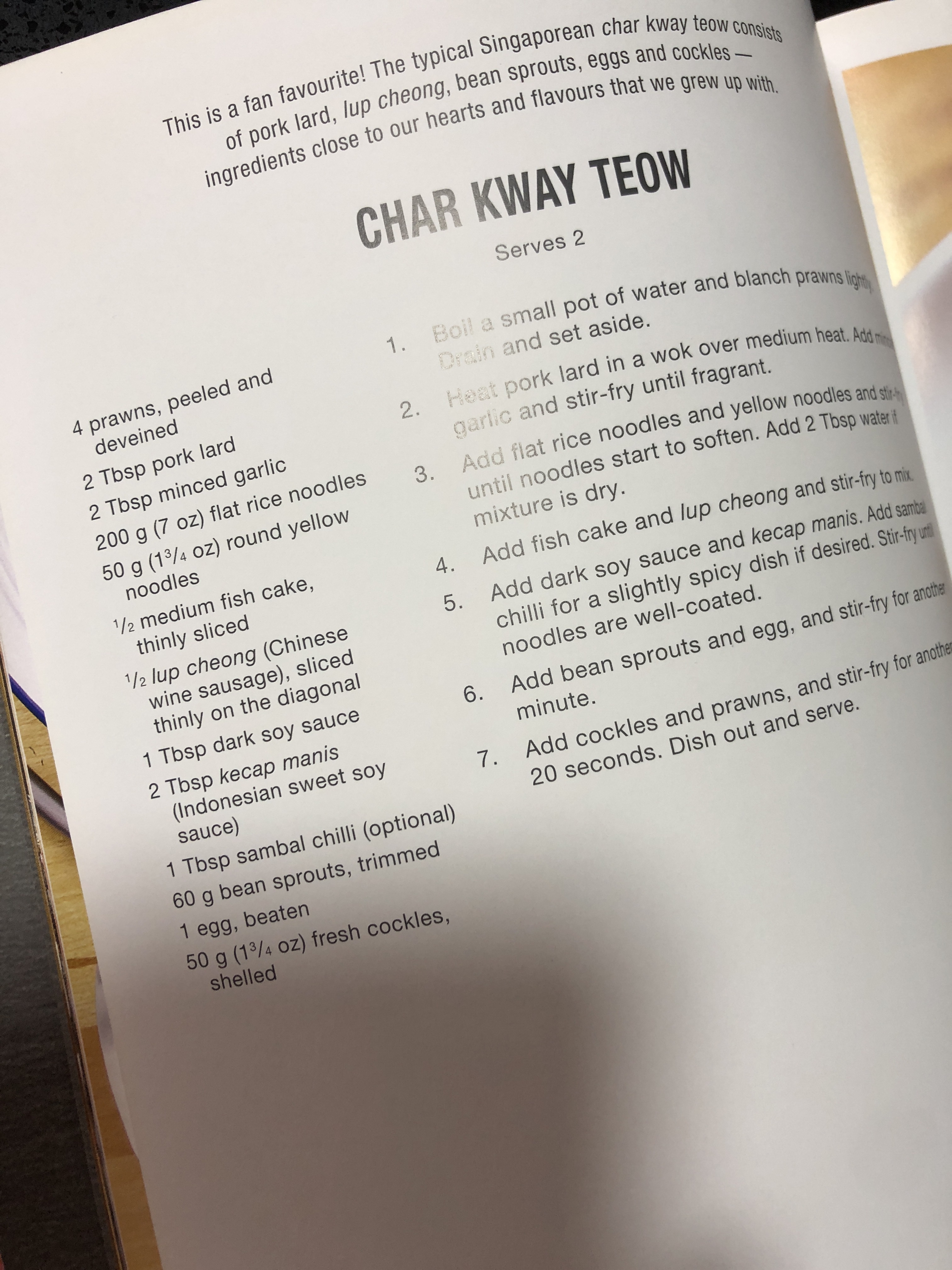
Here’s the full recipe from the book to try: