Asian Dishes, Malay, Poultry

Easy Everyday Fried Chicken

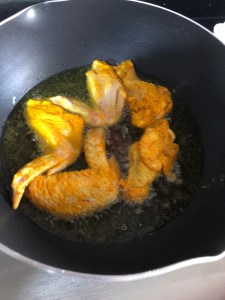
This is a very common way to marinade chicken or even fish at home or hawker stalls. It’s quick and tasty and the fried chicken or fish will taste good even on its own without rice.

Simply add powdered turmeric and salt to the protein of choice and voila. That’s it. In Malay it’s simply called ‘garam kunyit’ – garam meaning salt and kunyit means turmeric.

But to make it crunchier, add a bit of corn flour. And for spicier, a little bit of hot chilli powder or cayenne.
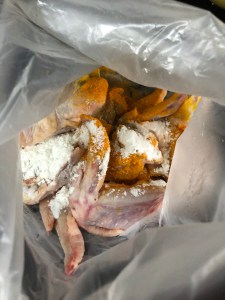
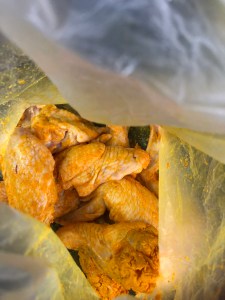
It’s a staple in Malay homes with children because that’s all there is to it for these little kids’ lunch. Rice and fried chicken or fish. And that’ll keep them full after they come back from school. Be careful though not to add too much of turmeric powder. When I first got married and started cooking, I added too much and the smell of turmeric was overwhelming. About one or two tablespoons, depending on the amount of chicken you have will suffice.

Try it. It’ll be a new spin to KFC like chicken at home.
Asian Dishes, Malay, Meat, Noodles and Pasta

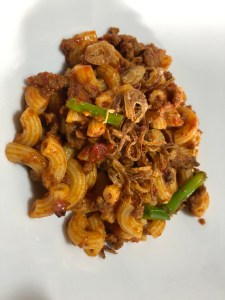
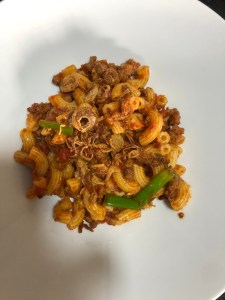
Macaroni Goreng(Fried Macaroni)

This is my ultimate comfort food. And it’s so easy to make…now. I think I posted this many years ago when I started this food blog for my daughter but now that I’ve grown older and wiser, I’ve discovered shortcuts.

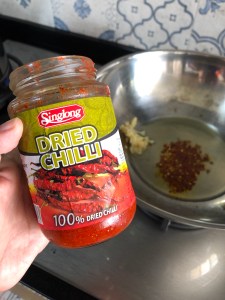
The chilli paste in many Malay home cooking is a blend of dried chillies, onions and garlic. But I’ve discovered bottled ground chillies. It doesn’t have the onions but it doesn’t matter anyway.

This is how I cooked my delicious comforting lunch. It’s spicy and tangy, and that’s how I love it.

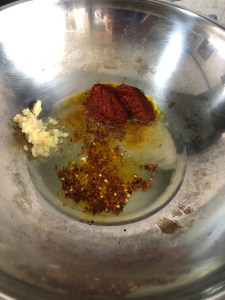
In plenty of oil (I used olive oil) cook till the oil separates one heaped teaspoon of chopped garlic, and 1-2 tbsp of ground chilli from the bottle. If you don’t have this, then it won’t taste as good but you can substitute with a bit more of ground chilli flakes. Here, I added a packed of chilli flakes so that I could have more colour.

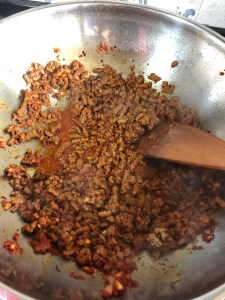
Then add minced beef. Here, I have 300g of minced beef.

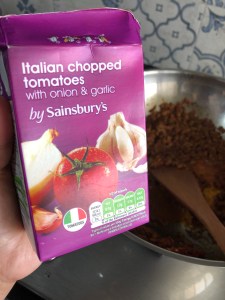
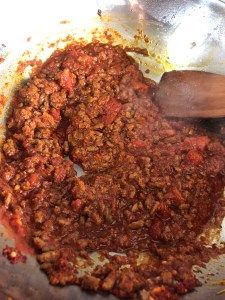
Make sure the meat is well cooked. Then add a packet of chopped tomatoes. I like these form Sainbury’s. Add one heaped tablespoon of ground cumin, 2 Teaspoons of sugar and salt to taste.

Let the mixture simmer nicely till the oil is really bright red and everything looks soft and unctuous.

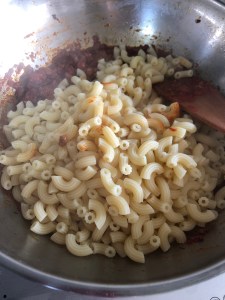
Then add cooked macaroni.

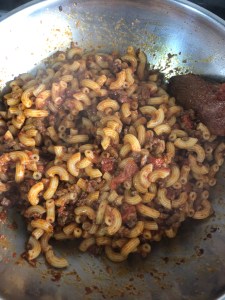
Mix macaroni well with the sauce. Taste and add more salt if needed.

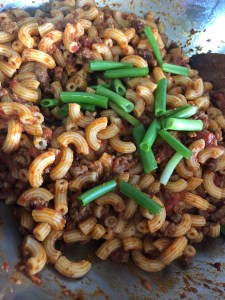
Sprinkle with spring onions cut to fairly large pieces.

Then serve with a sprinkling of fried shallots. Yummy!

Asian Dishes, Noodles and Pasta, Singapore

Char Kway Teow

Char kway teow is soooo famous in Singapore and Malaysia. It’s got to be cooked in a Super hot wok so you could have that Smokey flavour or what the locals call ‘wok hei’ – the breath of the wok. And for the chinese, it is cooked in lard and lots of chinese pork sausages.

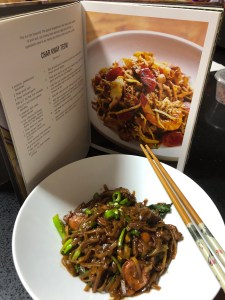
My ex-colleagues got me a trinity of books by The Meat Men, a local group of youtubers who have their own cooking channel. I tried making it at home, and it was ok. I had to omit the lard but at home the main problem is getting that wok hei flavour. You’ve got to use a Super hot cast iron or metal wok to get the same effect. Non-stick will not do.

I followed this recipe for the sauce closely and I must say, it works! The kway Teow turned out sweet and it was good enough. I’ll be trying to make this again soon but for this initial version, here’s how I did it.

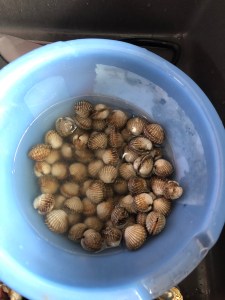
First, buy some cockles, wash clean and take out the meat.

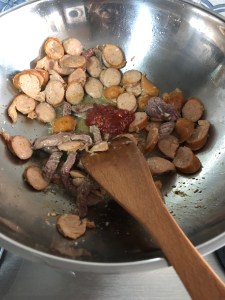
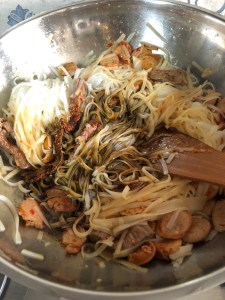
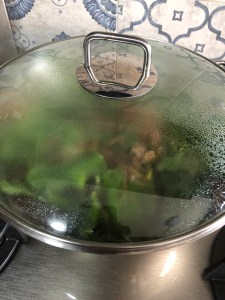
In a hot work, add oil and then your meat, sausages, chopped garlic. Add a dollop of chilli paste. Stir fry. Then add noodles. I used my leftover pad Thai noodles but the fresh broader Chinese rice noodles will be better. Add the sauce and stir fry. Lastly, add cockles and vegetables, cover to wilt then stir fry again till cooked.

The recipe called for eggs and prawn but since I had neither that day, I omitted.

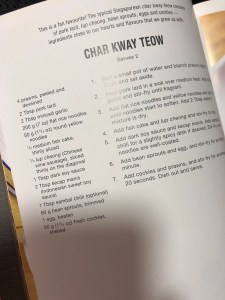
Here’s the full recipe from the book to try:

Asian Dishes, Japanese/Korean, Meat, Rice, Snack

Gimbap

Today’s light lunch of Korean gimbap. Easy to make and easy to eat!

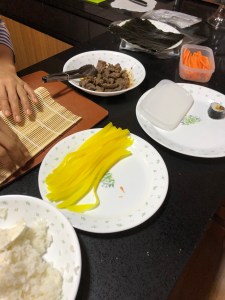
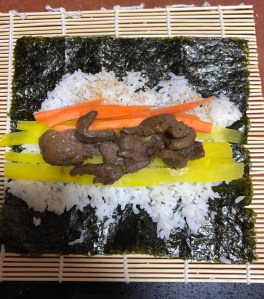
First, prepare short grain Japanese rice. Pickled daikon strips, carrot strips and fried beef slices that had been marinated with soy sauce.

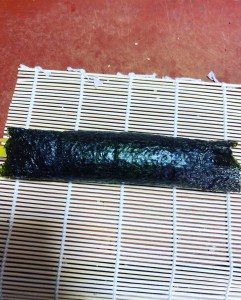
Place seaweed onto a rolling bamboo mat with rice and all the other ingredients. Then roll tight.

Once rolled, brush with a light layer of sesame oil.

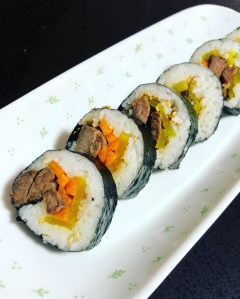
With a sharp knife, cut into slices and enjoy! This was really good on a hot weekend. I’ll be making this for work lunches soon!

Asian Dishes, Malay, Seafood

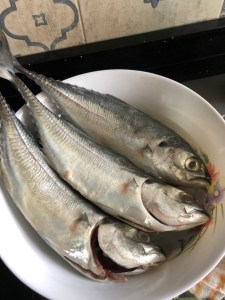
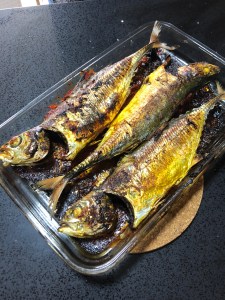
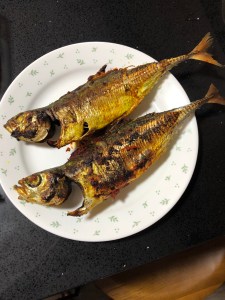
Cencaru Bakar Sambal (Baked Scadfish in Sambal)

There’s a firm favourite fish amongst the Malays from the ladies side. Most men I know do not like this fish. It has quite a strong smell but once cooked, it’s delicious. It has a firm flesh, the skin a bit tough so you can’t eat the crispy skin. You’ve got to peel the out skin first after cooking to enjoy the firm sweet meaty flesh.

In Malay, this fish is called cencaru and even the local fishmongers know that it’s well liked by the Malays and not so by the other races. If not why would he tempt me by calling out just as I was walking or if the supermarket, ‘Ikan cencaru nak tak?’ (Do you want this cencaru fish?’ Haven’t eaten this fish in years, I caved and walked back to him, and before I knew it, I had three fish in my hand.

It’s best eaten fried or baked with sambal or soy sauce chilli padi dip. I made the first version, or rather got the Helper to do so for me.

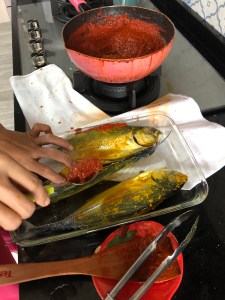
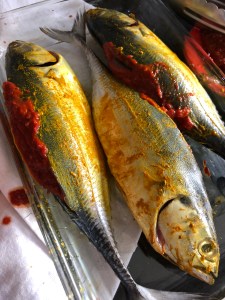
We first made the sambal paste together and cooked the sambal through. After that, slit the top part of the fish and stuff as much sambal as you can. Before this, we seasoned the fish with salt and ground turmeric. And then bake. My kitchen smelled of fish! But afterwards, when the fish was done and the house smelled normal again, we both enjoyed eating the fish with hot plain rice. It’s a kampong favourite and us so modern in our sanitized public apartments have forgotten to appreciate the foods of the past.

Sambal paste

1. blend soft already boiled down dried chillies (about 20 pieces) with three onions and four cloves of garlic till very fine.

2. Fry over medium heat till cooked.

3. Add a bit of tamarind paste, salt and sugar to taste. The sambal should be sweet and tangy.