Asian Dishes, Malay, Meat

Rawon

When I first started this food blog ten years ago in 2010, it was to have a space to store all my recipes with pictures so my daughter and son could cook some of my favourite and eventually I’m hoping their favourite dishes too.

But work has always kept me from doing this up properly. Being a working mom is no joke. But the kids are now teens (or one of them is a tween) and I’m now officially under lockdown or over here it’s called a Circut Breaker (CB) (and for Westerners who can’t understand all the snickering and inside jokes whenever you see or hear CB uttered by us, go find out why 😂) I can finally cook more and record my recipes.

Today, I finally finally learned how to cook this classic Indonesian specialty that is much loved by Singapore Malays too. I don’t see this dish in Malaysia often. I wonder why. Maybe we Singaporeans are nearer to Indonesia? Anyway, I grew up eating this dish. And so did my husband’s family. Last weekend the mother in law cooked it and today, I saw my mom cook it.

Rawon is made using this poisonous black Nut called keluak. It is sold raw which the Peranakans cook whole in their dishes such as Ayam Buah Keluak (chicken in Keluak nut) it Babi Buah Keluak (pork in Keluak nut). The Malays/Javanese do not cook it whole.

Rawon is made from blending the processed safe to eat Keluak fruit with onions, ground dried chillies, garlic, and ginger. A thick paste is formed.

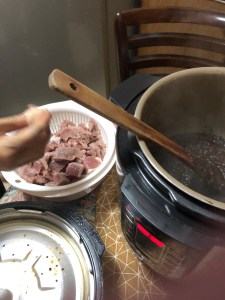
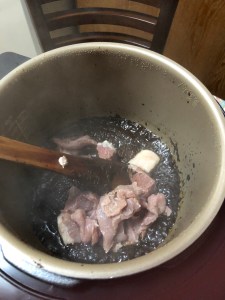
It is then sautéed and then beef brisket is boiled in the sautéed mixture. My mom used a pressure cooker for this. It’s fast and convenient.
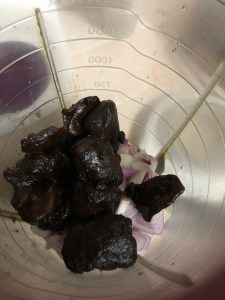
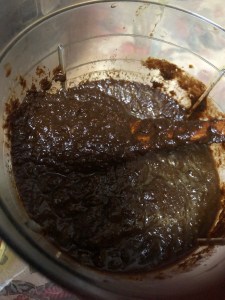
The Keluak nut in a blender with onions. Later, we added the ground chilli paste, garlic and ginger slices.

Recipe (all approximations as with Malay/Asian cooking):

For the blended ingredients:

  • 2-3 medium sized 🧅
  • 2-3 cloves of garlic
  • 4 huge tablespoons of blended dried chillies (they sell ready made ones here but you can blend them yourself. Dried red chillies boiled full soft. Remove seeds. Blend till fine)
  • About an inch of fresh ginger
  • A packet of food ready made buah Keluak (this I am very sure you cannot get outside our region. For sure. But it’s something new to learn if you’ve never heard of it before!)

Method

  • Fry the blended ingredients in oil till fragrant and some oil separates from the mixtyre
  • Add 2 pieces of crushed lemon grass and 3 slices of galangal
  • Add the cubes beef brisket
  • if using the pressure cooker, then cover and pressure cook for 30 min
  • If not, add water to the beef and sautéed blended ingredients and boil till meat is tender
  • Once meat is tender, season with salt
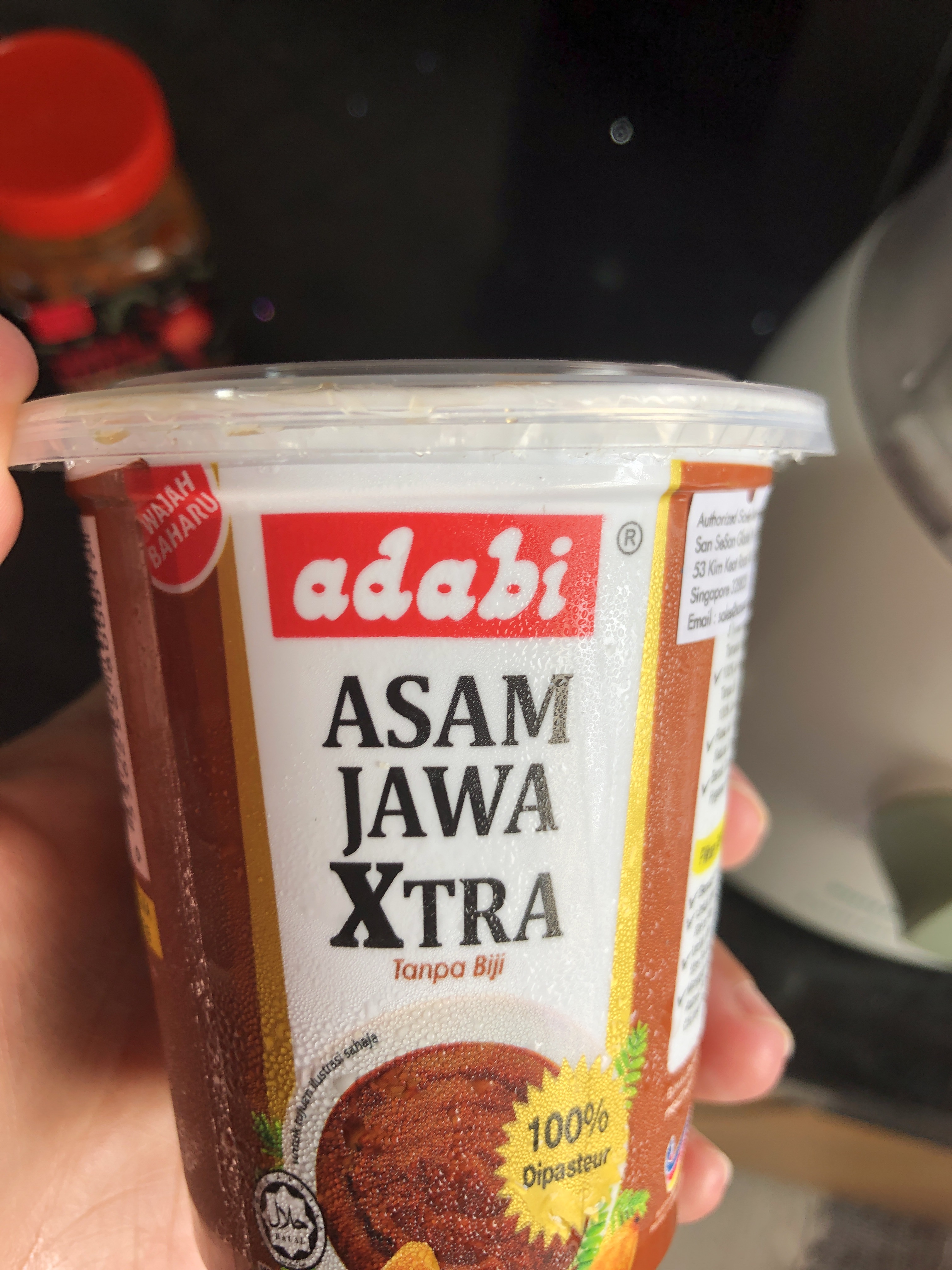
  • Add two pieces of Assam gelugur (tamarind pieces) and one tablespoon of tamarind paste
  • Add fresh kaffir lime leaves and Bay leaves
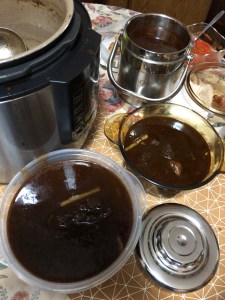
  • If you’re using pressure cooker, there’ll be plenty of liquid. See if it’s sufficient for your liking.
  • Season again with salt
  • Some people add slices of Long beans and tomato wedges (like my mom). My MIL does not.
  • Add more water if you like more gravy and a thinner consistency

How to serve

Rawon here is served with other important accompaniments. They include:

  • Bergedil (fried potato patties)
  • Paru (marinated fried beef lungs)
  • Tempeh (fried tempeh)
  • Sambal belacan (fermented fish paste chilli)
  • Tahu (fried tofu)

Here is a plate of Rawon from when I visited my MIL. Her version and my mom’s are not far off at all. Both are tasty and delicious!
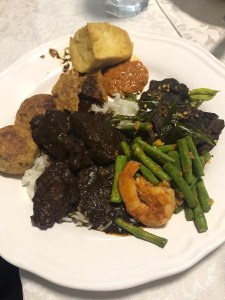
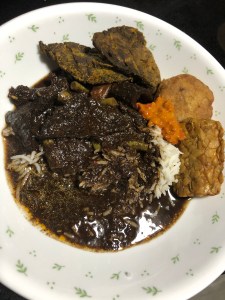
This is my plate from Mom’s version. I like it with loads of gravy. There’s the fried beef lung on the TOP left, the bergedil (potato patty) and tempeh. And a dolly of sambal belacan (fermented shrimp chilli ‘sauce’)

I’m keeping this recipe here so I can make it myself in future. The important thing is to buy the Keluak from a reliable seller who knows how to process this fruit well so it’s not that bitter but must importantly not poisonous!
Asian Dishes, Chinese, Seafood, Singapore

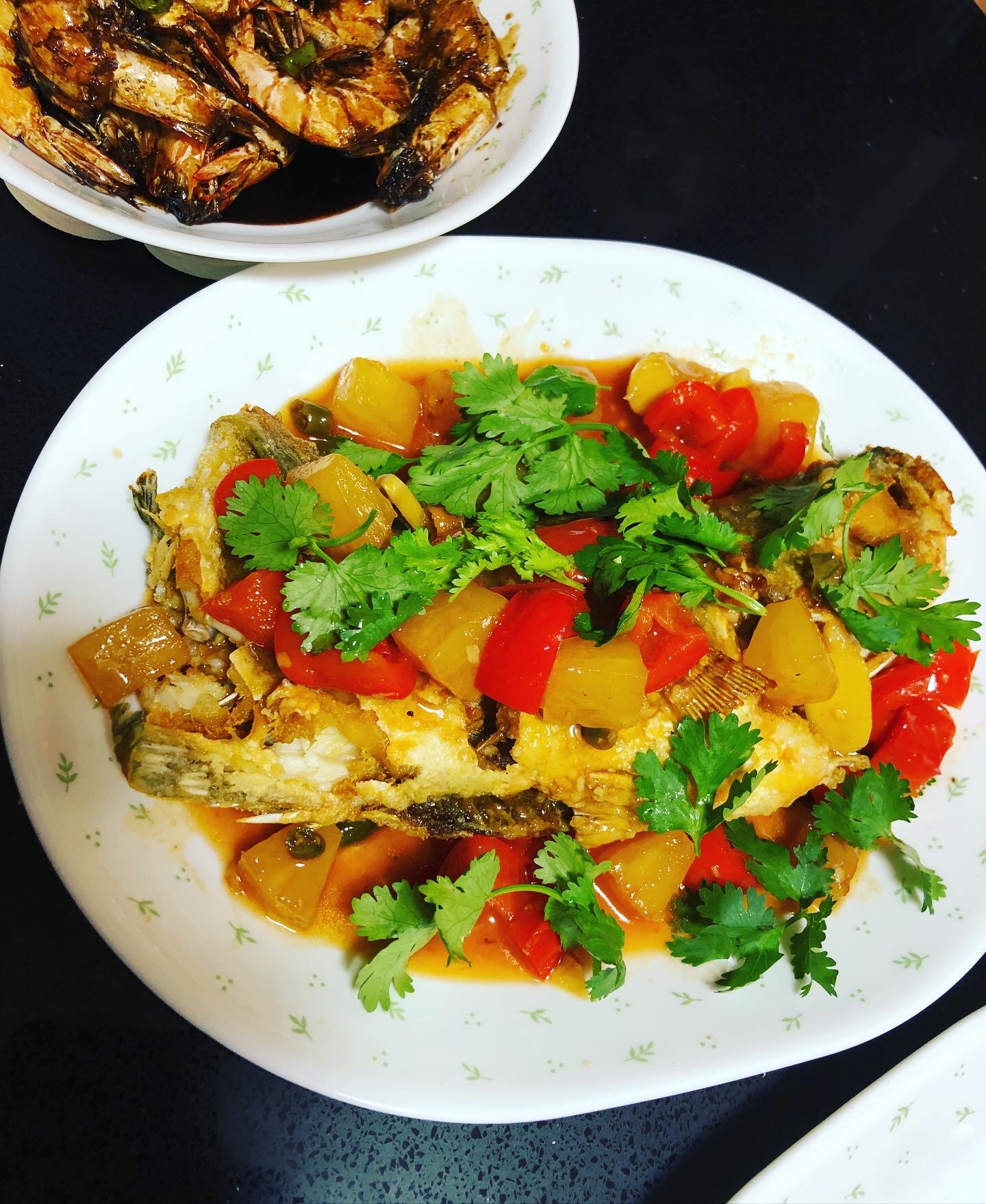
Fried Garoupa with Sweet and Sour Sauce

It’s still Chinese New Year here and hence the price of fish here is exorbitant. Well, generally prices of foods and goods here are crazy high compared to elsewhere but with CNY, it’s worse when it comes to fish. But I forgot. And I had to feed the family. And so I went home with two small pieces of greasy Garoua for $30 SGD. My mom was so shocked when I told her the story.

Which meant that I had to make sure the fish did justice to my pocket! Inspired by Marion (she has like the best YouTube channel ever!), I tried to emulate her fried fish with sweet and sour sauce.

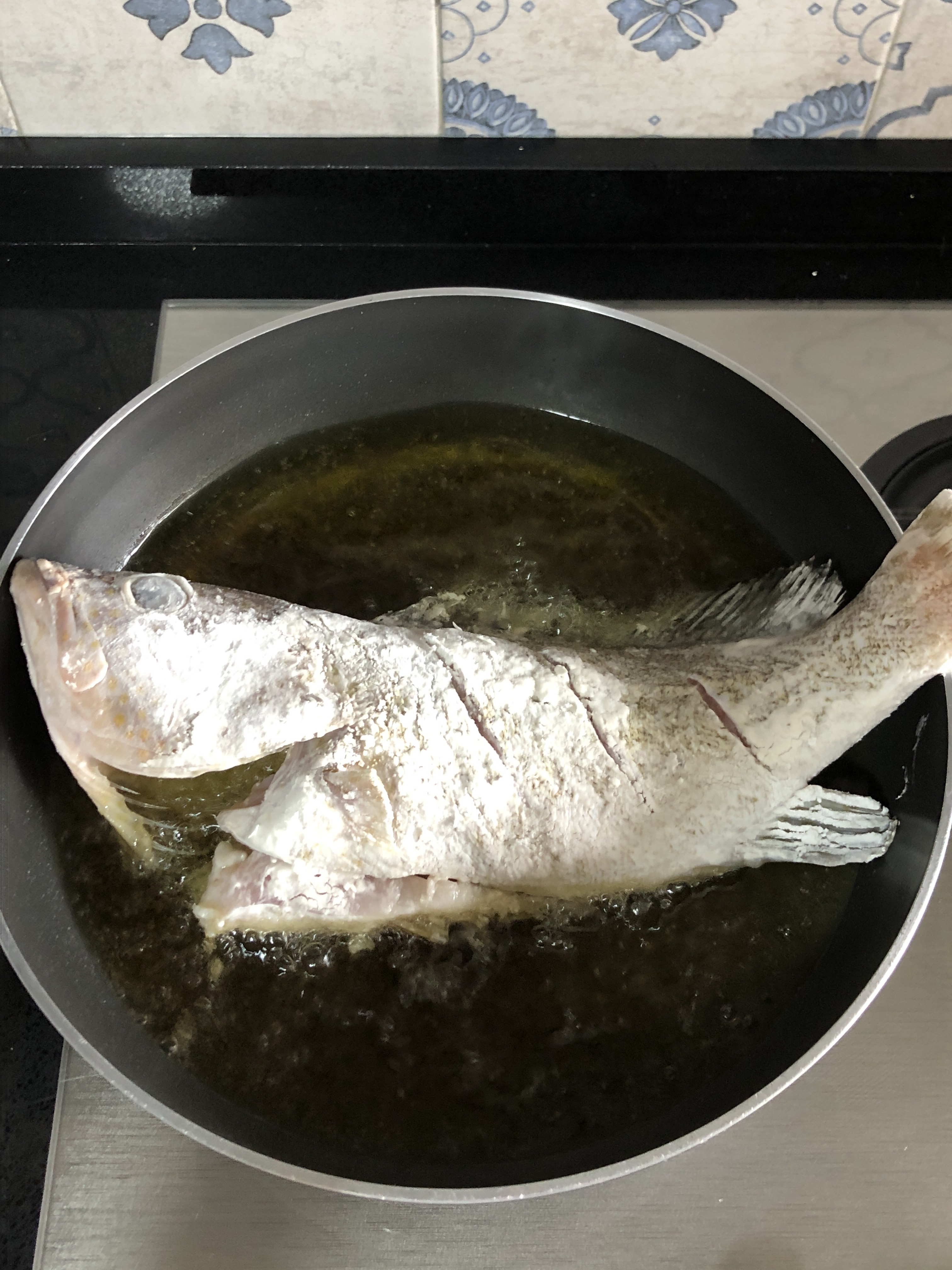
First step. Frying the fish. We all will never have a pan big enough to fry a whole fish. And even though my pricey Garoua were small, I still had that tail overhang and of course while trying to get that part cooked, I killed it. Haha. So I suggest getting a giant wok or getting a smaller fish. Marion’s step to coat it with corn flour first works.

So there’s the fish, coated with flour )but before that rubbed with some salt) frying away. And while that’s frying, you make the sauce.

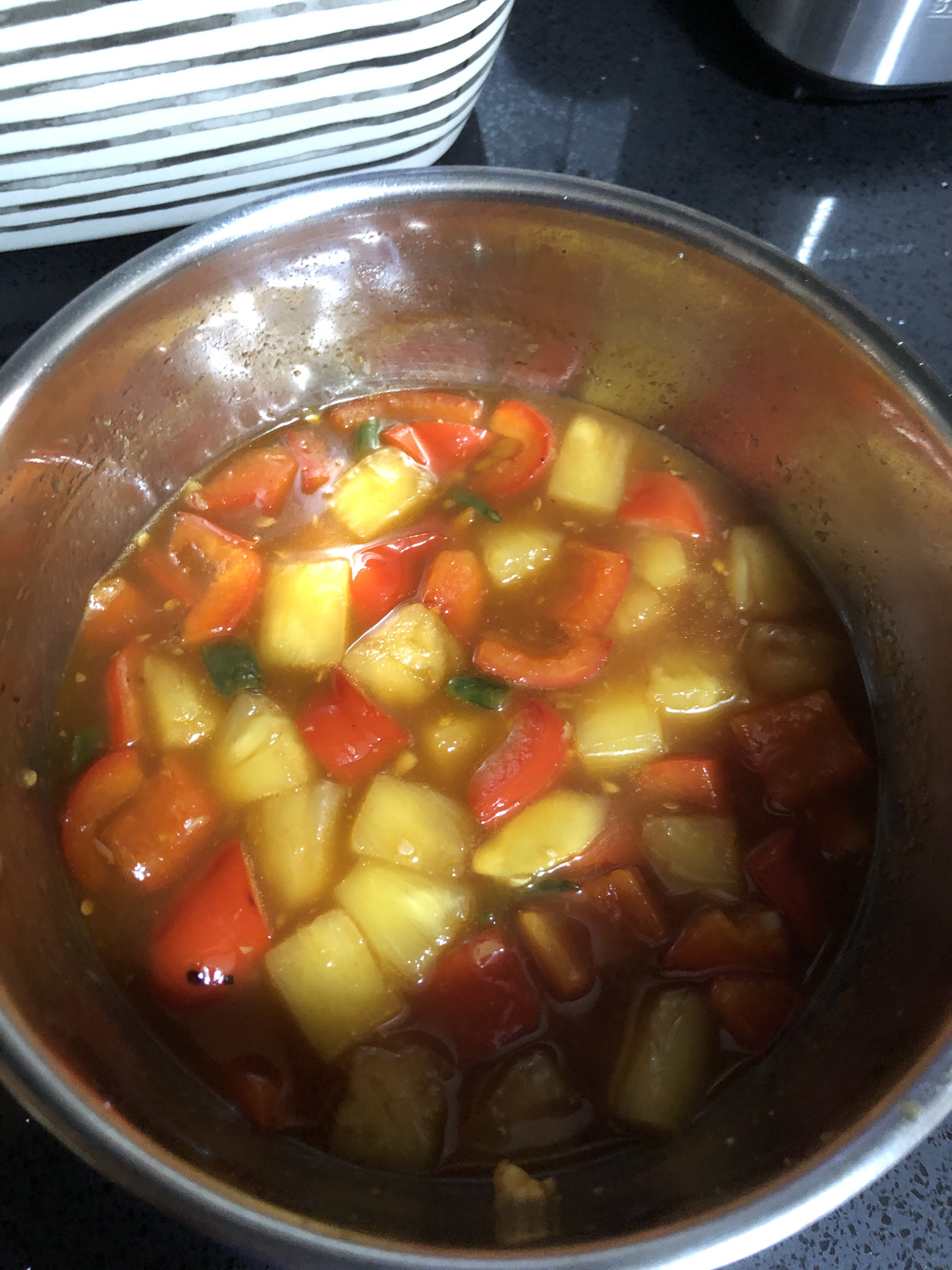
In a saucepan, add a bit of oil and sesame oil then sauté minced garlic. Add sliced ginger (I used about 6 small pieces) and then diced capsicums. You should add cubes onion pieces too but in my household nobody eats onions so I had to omit that. Then add freshly cubes pineapple pieces. Marion said you’ve got to use fresh. I had no choice but to use canned. She was right, fresh is better. I also added one finely chopped green chilli padi, or bird eye’s chilli.

For the saucy bit, add a bit of water (enough to cover the vegetables), then four tablespoons of brown sugar, one teaspoon of tamarind paste, one tablespoon of soy sauce and a splash of lemon juice. You should add a bit of Chinese five spice powder but I had forgotten that. I added as well one tablespoon of Heinz All Natural ketchup.

And then that’s I! Voila! Sprinkle with lots of fresh coriander and you’ve got yourself a delicious meal that would really cost much more in restaurants (despite my complaints of pricey fish during CNY period).

I had made a simple soy sauce fried sea prawns to go with the fish as well. Hence that plate of prawns in the background.

Try it but be prepared to do lots of cleaning up too! Frying fish and seafood is a lot of mess. 😅

Asian Dishes

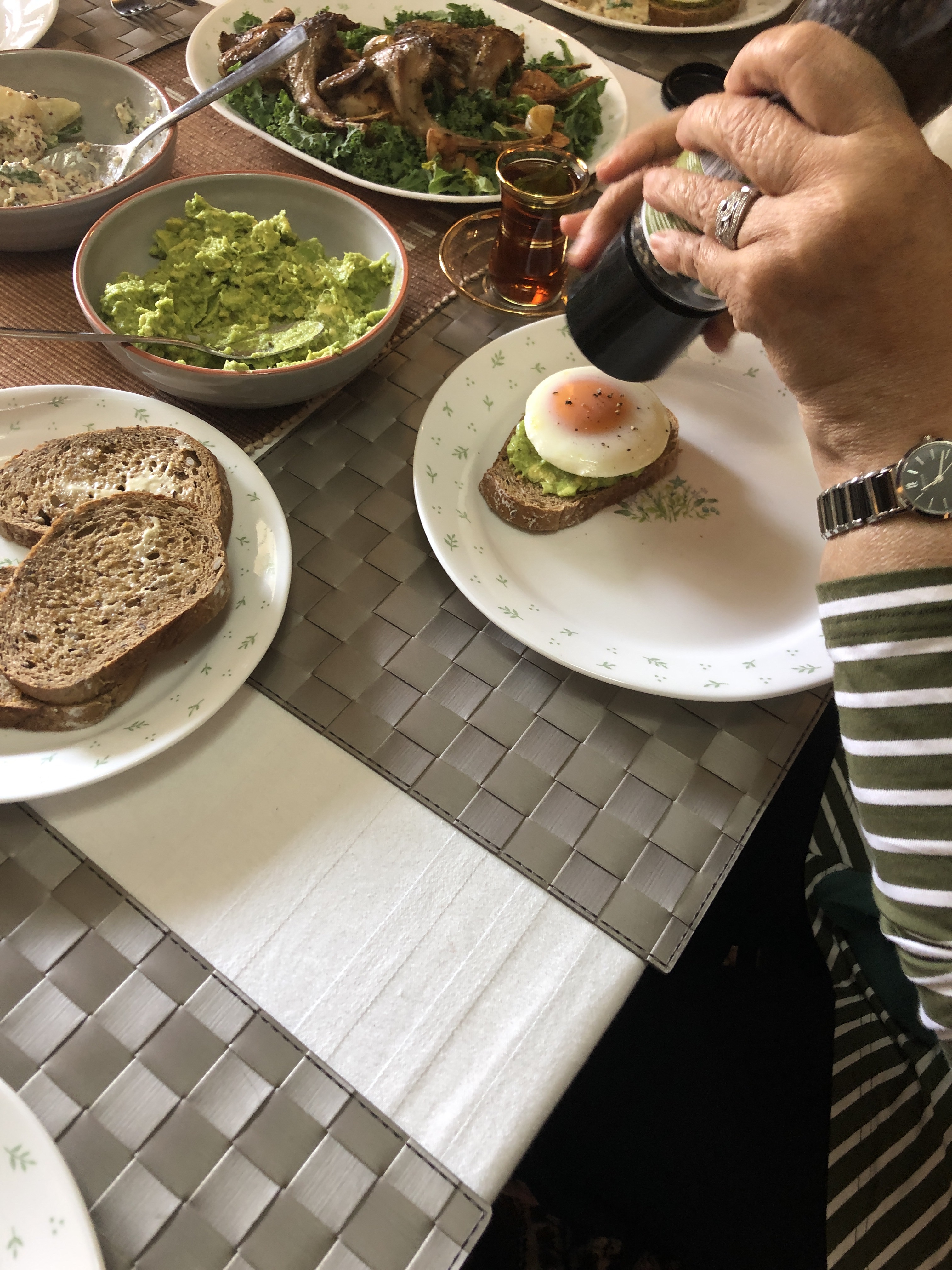
Happy New Year 2020 Menu

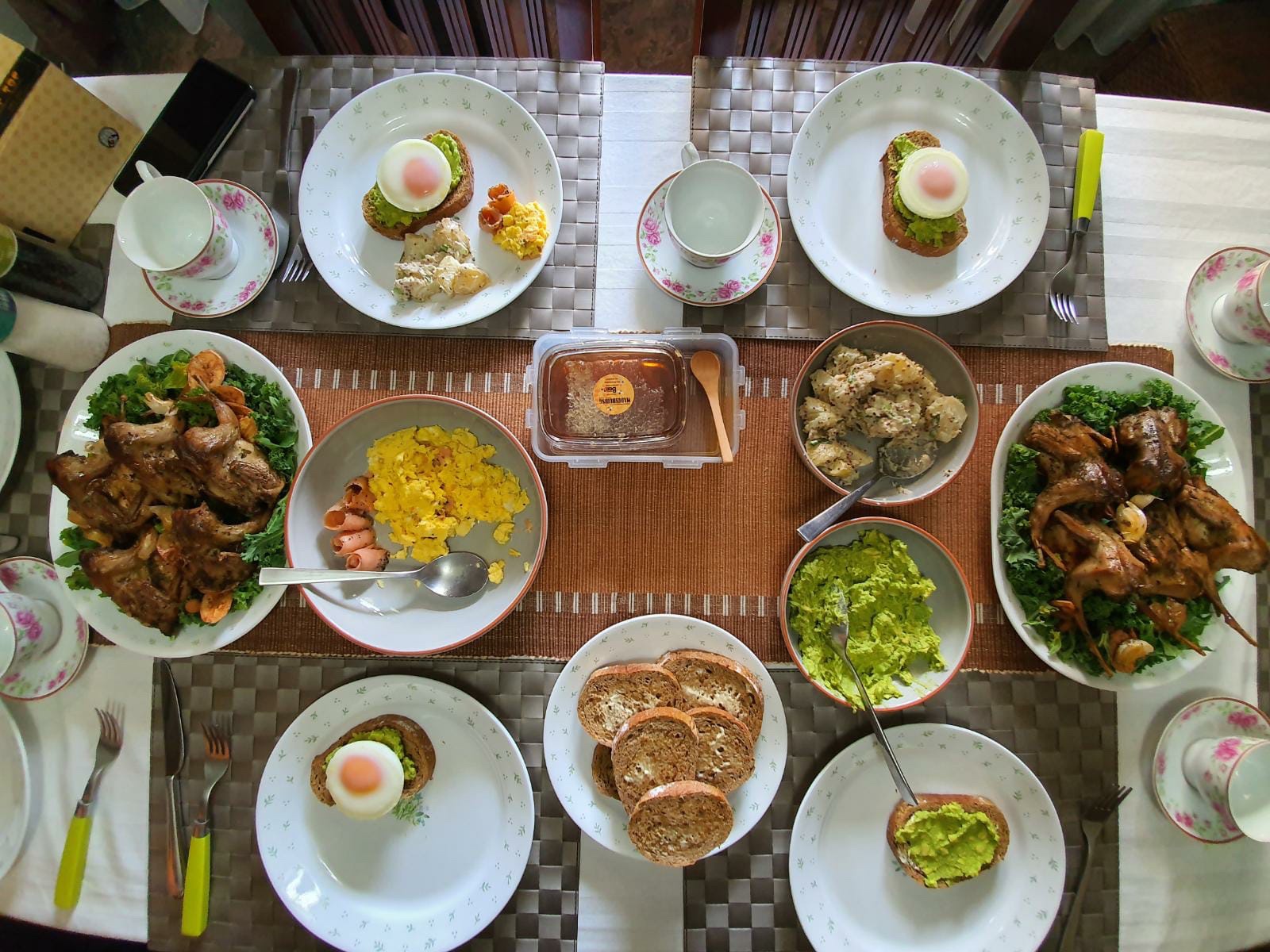
We sail into a new decade today and so I’ve decided to treat the family members to some hearty brunch food.

First up, smashed avocado. Just lightly seasoned with sea salt and black pepper and just a touch of lemon juice.

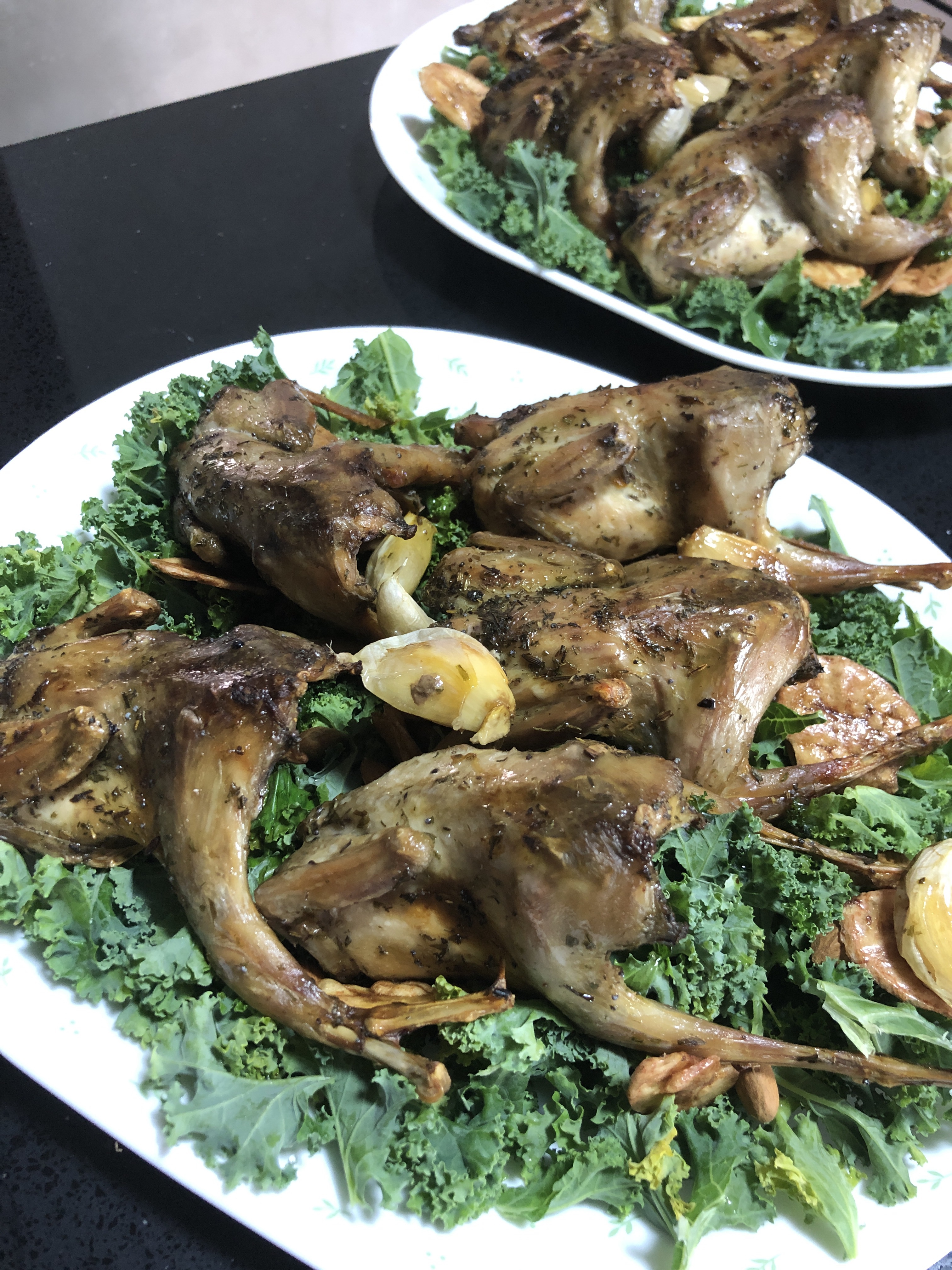
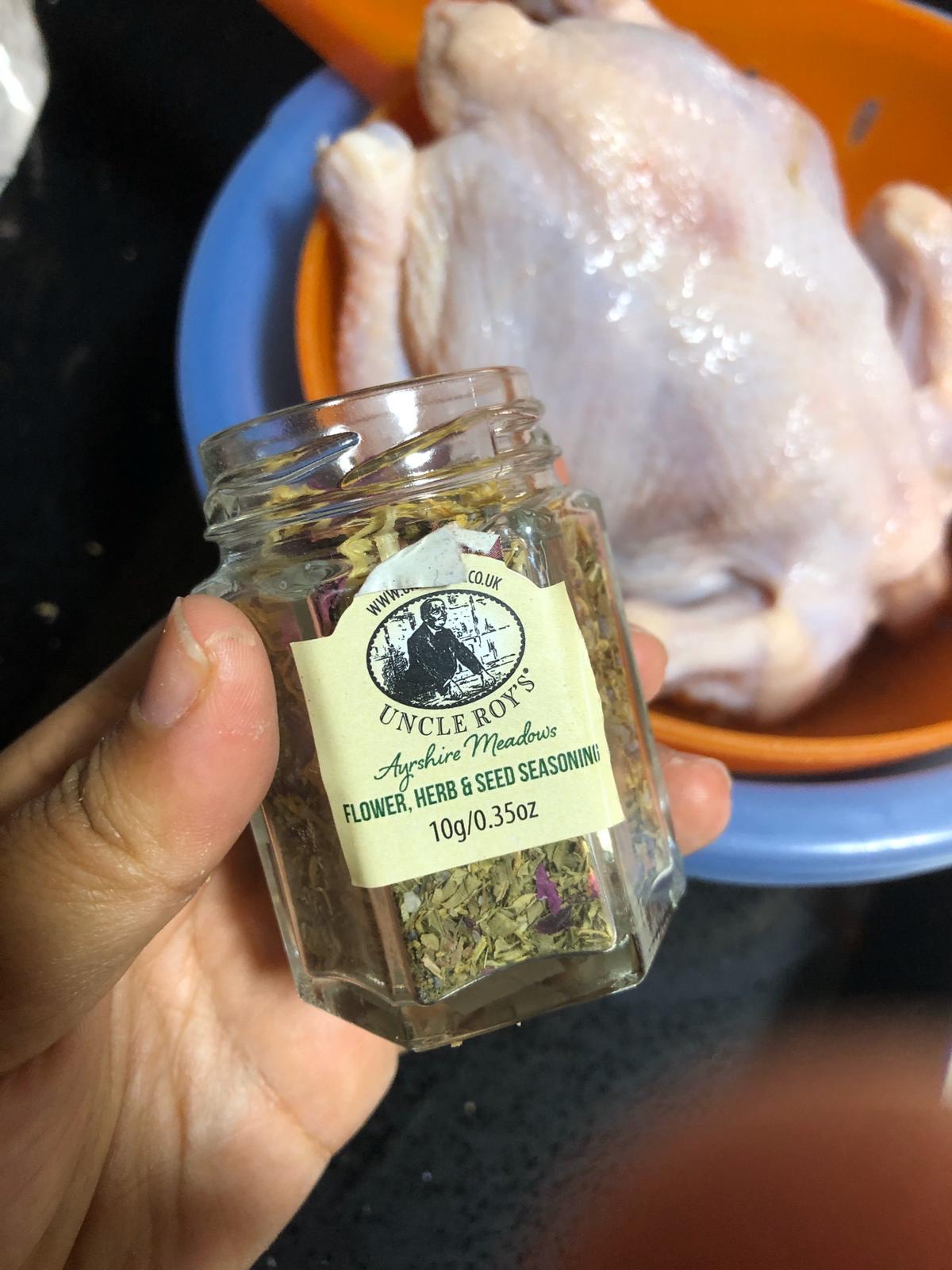
Baked quails! Not quail eggs but the Mama bird itself. Marinated with this spice a friend got for me from Scotland. Serve it with a kale salad.

Mustard potato salad. Simply mix tablespoonfuls of wholegrain mustard with Japanese kewpie mayonnaise, coarsely ground black pepper, salt and a tiny splash of cider vinegar.

Poached eggs. I fail at making them using a saucepan so I had to use the poachmaker. But delicious nonetheless.

To a brand new year with more cooking go relax the mind and nourish the soul.

Asian Dishes, Malay, Rice

Nasi Lemak Rice

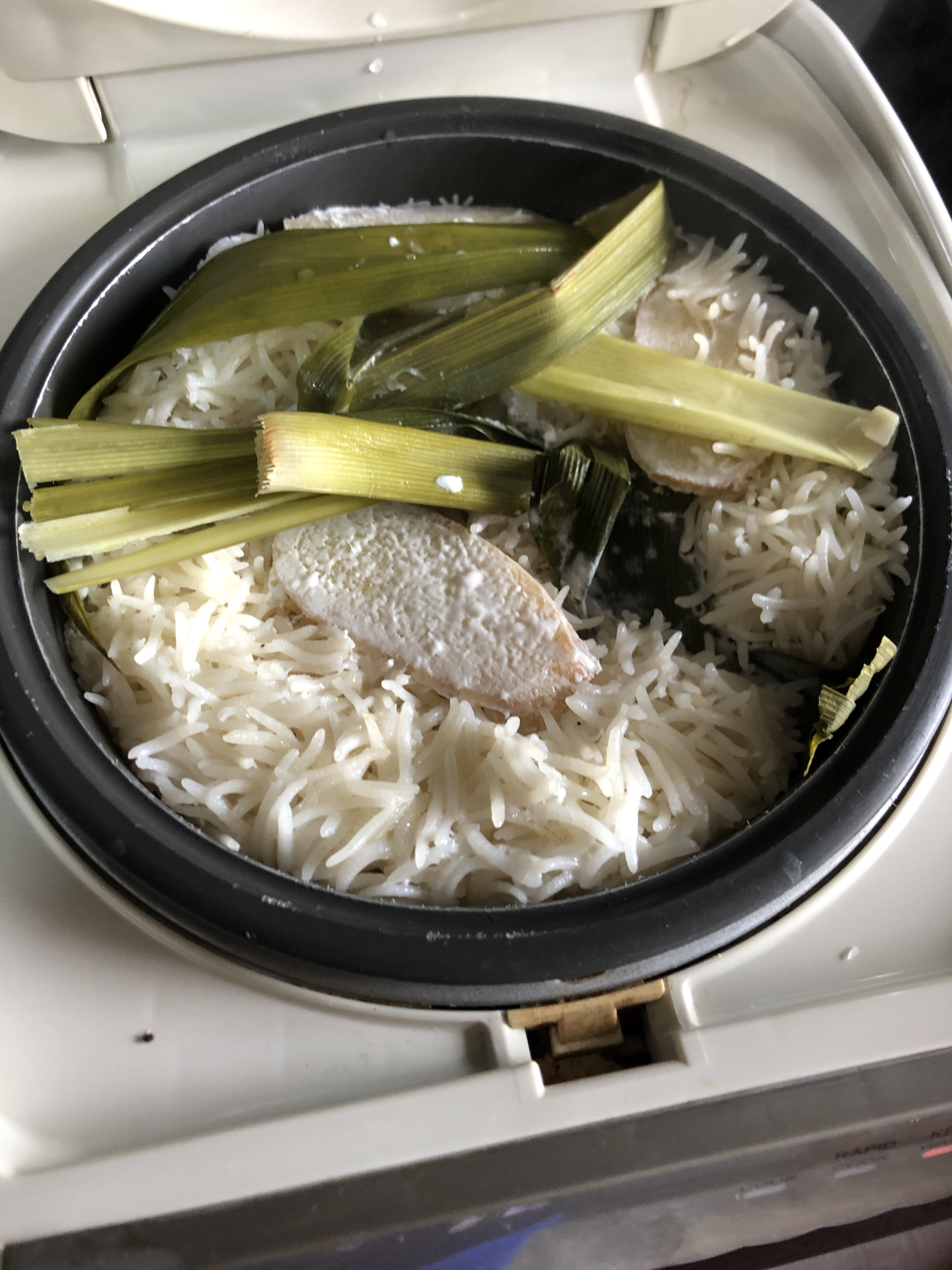
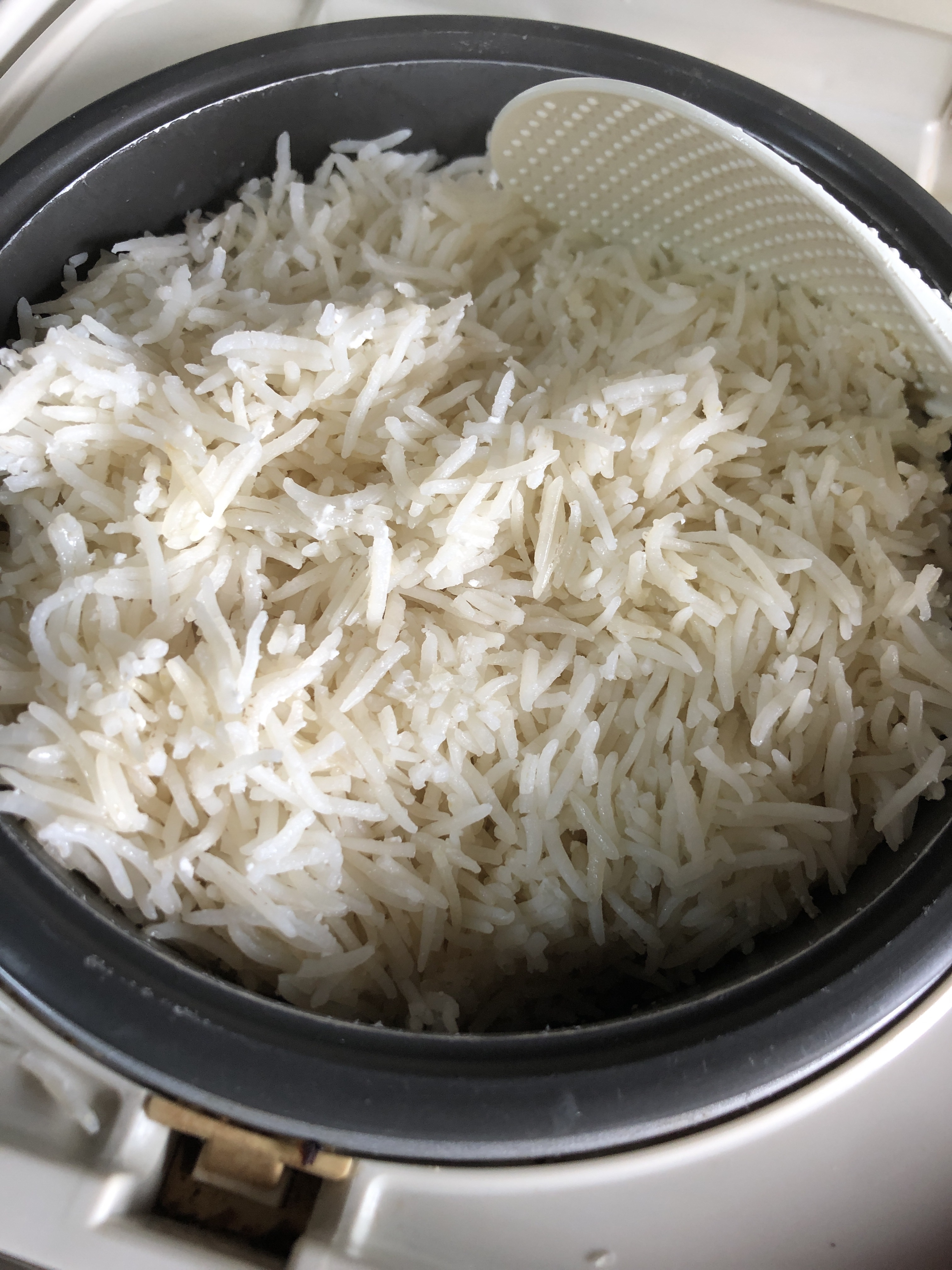
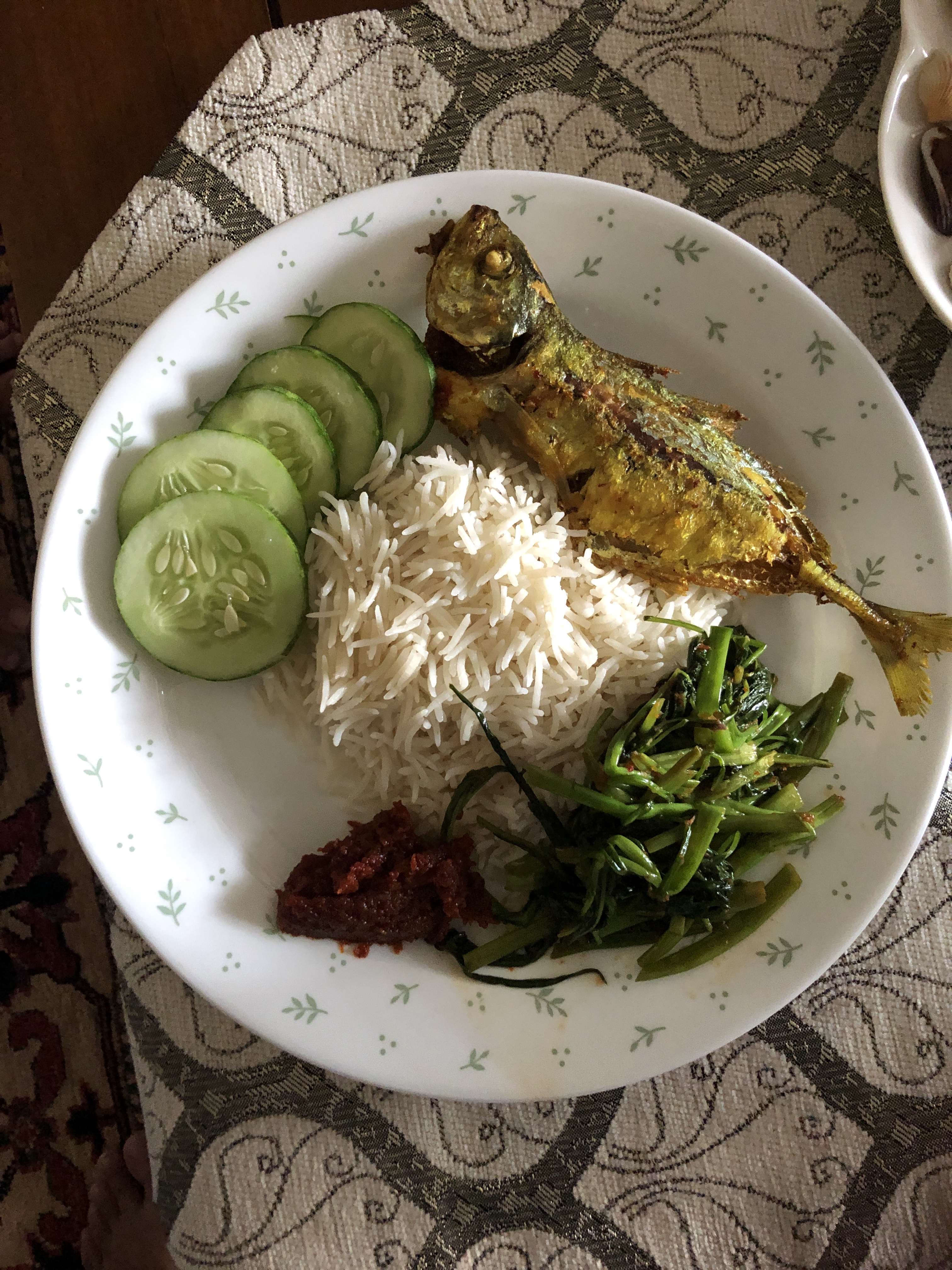
Nasi lemak, or coconut rice, is extremely popular here. In my home, it’s incomplete if it’s not served with fried kangkong, a type of green popular in Southeast Asia.

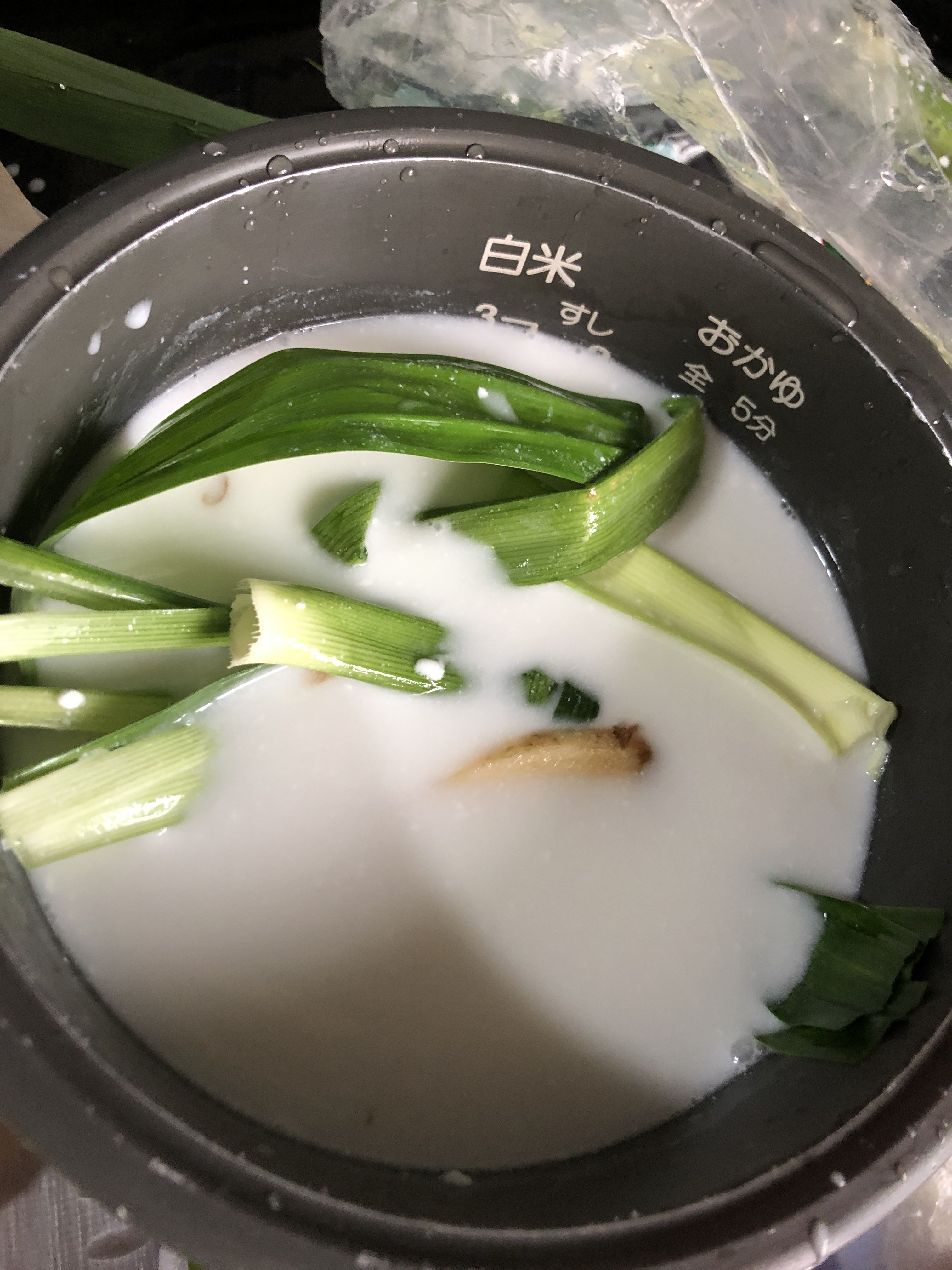
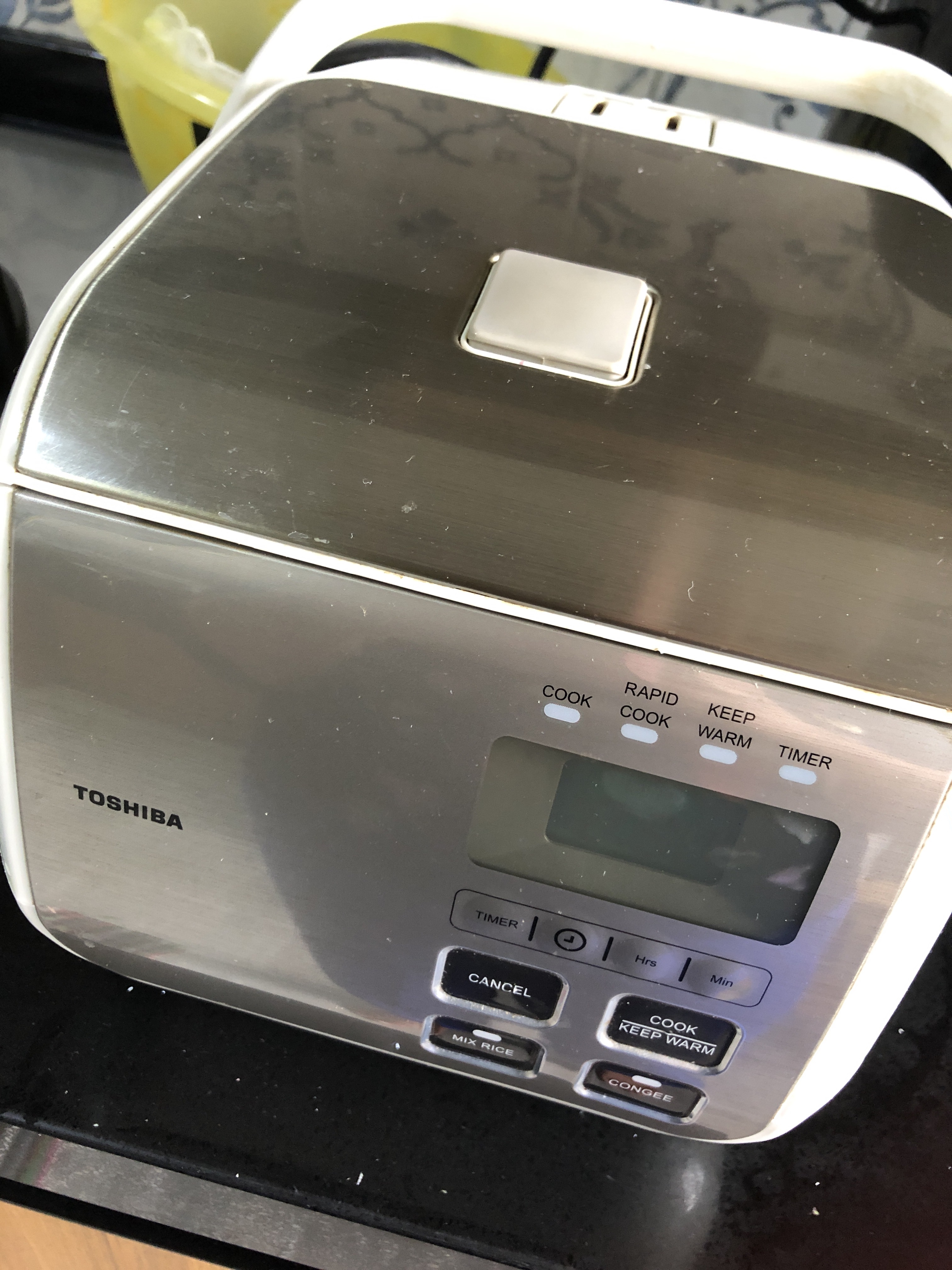
This is how you can make the rice easily in a rice cooker. If ever I have to move to the west for Long periods of time, the most important cooking appliance will definitely be a rice cooker. This is followed with a blender or chopper. 😅

Recipe:

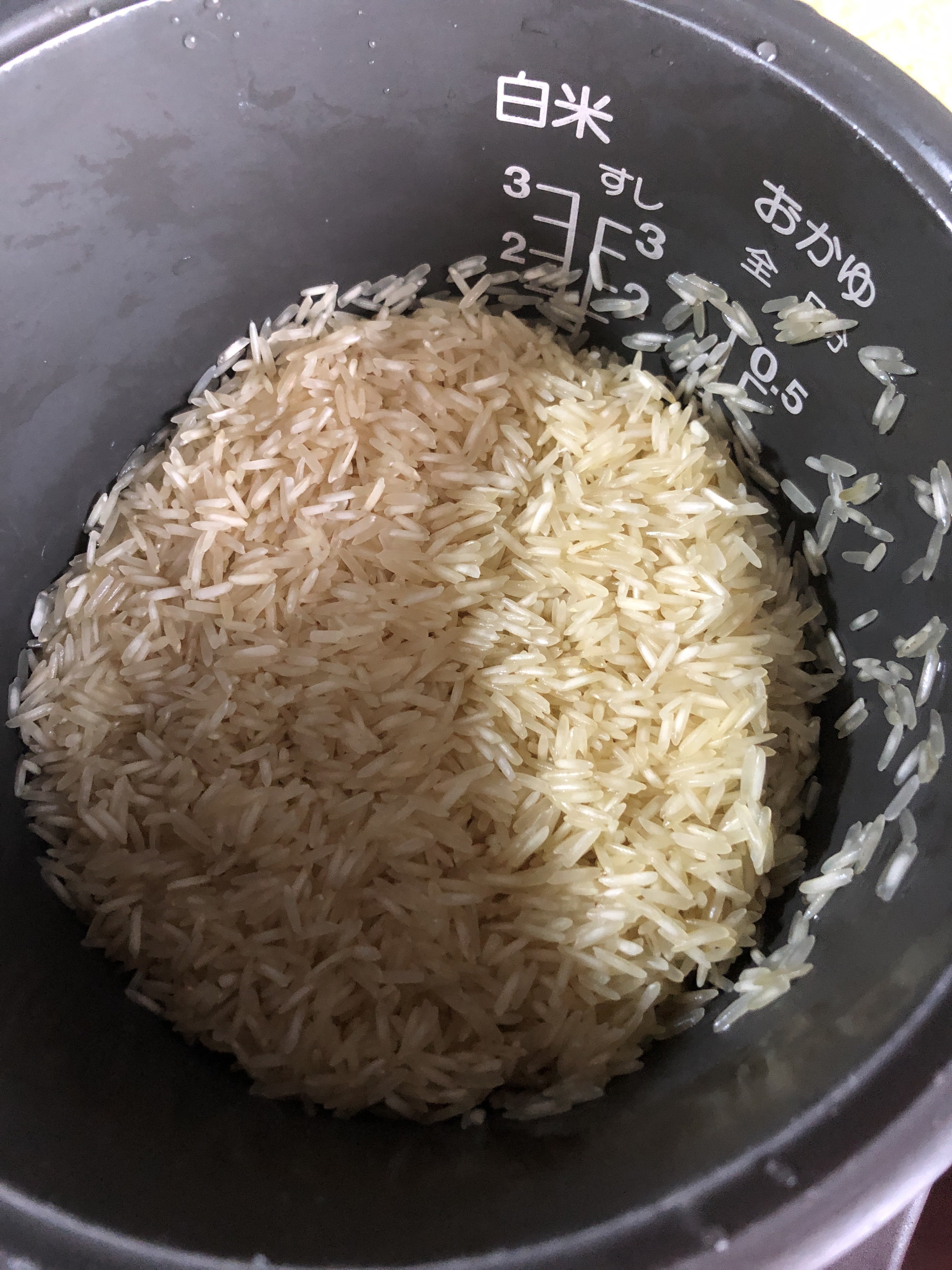
1. 3 cups of jasmine or Long grained basmati rice. My family only eats basmati rice so I’ve used it here

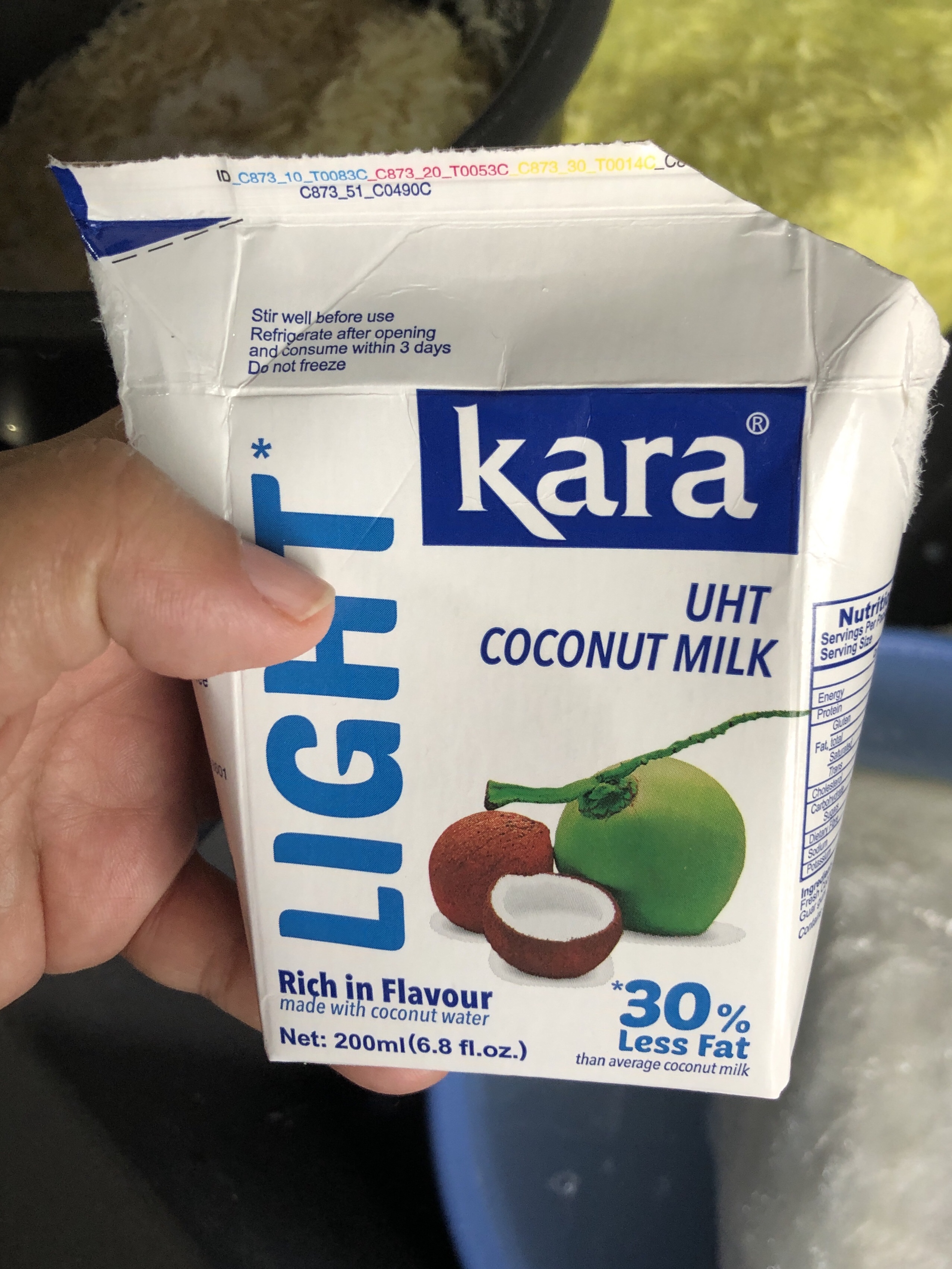
2. One packet of coconut cream. About 200 ml.

3. About 3 cups of water. I use the traditional Asian method of measuring water for rice. It should not rise above the middle line of your middle finger from the surface of the rice grains in the pot

4. 1.5 tsp of fine salt.

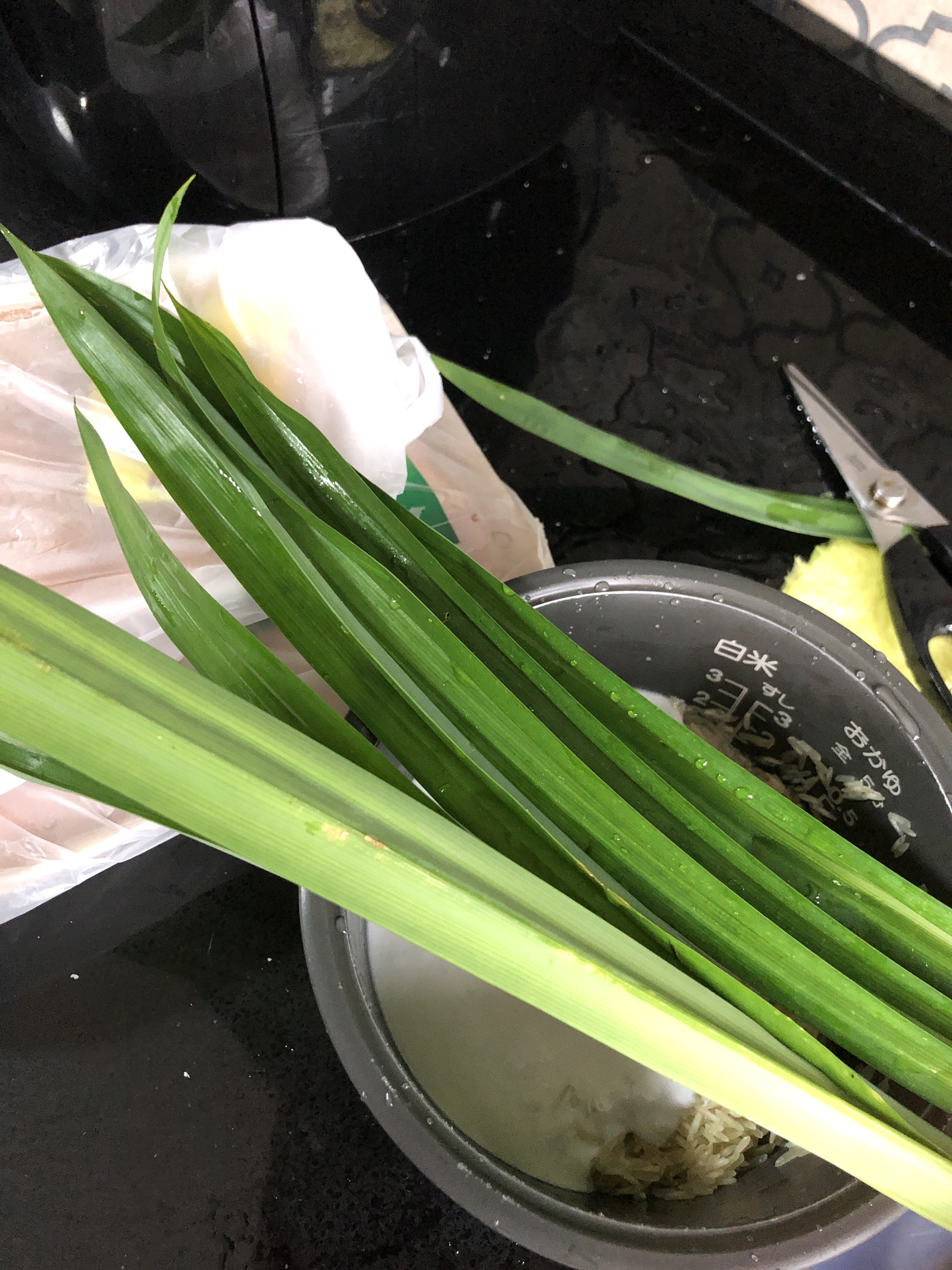
5. 6-7 pandan leaves

6. 3-4 pieces of ginger slices

And then turn on the rice cooker. Before you know it, voila! Fragrant coconut rice!

Asian Dishes, Seafood

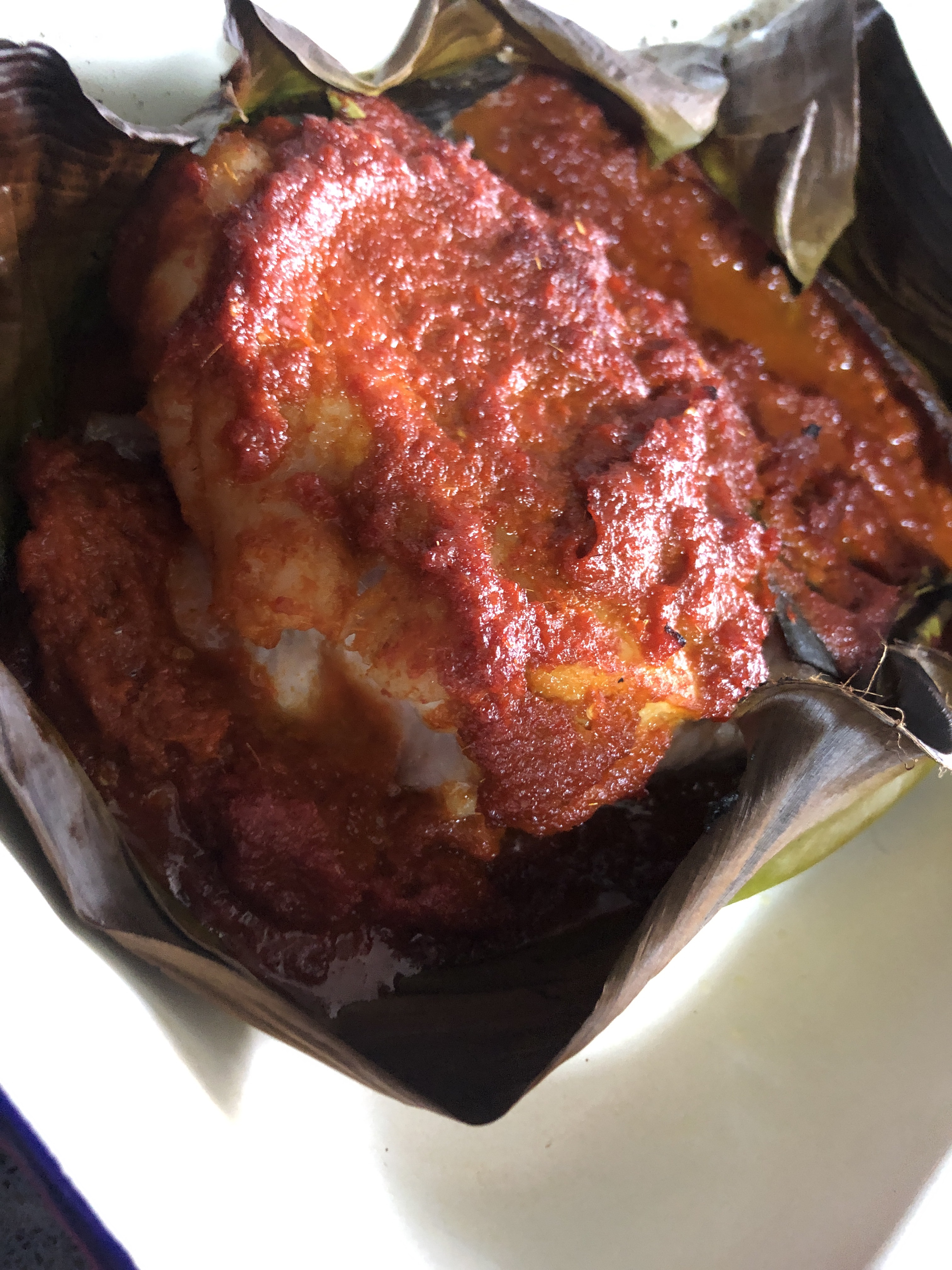
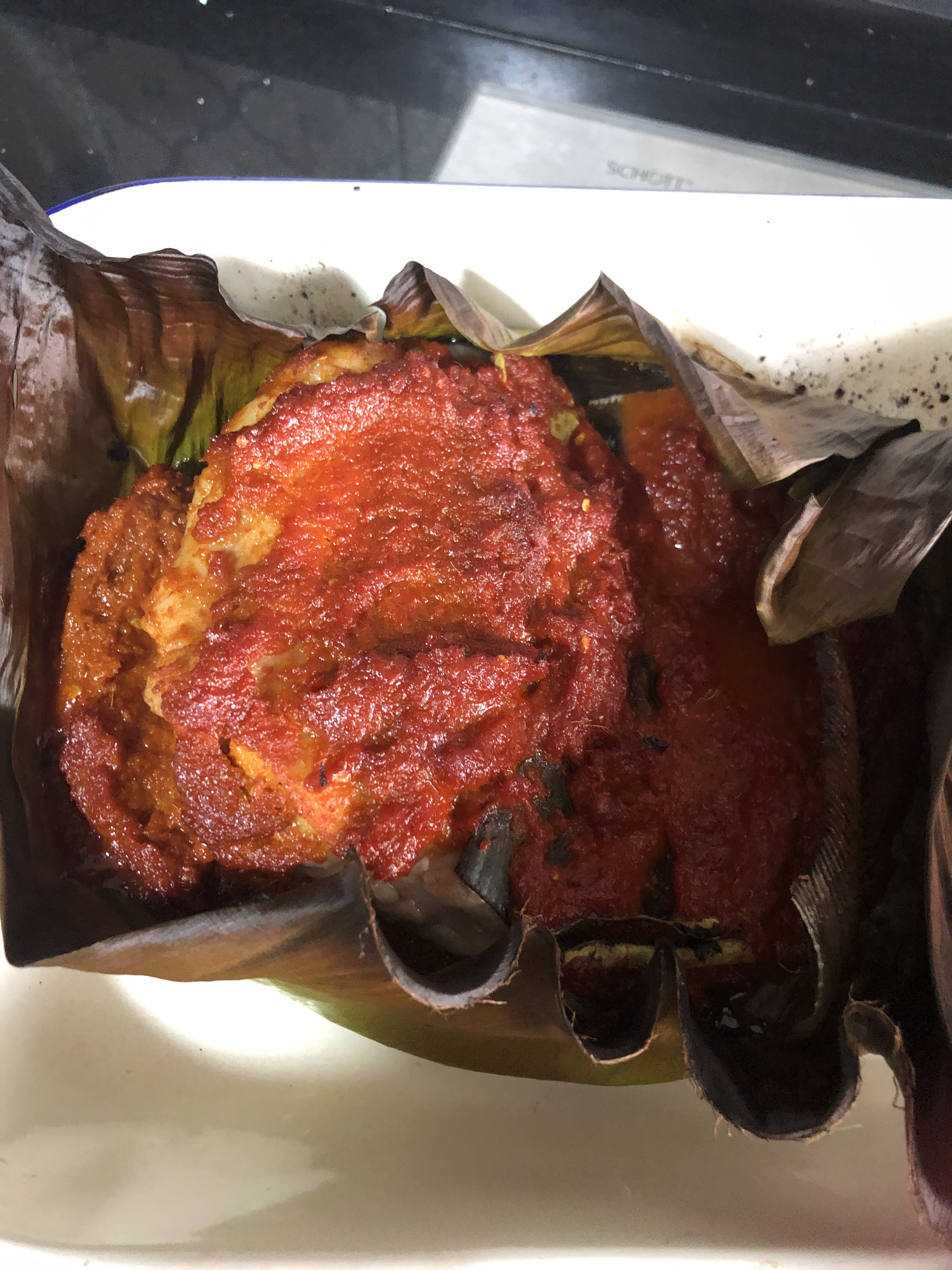
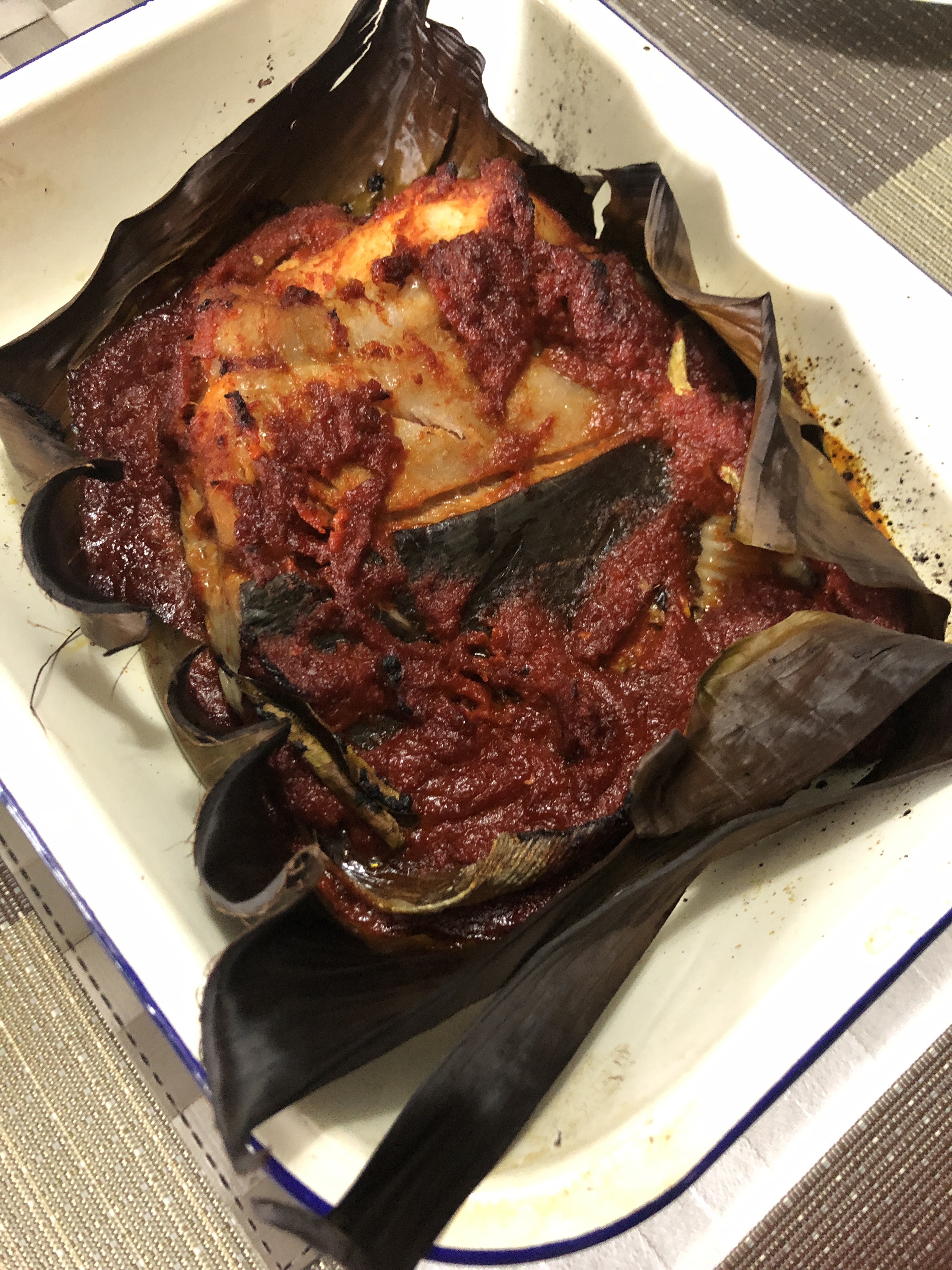
Sambal Stingray

Recently the Girl has grown more adventurous in her food taste. A growing teen means you’ll have to start catering not only kiddy food at home but also adultish food so one day she asked for a favourite hawker dish here in this region.

Stingray or a type of skate fish? I’m not sure what it’s called elsewhere is a delicious fish when grilled with sambal and in banana leaf.

It’s actually simple to make! It was my first time making this fish dish and now that I know how to, I’ll be making it at least once every few months.

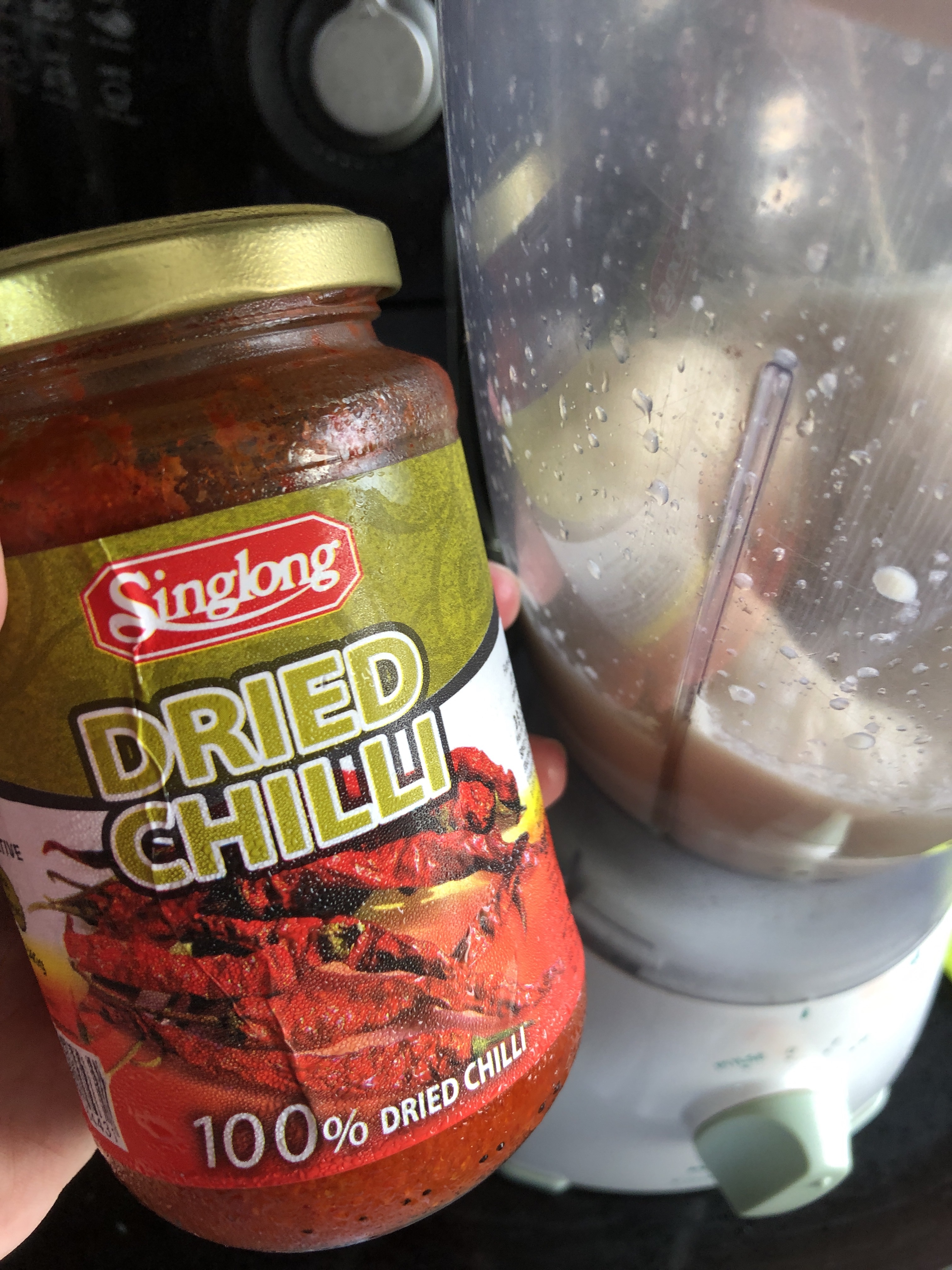
The first step is to make the sambal. I’ve gotten quite lazy because I’ve had to cook almost every day recently and making your own dried chilli paste is too much work. Thankfully, dried chilli paste now comes in a jar! How convenient.

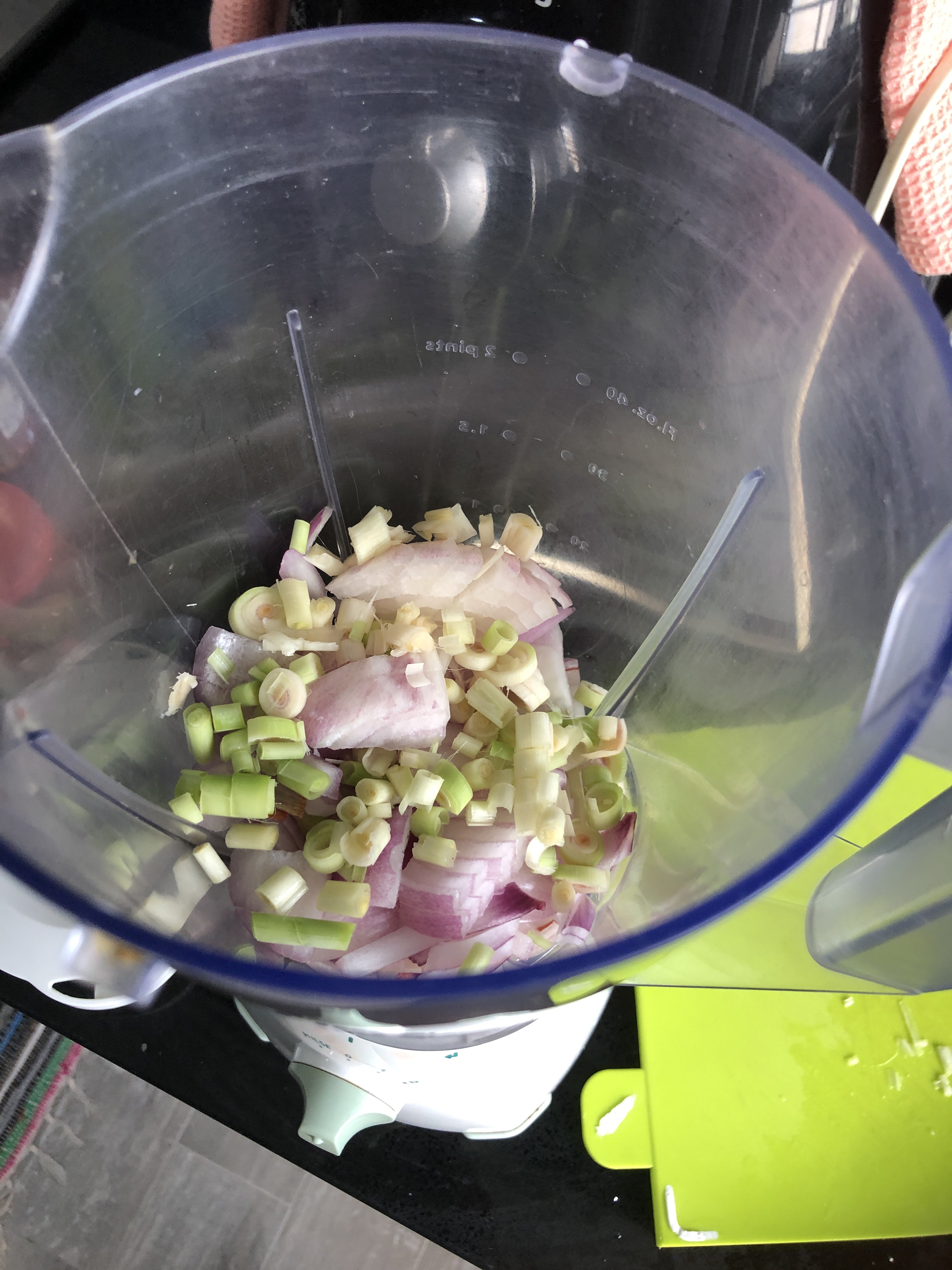
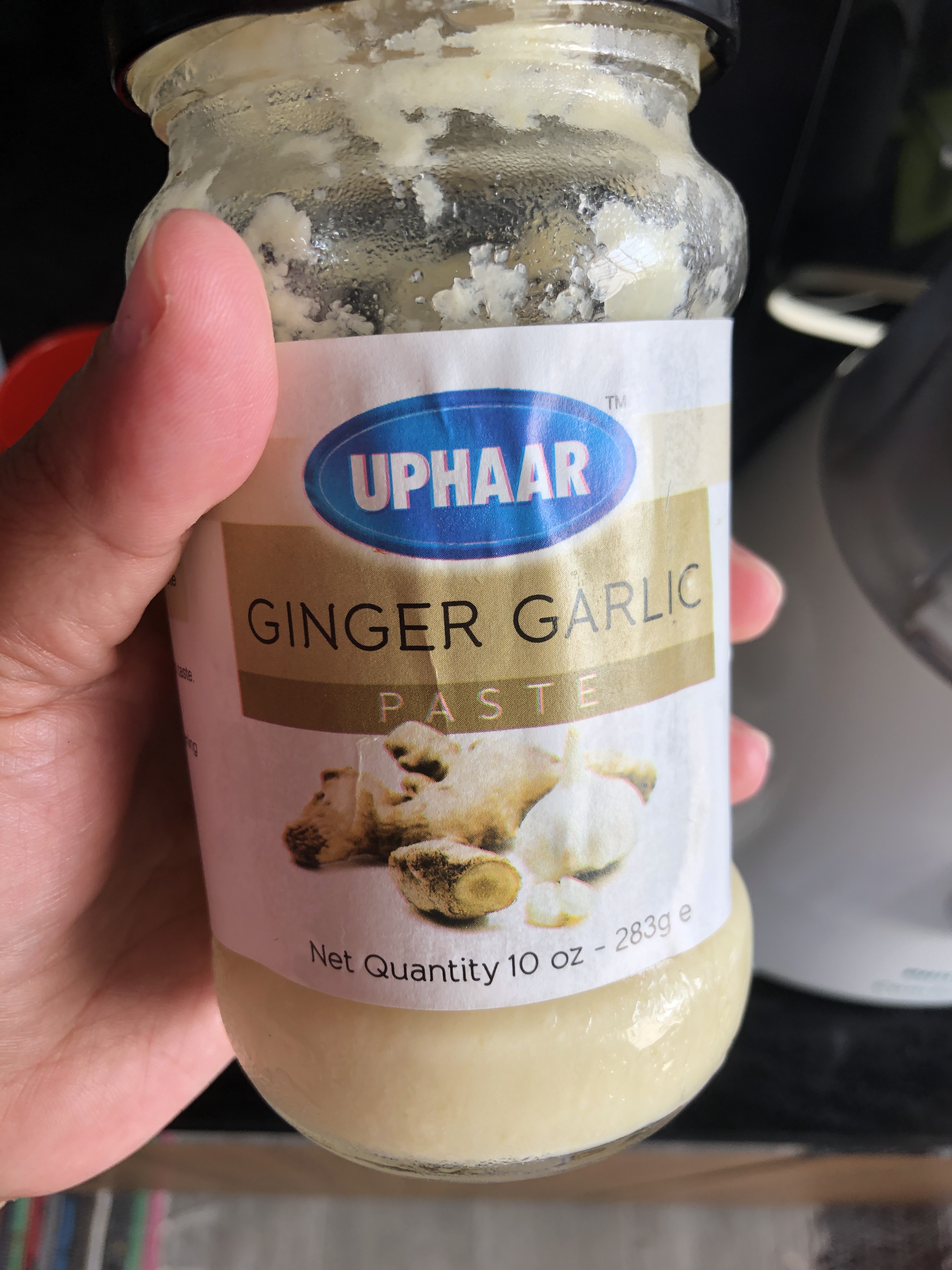
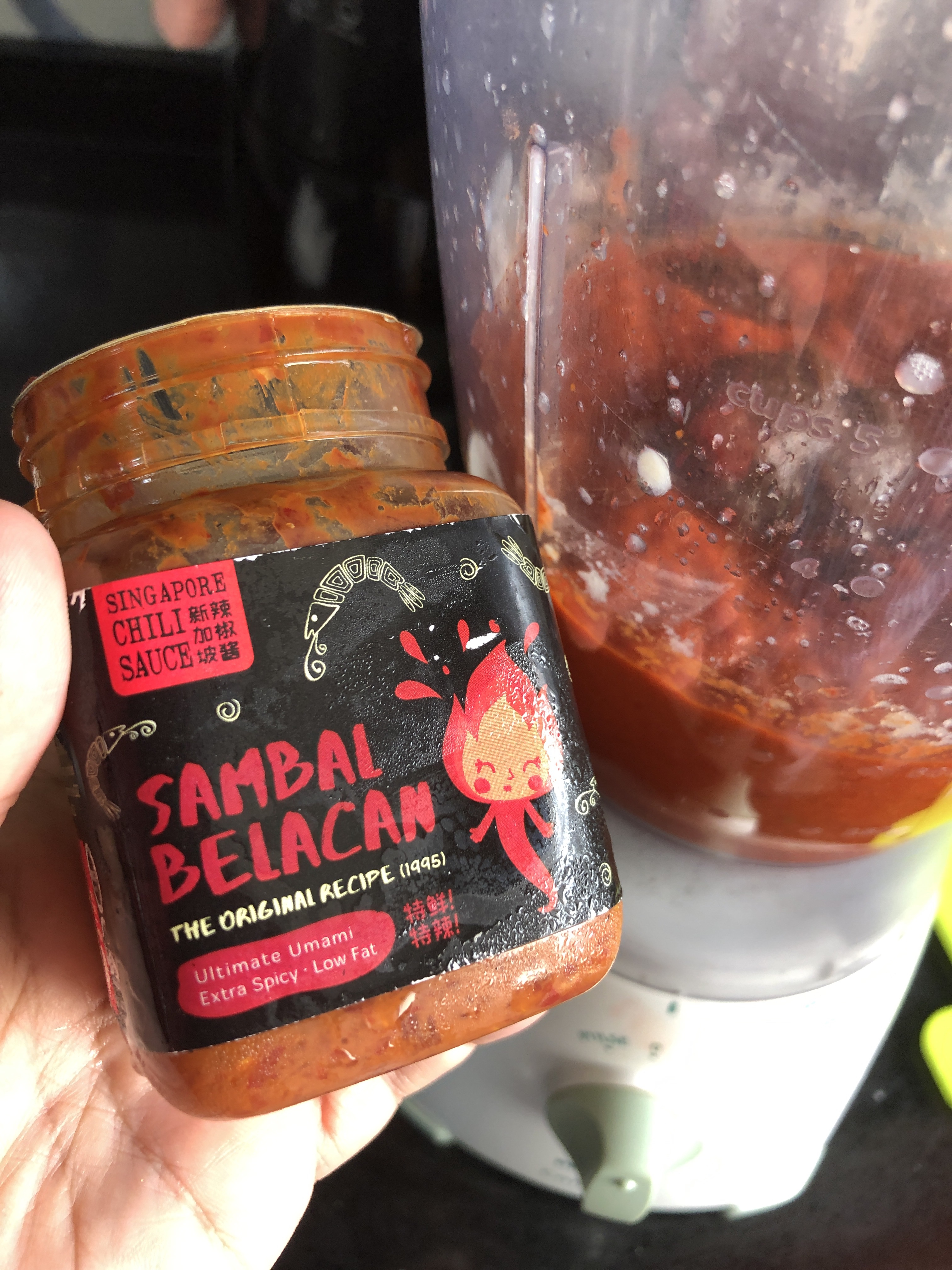
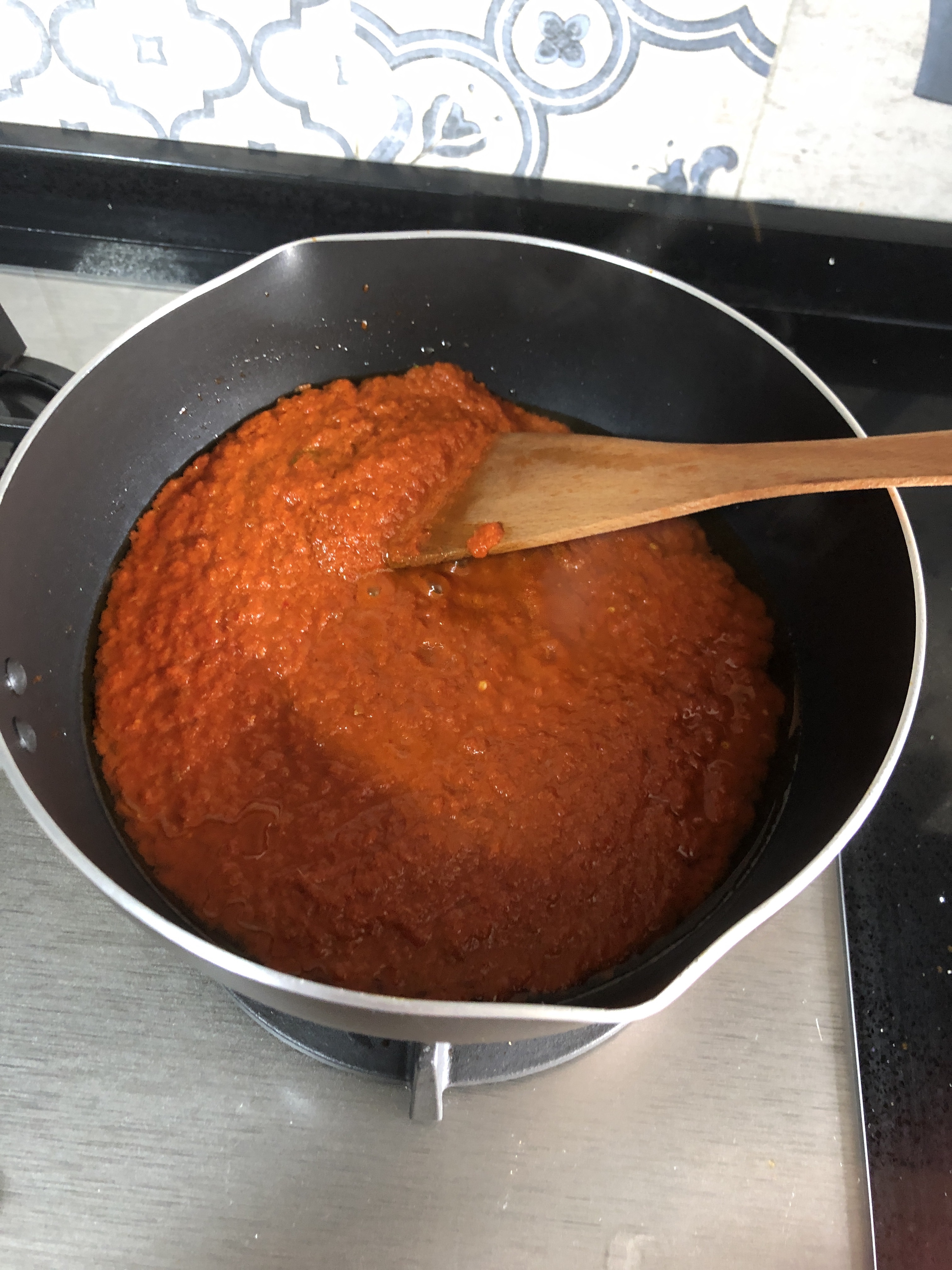
So in a blender goes two or three red onions (the sizes here are much smaller than in the West. I think it’s called Indian onions here?), garlic, two stalks of tender lemongrass stems, two tablespoons of dried chilli paste from the jar, some leftover sambal belacan from a jar (original recipes just call for belacan, fermented shrimp paste but this whole ingredient can be omitted), and ginger. And with modern conveniences, I also used ginger garlic paste from a jar.

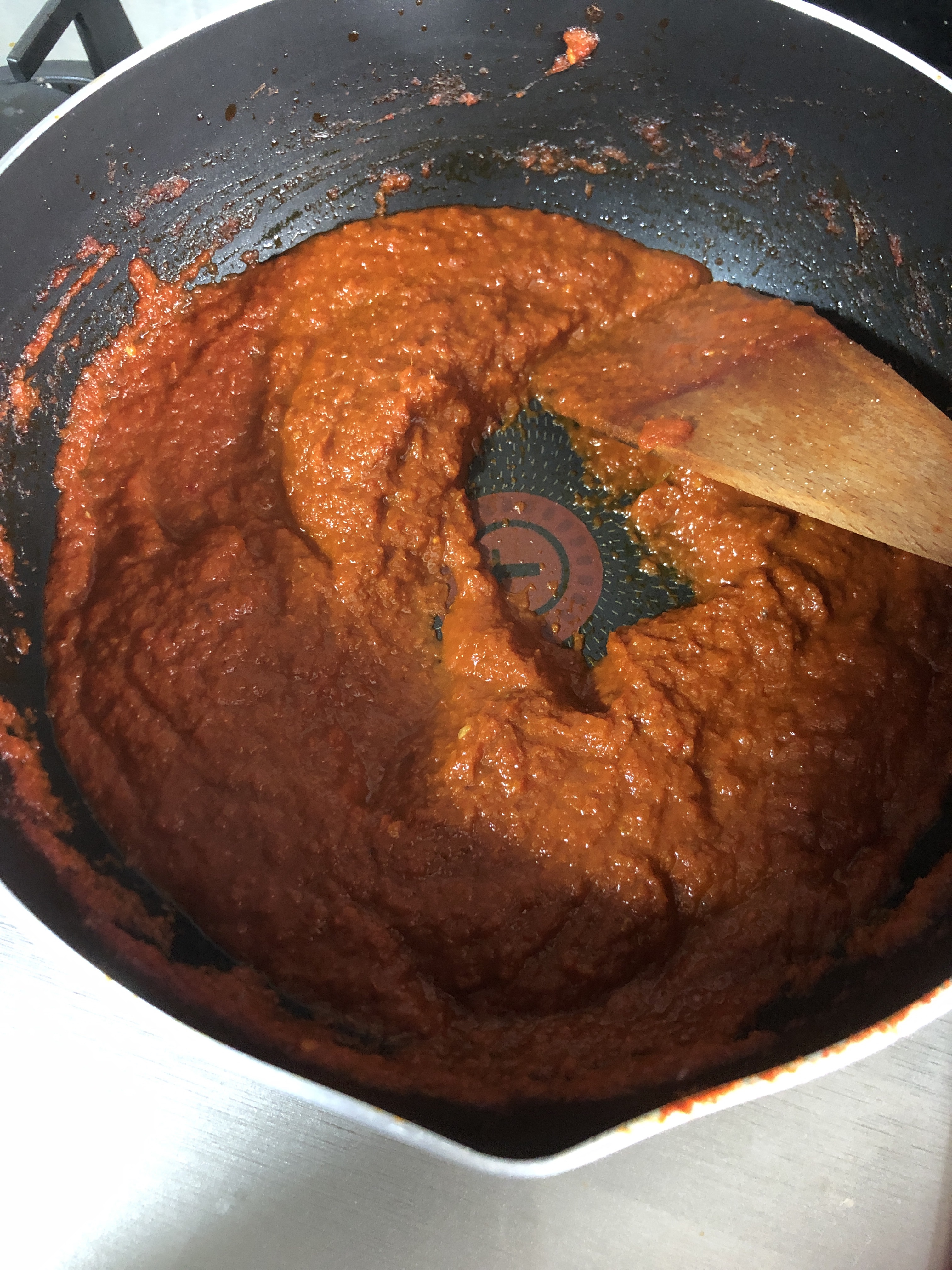
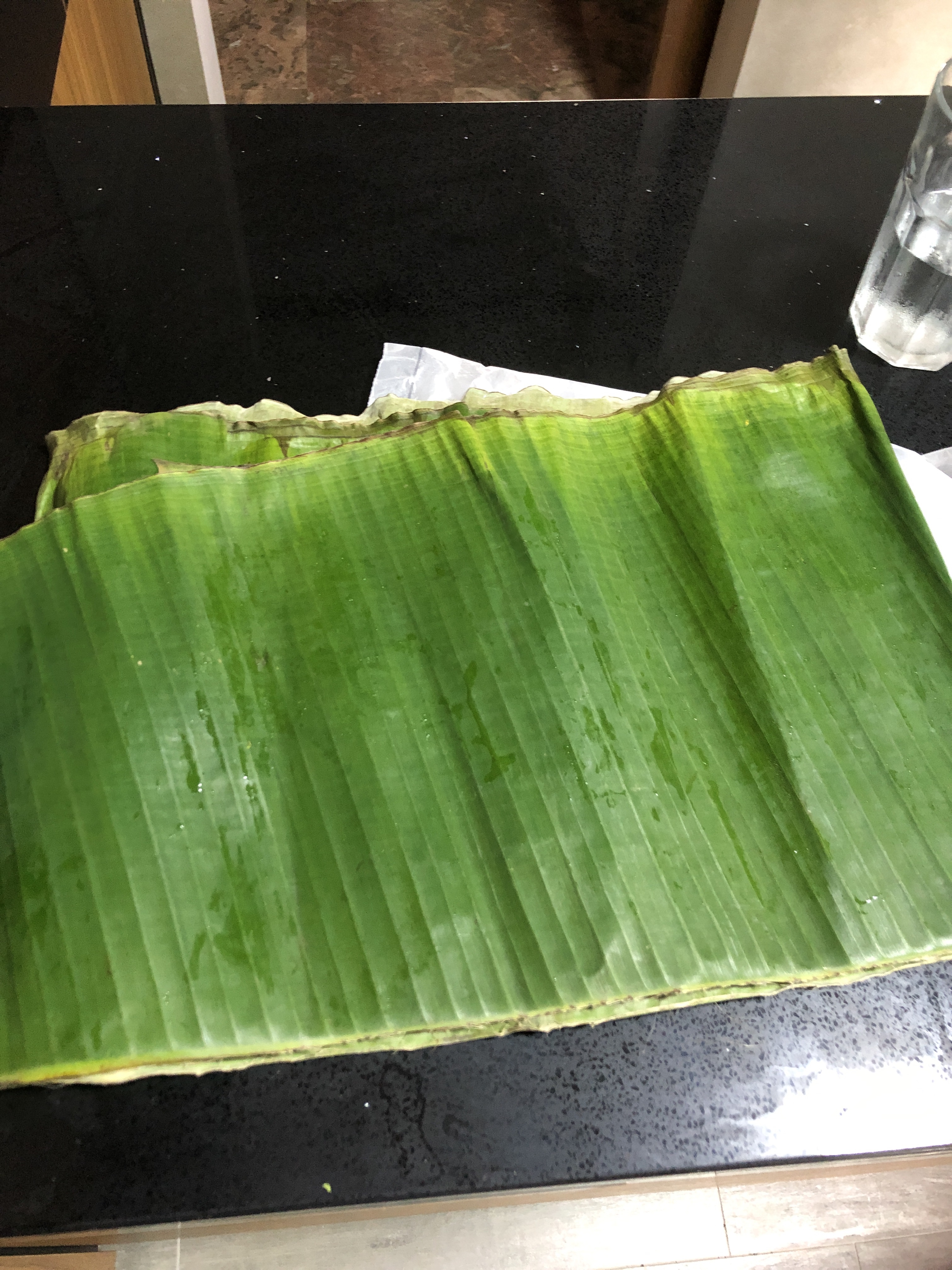
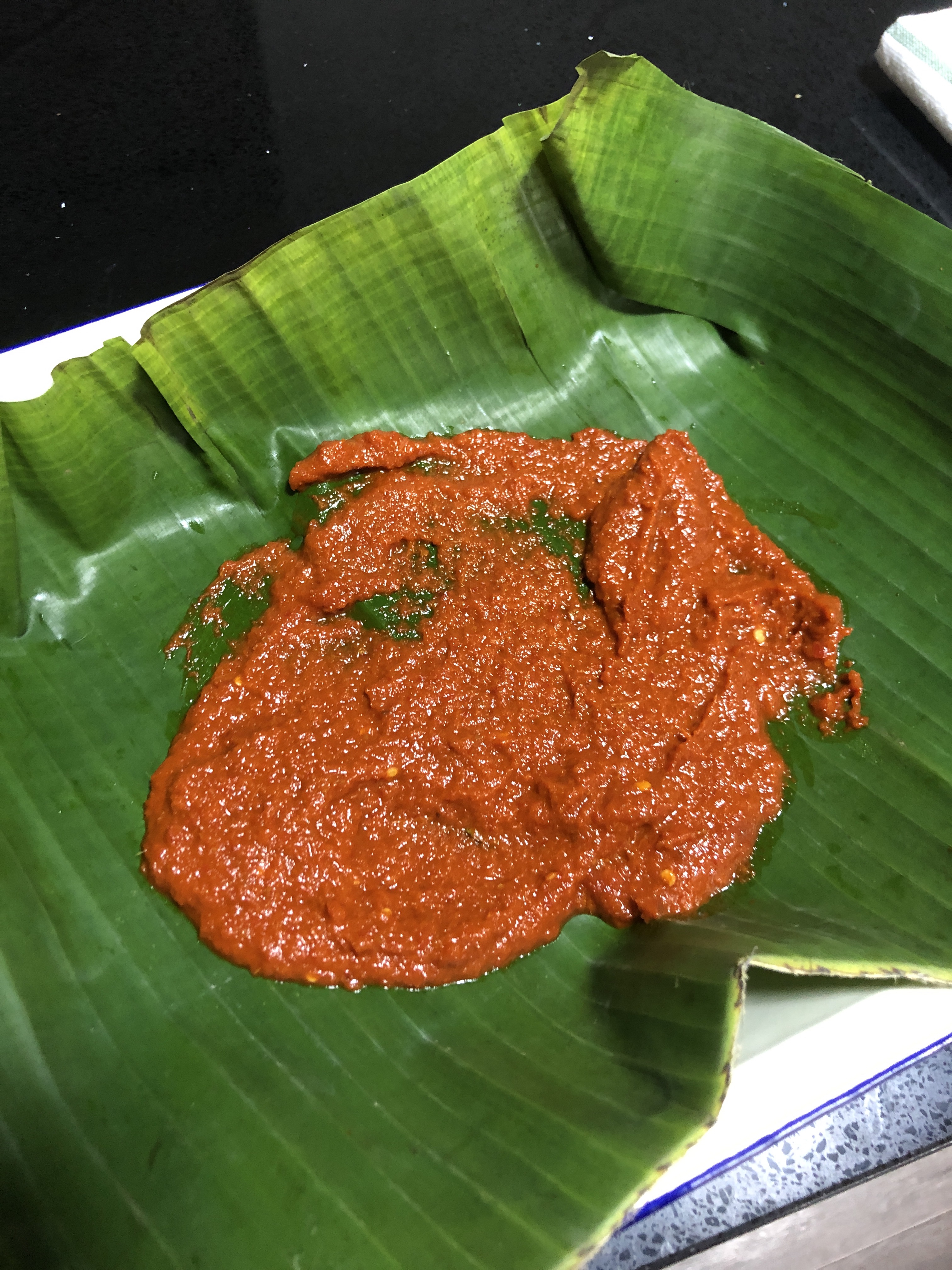
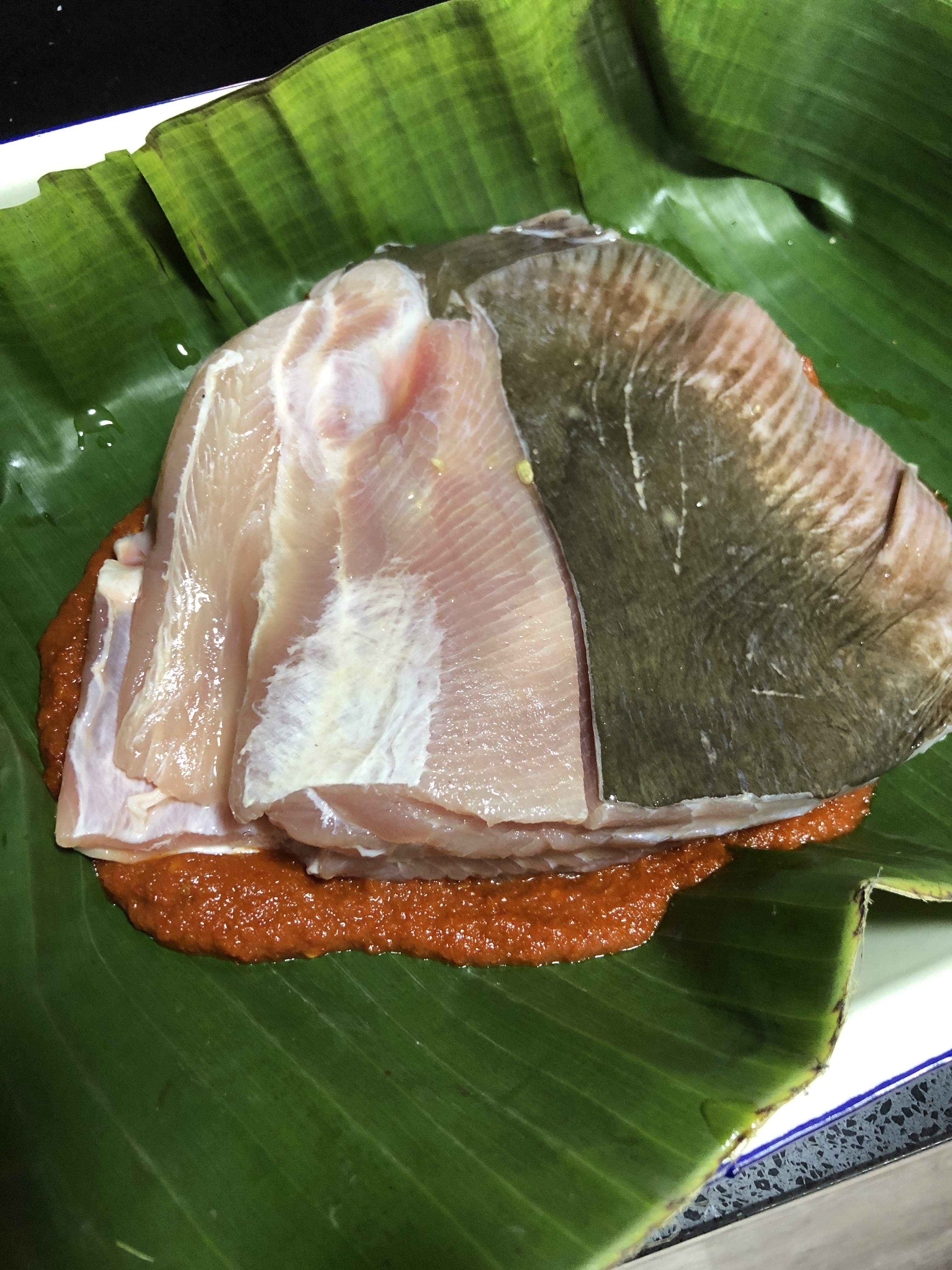
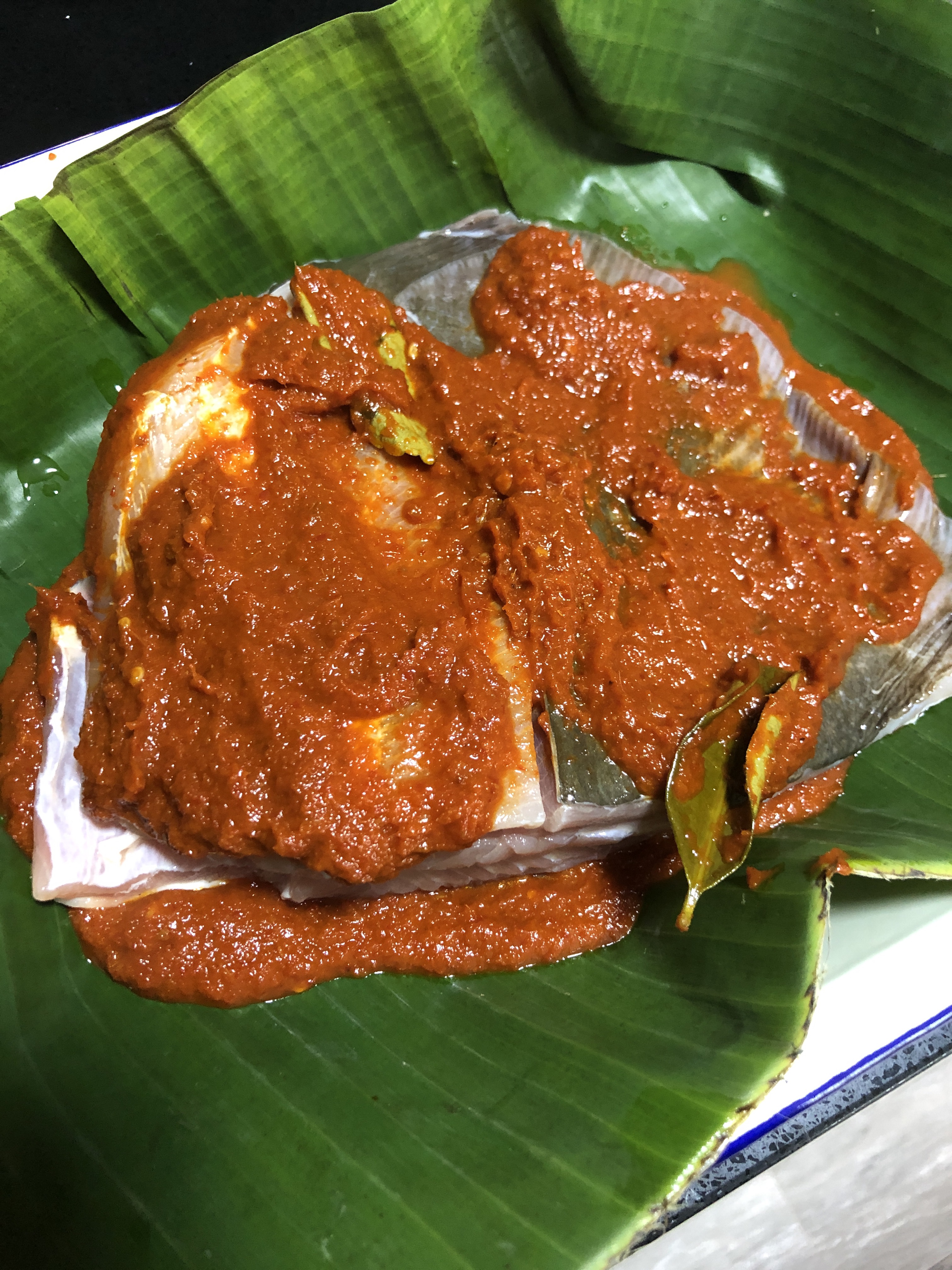
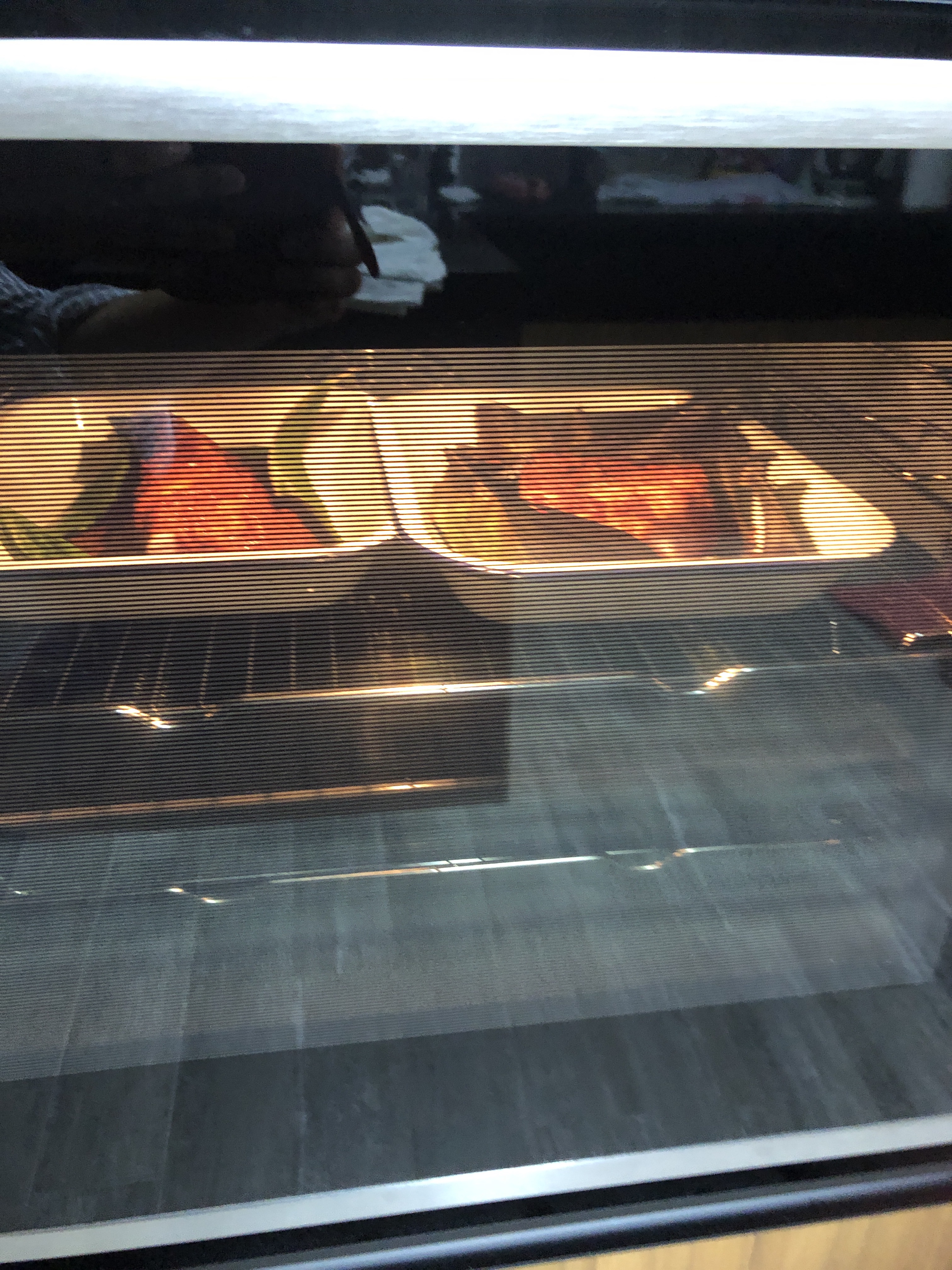
Fry the finely blended chilli paste mixture in quite a lot of oil till the oil separates. You can add a few pieces of kaffir lime leaves for the added aroma and a teaspoon of tamarind paste. I’ve added my tamarind in the blender so I didn’t have to add more. Then, lay a piece of softened banana leaf on a baking tray. Place some of the cooked sambal on it. Place the fish on and then smother with more of the sambal. Either grill in the oven or do it over a pan (but with a lid to cook). Serve with plenty of cut Calamansi limes. Delicious!