I love corn. I used to steam corn in one of those microwaveable steamers. That is until I realised putting corn in aluminium foil, marinated with butter, paprika and salt, makes for addictive creamy corn. It’s so fast to make, economical and healthy!
Palak paneer. When I review the ingredients to this popular North Indian dish, I know I ought to fall in love with it. I love cheese. I love cream. And I definitely love spinach. But why is it that I can never, no matter how many times I try it, seem to not fall in love with this dish?
Could it be because the dish is too soggy for my liking? The palak paneer is a spinach puree and, besides potatoes, I do not like my vegetables pulped into virtual oblivion. So since I was making an Indian meat dish that day, I figured that I should make an Indian style vegetable dish, and since I only had spinach that day, palak paneer seemed the obvious choice. I decided to improvise to suit my tastebud. Like Asmah Laili (the effervescent Malay TV DJ turned Cook) always says – ‘Bukan masakan itu bikin kita, kita bikin masakan itu’ (I think). It’s not the dish makes you, but you make the dish. (?)
Recipe
1. cumin seeds (about 1 tbsp)
2. Spinach(amaranth/local bayam)
3. parmesan cheese cubes
4. half a packet of cream
5. one sliced chilli, preferably green (but I used red that day)
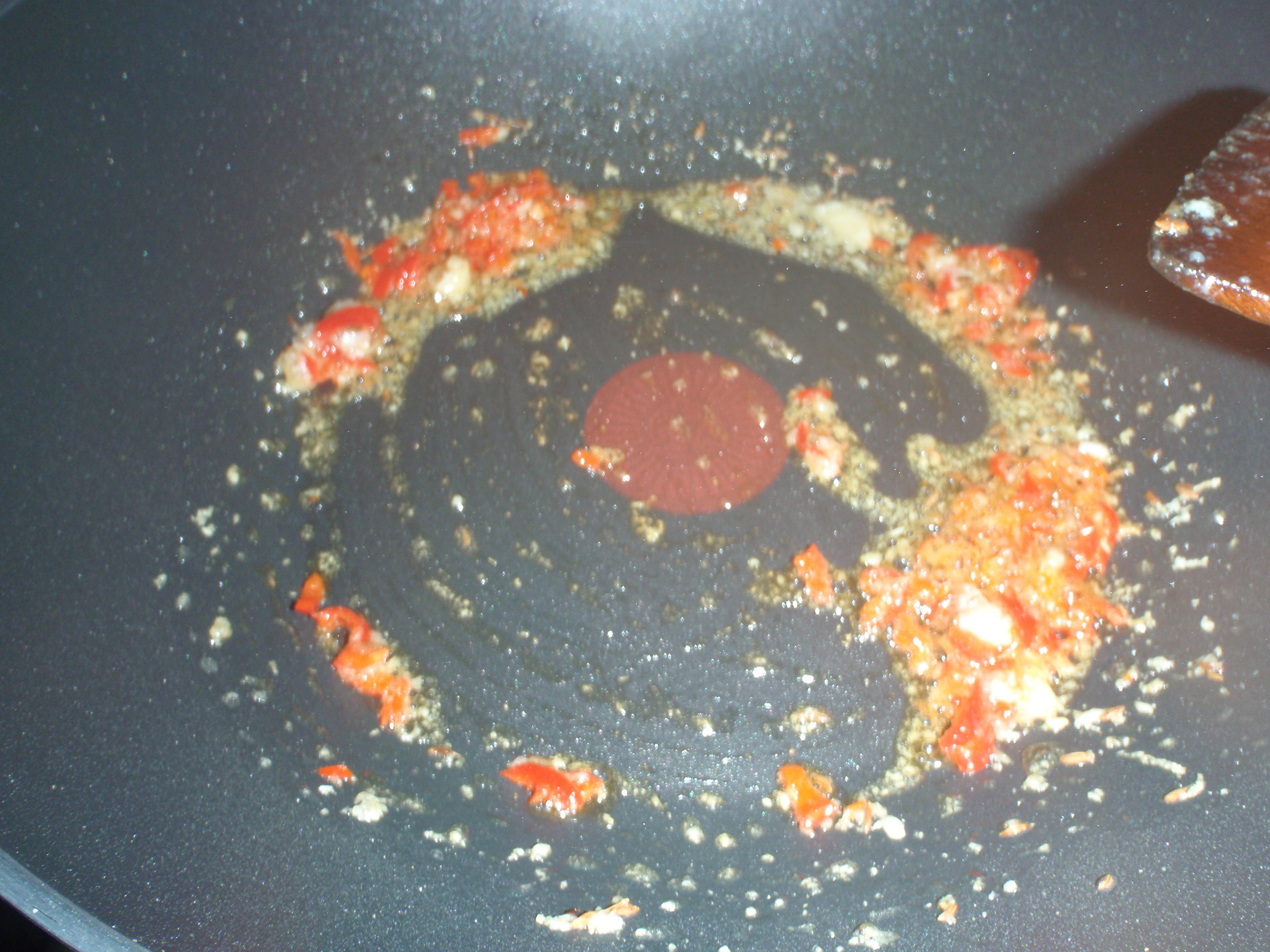
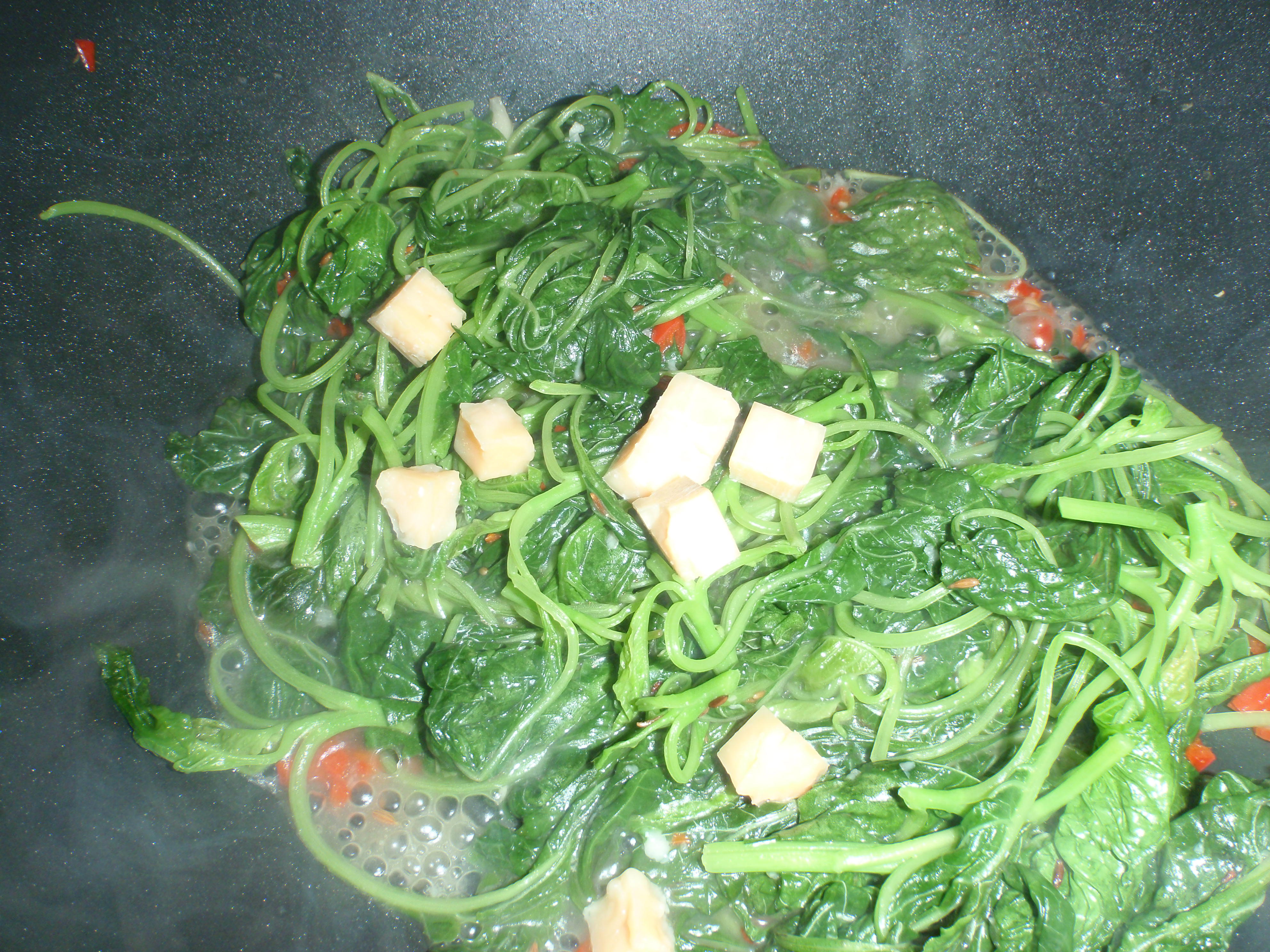
Saute cumin seeds, chopped garlic and sliced chillies
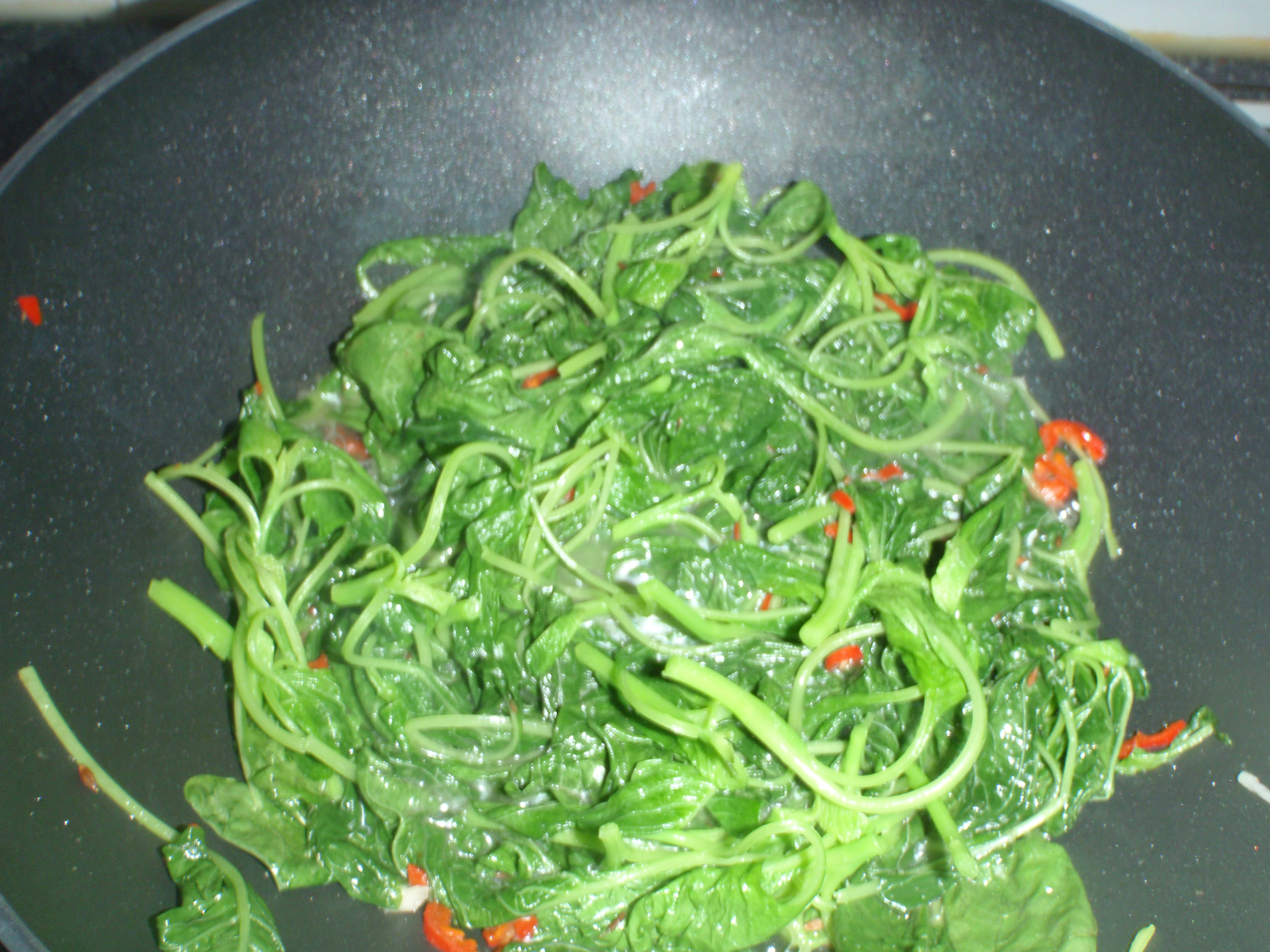
Add in the spinach and cook till wilted
Stir in cubes of parmesan cheese. Do not overcook or cheese will melt.
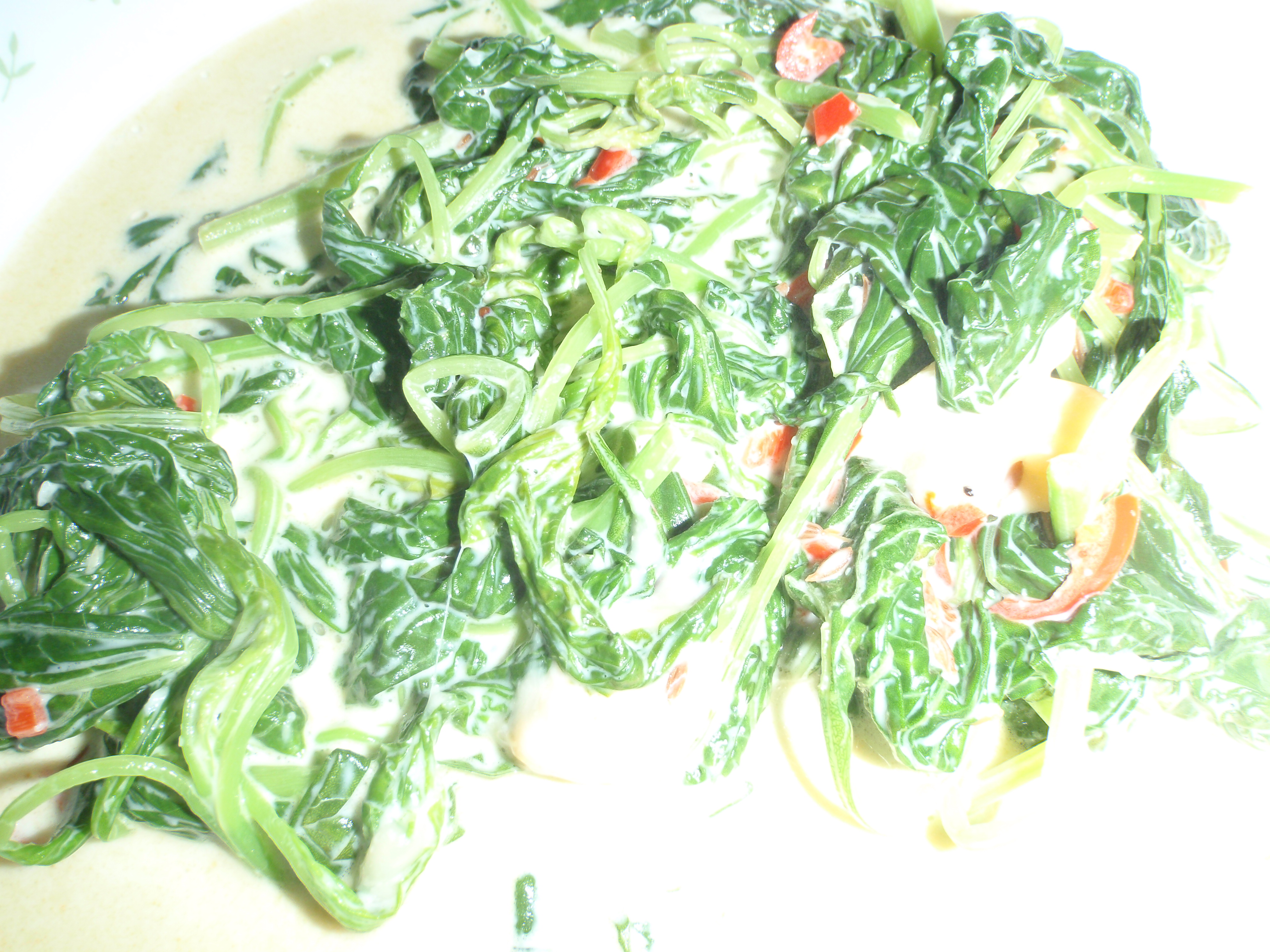
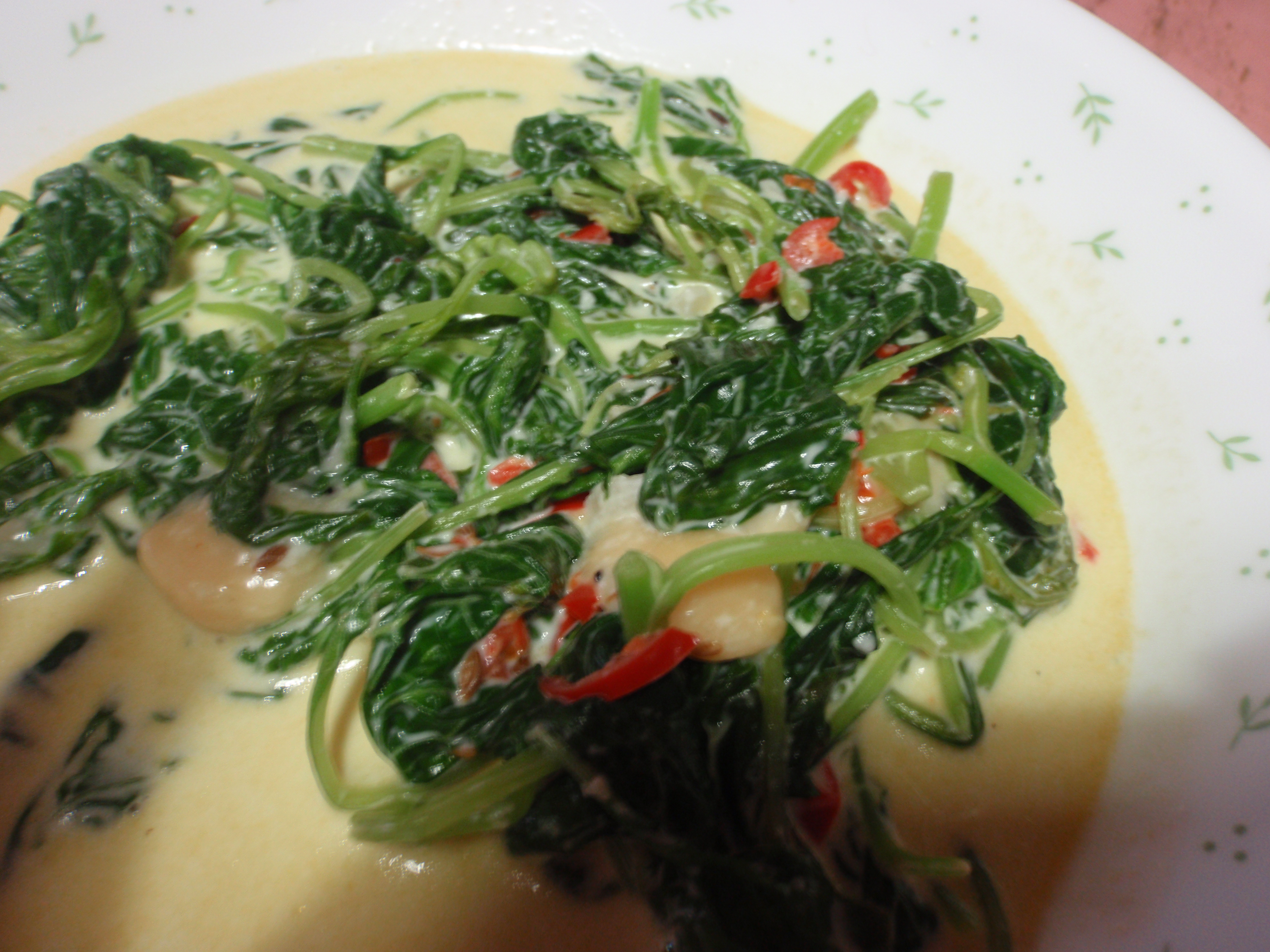
Pour the cream in and cook till desired consistency i.e. more cream or let it thicken and soak into the spinach
Serve with hot Basmati rice or naan and an Indian style meat dish
The Hubby liked the dish. Interestingly, he called it ‘The Lemak Bayam’. There is a Malay dish using spinach and coconut milk and it looks like the picture above. However, besides the obvious difference in taste between cream and coconut milk, the cumin seeds add a different dimension in flavour to the former dish. Overall, we genuinely liked the spinach dish and I would make it again the next time for sure.
Foul Medames-the staple breakfast in many Mid-East communities. Here in Singapore, the Arab/Malay community lovingly call it ‘Kacang Pool’. When I was younger, I never could understand why this mushy brown dish eaten with thick slices of batard was called a ‘pool’. It was only later -much later-that I understood that the arabic word for ‘ful’ means beans and that well, just like a Fatimah is called a Patimah and a Sharifah a Sharipah, working along the same lines, the Malays called the ‘ful’ a ‘pool’. But I digress. Back to the Kacang Pool, I mean, ‘ful‘.
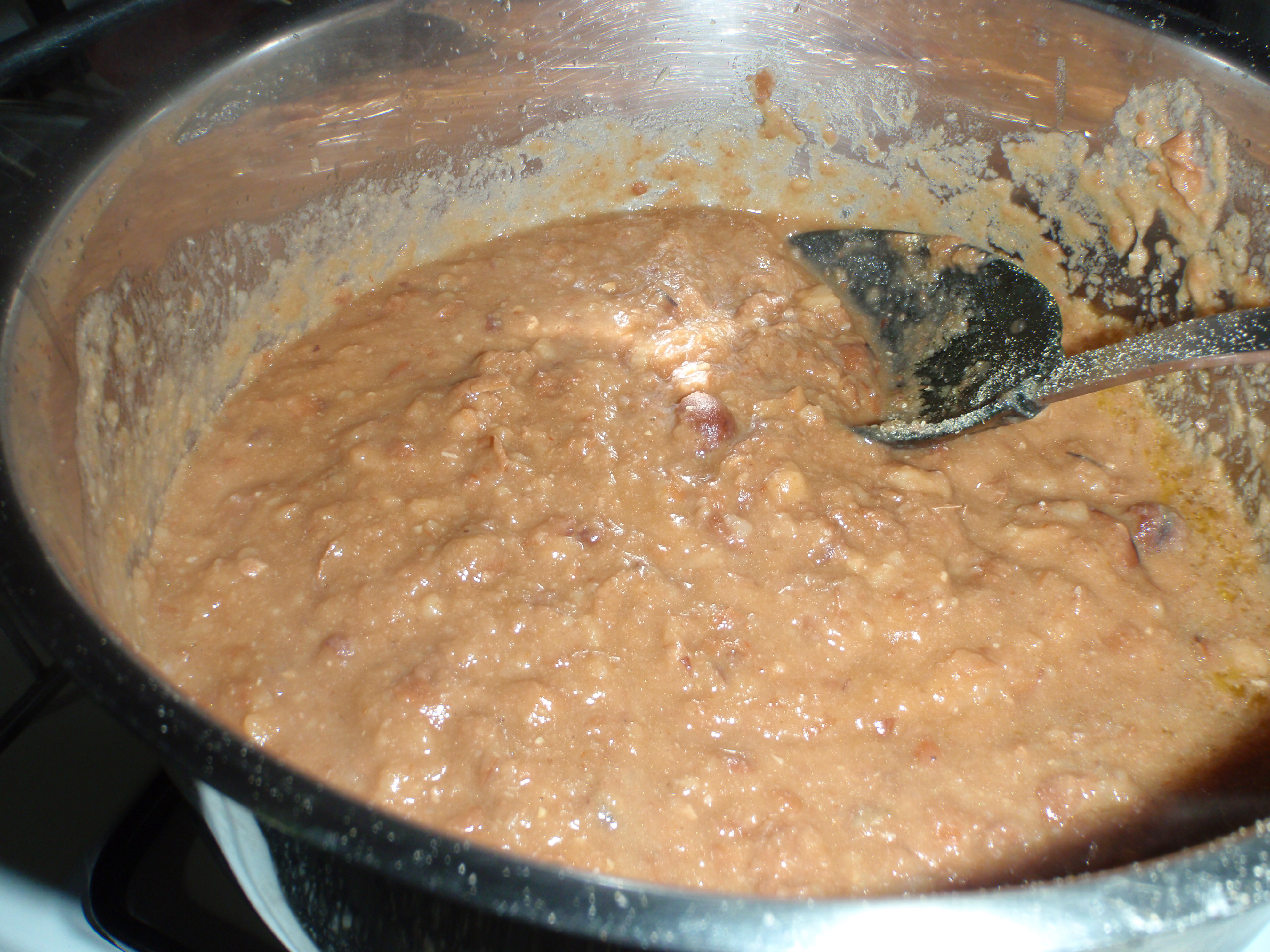
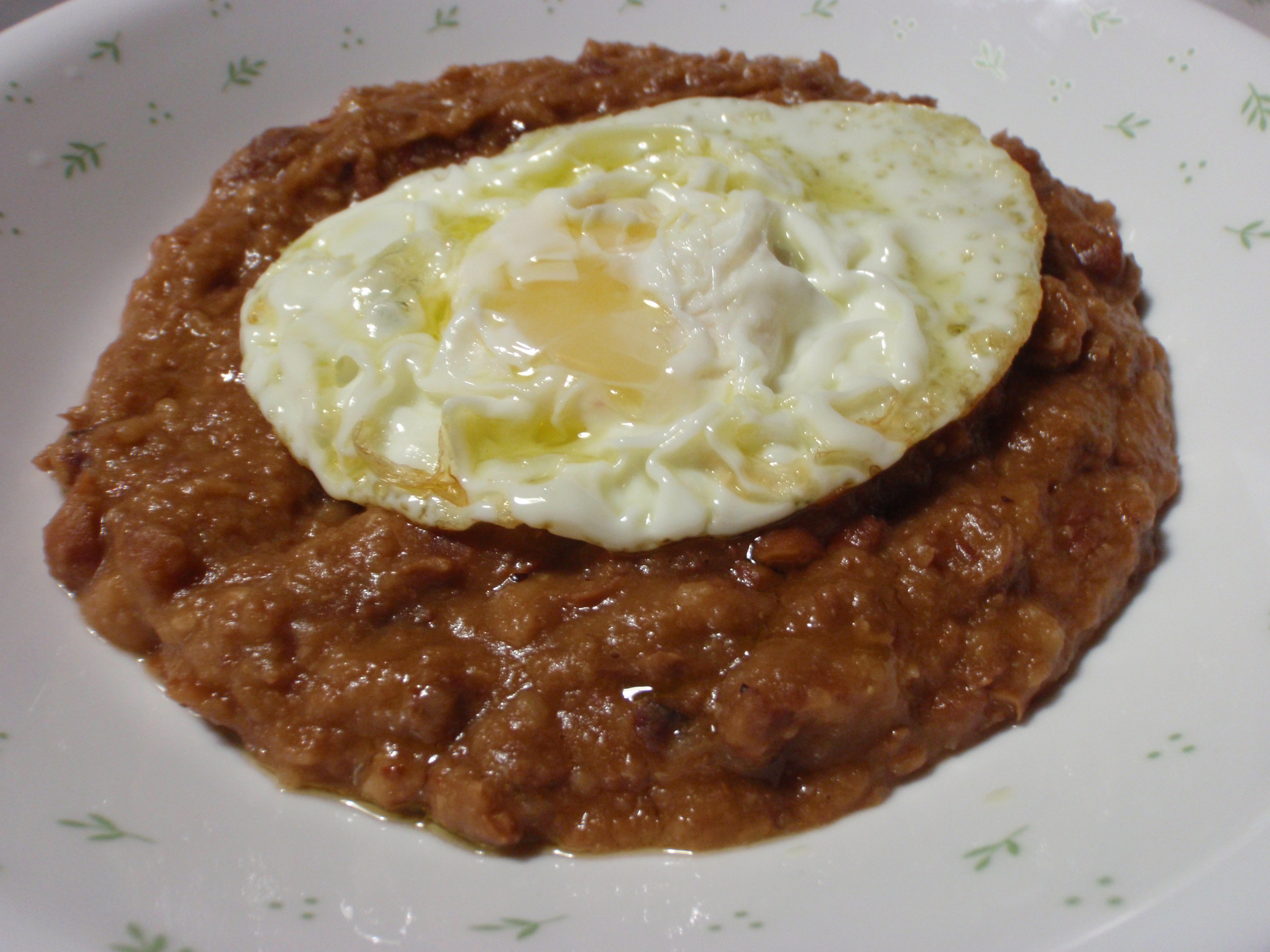
The Singaporean/Malaysian version of this dish is to firstly, in a pot of ghee or clarified butter (traditionally QBB), brown blended onions and then add in the mashed broad beans, seasoned with ground cumin, pepper, tomato paste etc etc. To serve, you fry an egg sunny side up in ghee and then place the egg on a bed of mashed ful. Sprinkle some of the hot ghee on the egg and mash. Garnish with slices of green chillies and finely sliced/chopped onions and maybe a piece of lime – the small kaffir type lime. That is how my mother and mother-in-law and all the women in her age bracket makes kacang pool.
My easy-peasy version is to…
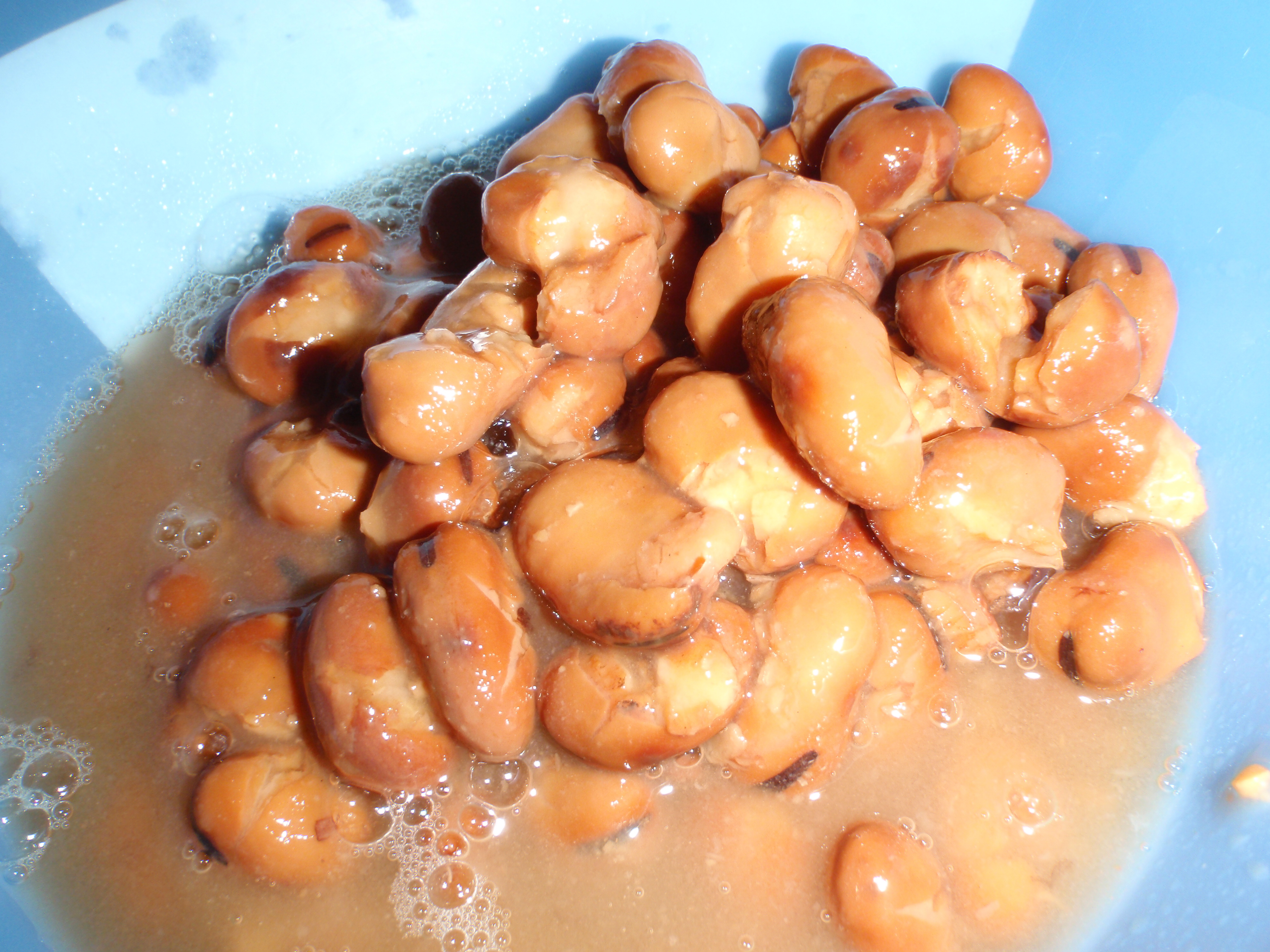
...pour a can or two of broad beans (Maling or Mili brand) into a bowl and mash them roughly using a potato masher
In a pot, heat up about 2 tbsp of olive oil and add blended garlic and onions. Add mashed beans. Add 1 tbsp tomato paste/puree. Add cumin powder, fennel powder, white pepper.
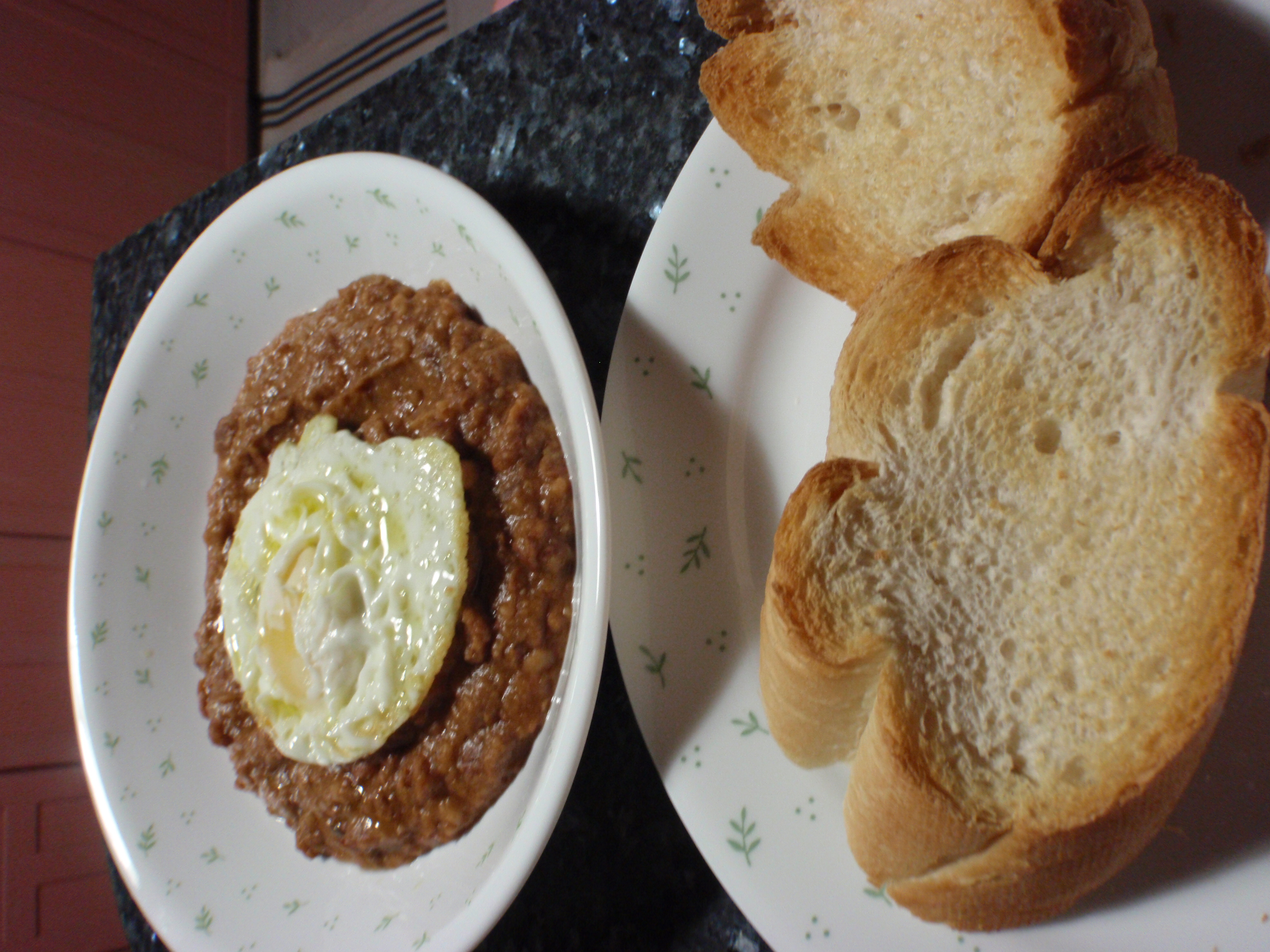
Top with a fried egg (in olive oil).
Eat with toasted slices of French toast/batard
Sometimes, when I have minced meat, I would sautee some into the pot of olive oil before I pour in the mashed beans. Before, I used to put in fresh chopped tomatoes, but The Hubby didn’t like that. He prefers the traditional taste of kacang pool sans the ghee.
My friend’s mother makes the best kacang pool ever. They used to have a stall in Haig Road and I remember tasting their family’s kacang pool recipe. It was delicious – the consistency just right and the flavour not too strong. I also remembered it was the first time I ate kacang pool with minced meat served at the side, not mixed in together with the beans. Ever since then, I added minced meat to my kacang pool whenever I can.
I doubt many of my non-Malay friends have eaten or even heard of this dish. You can still get kacang pool as a breakfast dish at some Malay stalls, namely those with a larger Malay population in the area.
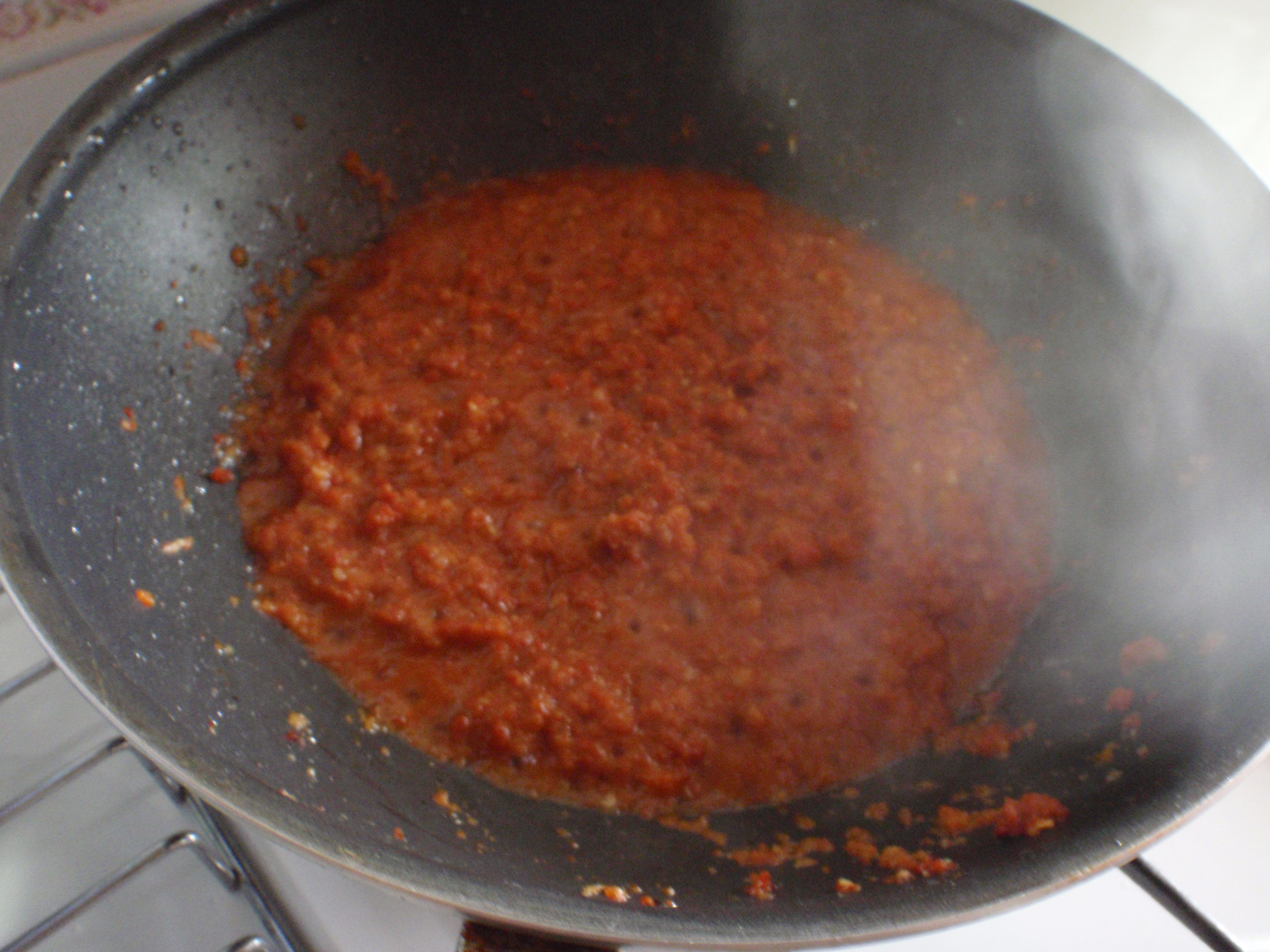
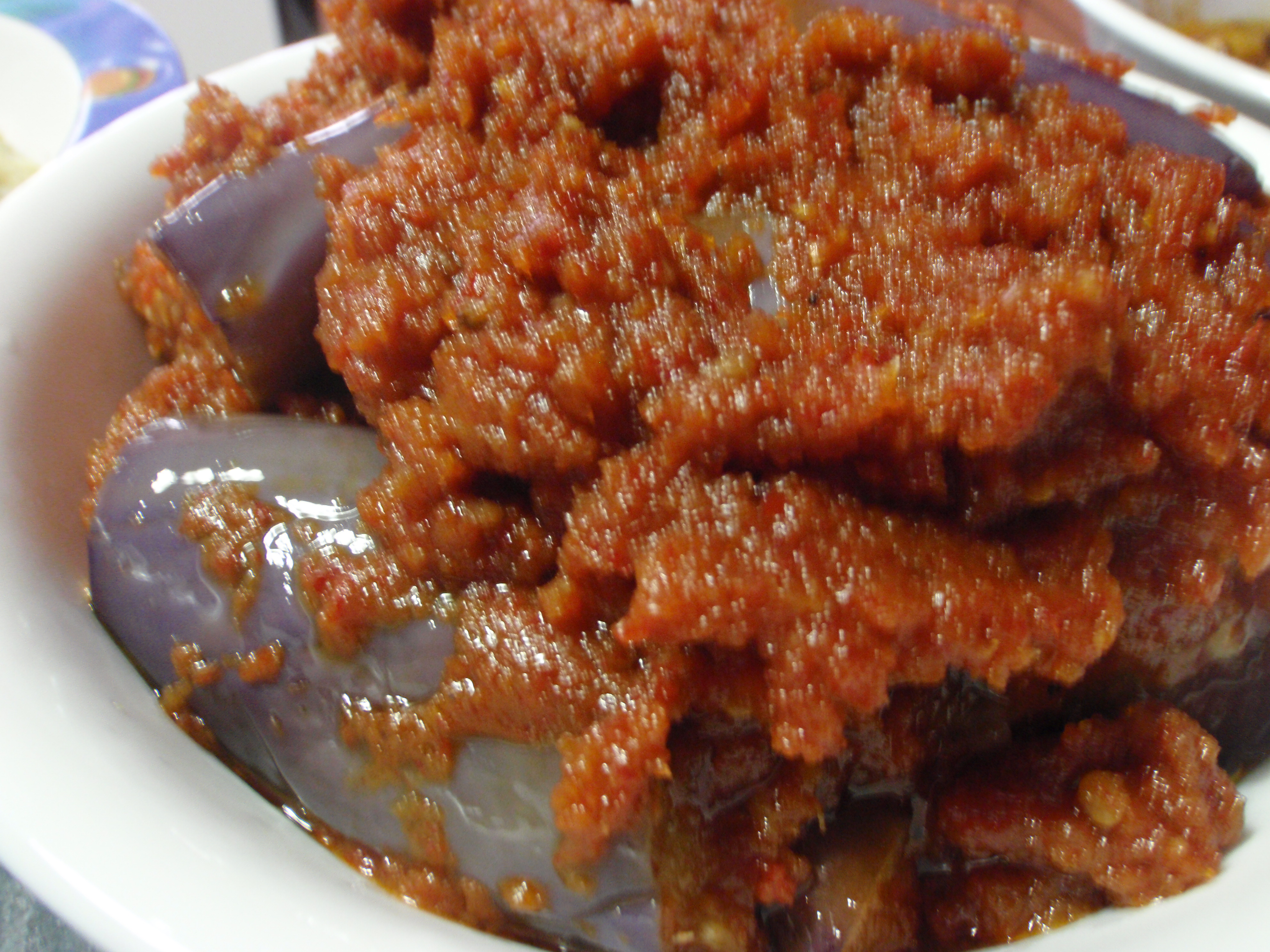
A few days ago, I was on a cooking spree. I cooked for my weetle sister. There were two lovely purply brinjals in the fridge courtesy of Mum and so I decided to make a good use of it. At first, I was really worried that something was wrong with the sambal – it took forever to be cooked. But my patience was rewarded. And, I learnt another cooking skill beside the value of patience – tasting! Yep, previously it was hard to taste food while I was cooking but after many not so perfect results, I decided to taste taste taste. And it paid off this time round. I tasted, it was sourish. I added a bit sugar. Taste again. Still sour. Sugar. Taste. Sour. Ok, a little bit more of sugar. Finally, perfection.
Ingredients
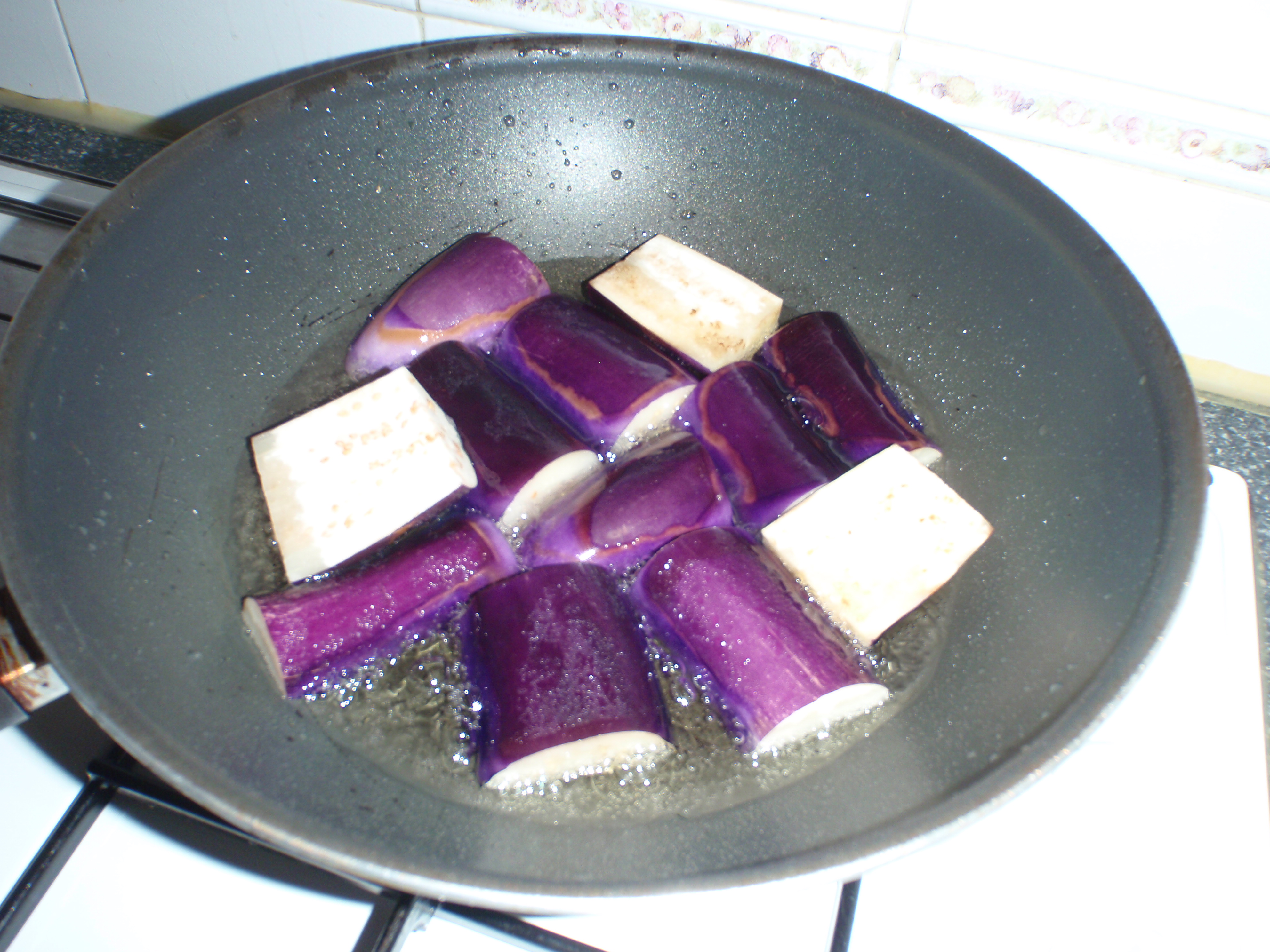
2-3 long purple brinjals, cut into medium lengthwise pieces
Sambal Paste (mixture of blended dried chillies and onions, garlic and belacan)
Tamarind juice, or in my case that day, lime juice.
Sugar
Fry brinjal pieces till soft
Add oil. Add enough sambal paste to fill the base of a wok. Cook till chilli paste is cooked. If the mixture is a bit dry, add a bit of water and continue cooking. Add about roughly 2 tbsp of tamarind juice. I used lime juice on that day.


 The Occasional Cook