Asian Dishes, Poultry

Lemak Ayam Chilli Padi (Chicken in Spicy Coconut Milk)

Today we had an exorbitant lunch at Hei Sushi. Feeling rather guilty but extremely satiated ( we love Japanese food!) I decided to cook a very simple dish for dinner. It’s actually a kampong dish and there are several methods to cooking it though the ingredients are largely the same. The way I cook it (well, the way I was taught to do it) is to boil the rempah, or spice paste, together with the chicken in the pot.. But I know of many other families who would fry the rempah first. To each their own. My version is definitely more ‘kampong-y’ as there’s a lot of thin gravy and extremely spicy (since you don’t fry the rempah). I literally pour the entire bowl of gravy onto my rice – much like eating soup with rice. This is also a family favourite dish, and one I’d make at least once a month (well, at least before the baby came into the picture). 

Ingredients

1. 2 onions (or 1, if it’s like a freakily large one)

2. 2-3 garlic cloves

3. Fresh turmeric

4. a knob of ginger

5. belacan

6. chilli padi (about 14, or much less if you can’t take the heat :p)

7. Lemongrass

8. Kaffir Lime leaves

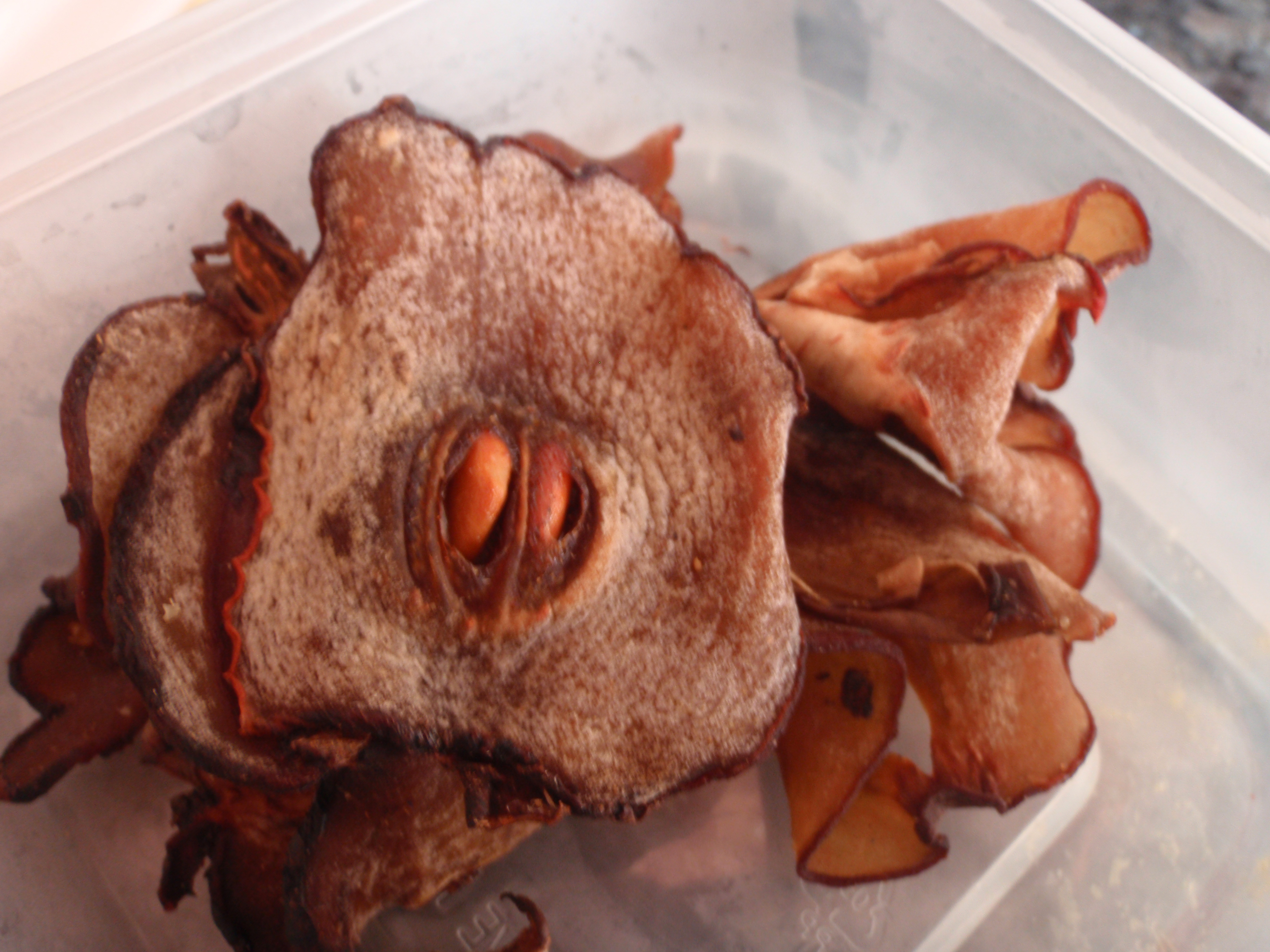
9. Assam gelugur (Assam fruit? Picture available for reference)

10. Coconut Milk (packet or freshly squeezed)

Method
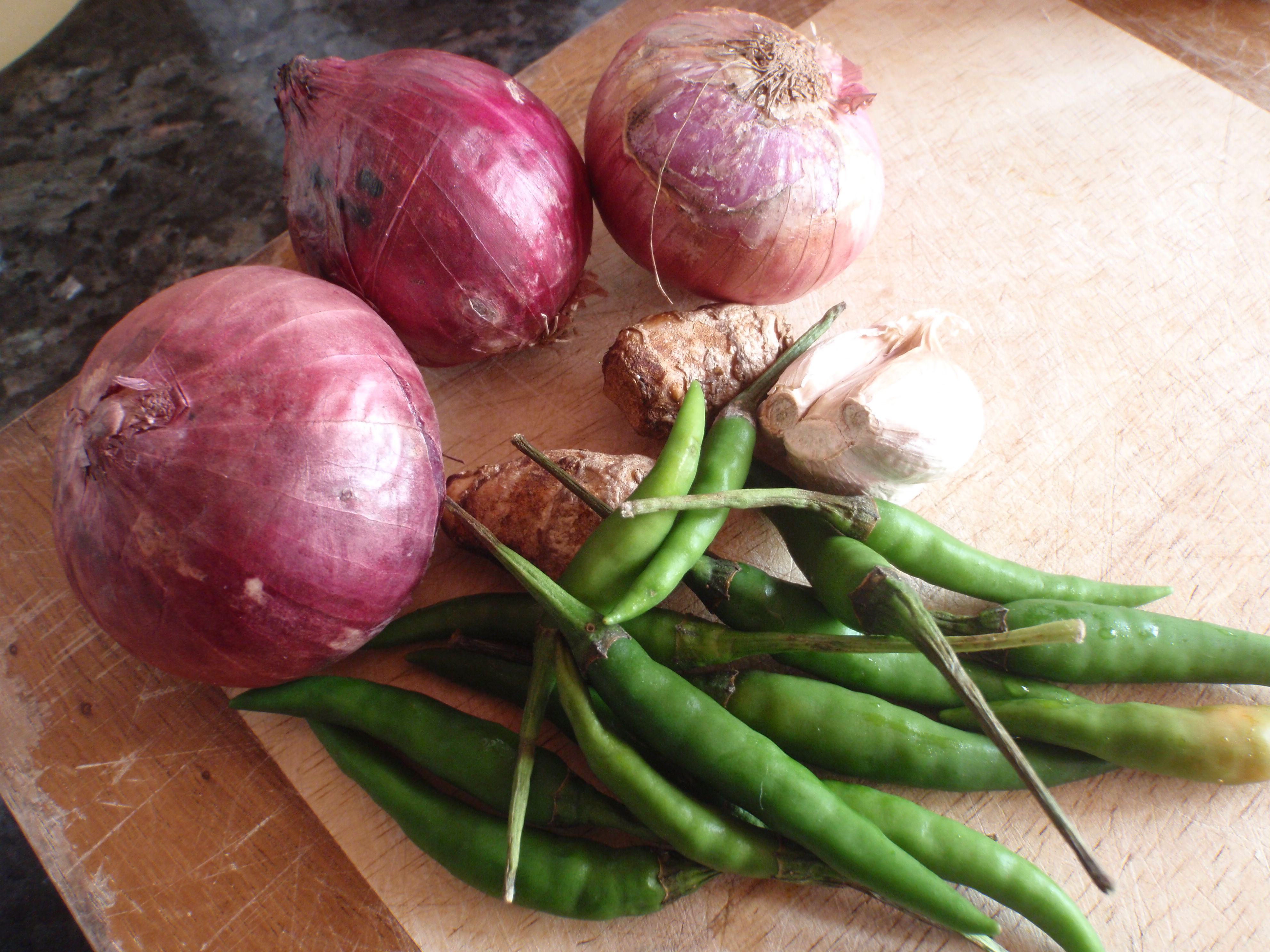


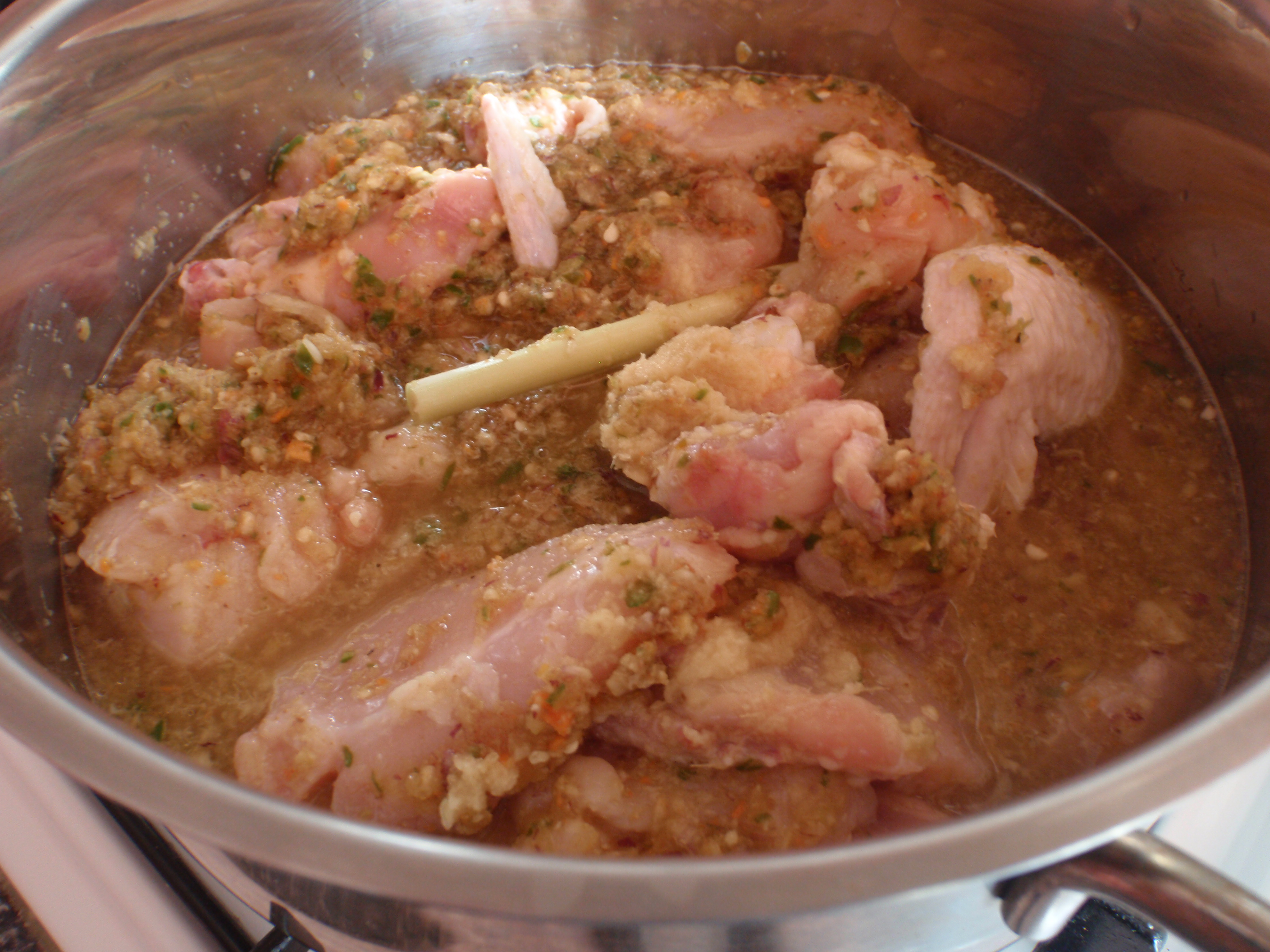
Blend or pound Items 1-6. I already have blended ginger paste and ground belacan which I added into the blender.


Pour blended ingredients into the pot of chicken. Add water to cover all of the chicken and let cook till the chicken pieces are half done. Oh, throw in the lemongrass.


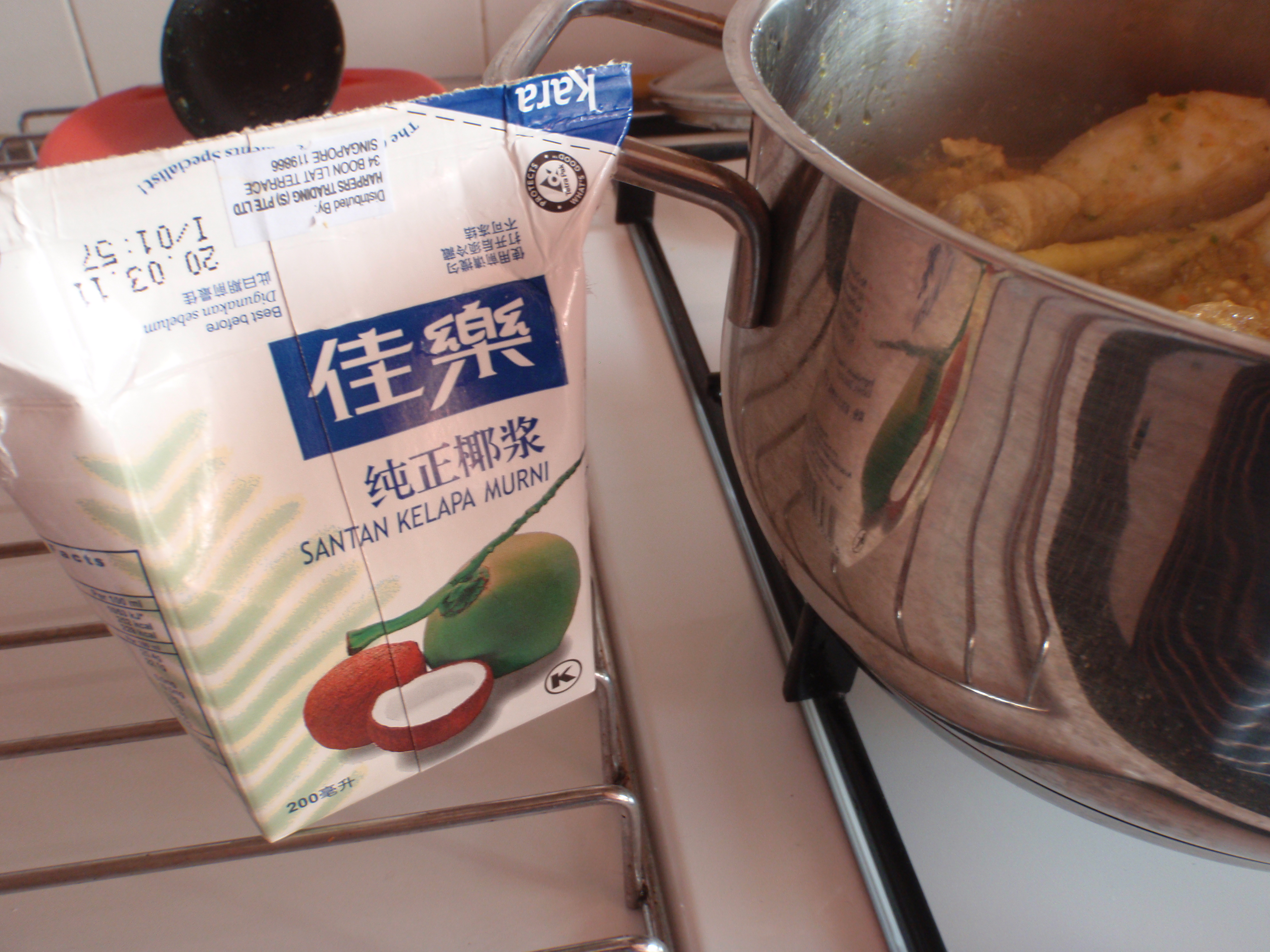
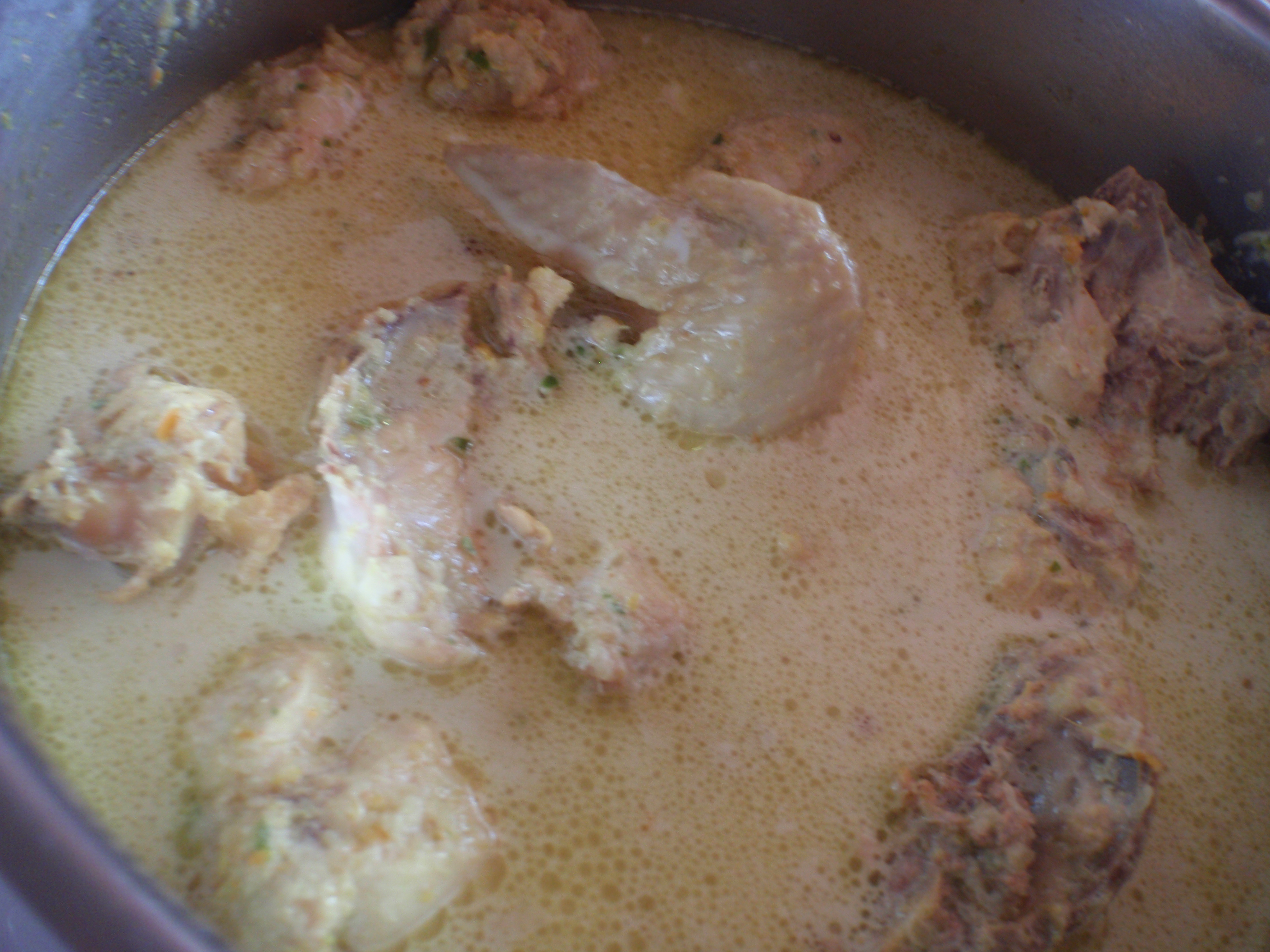
Add in one packet of coconut cream. In the past, lots of people would use freshly squeezed coconut milk. Now, a 70 cent packet like the one above would suffice.


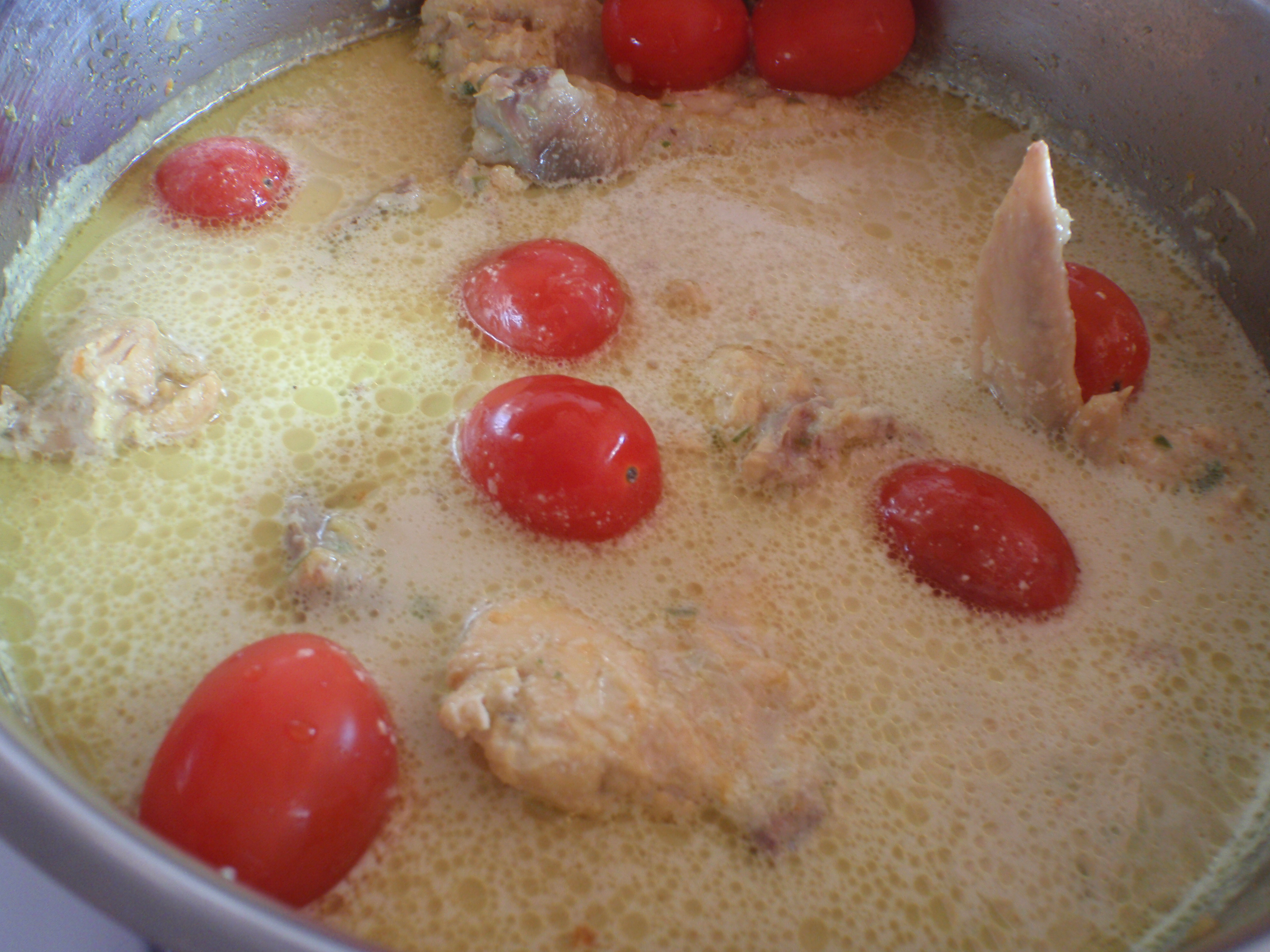
Once coconut is added, make sure the heat is low. Add in the kaffir lime leaves, assam piece and salt.


I added in baby tomatoes but the traditional sour ingredient is to add in belimbing - local baby starfruit.


This dish is fragrant and ignites all your senses, well, just your tastebuds then. It’s very spicy, yet the assam gelugur adds a slightly sour taste to cut the richness of the coconut milk.  And the kaffir lime leaves add a wonderful mild fresh lime fragrance to the  dish. Mmmmm…

Oh, this is what assam gelugur looks like.
I cut down my sugar/fat intake by eating this with a plate of basmati rice. Try it if you’ve never eaten this dish before. 
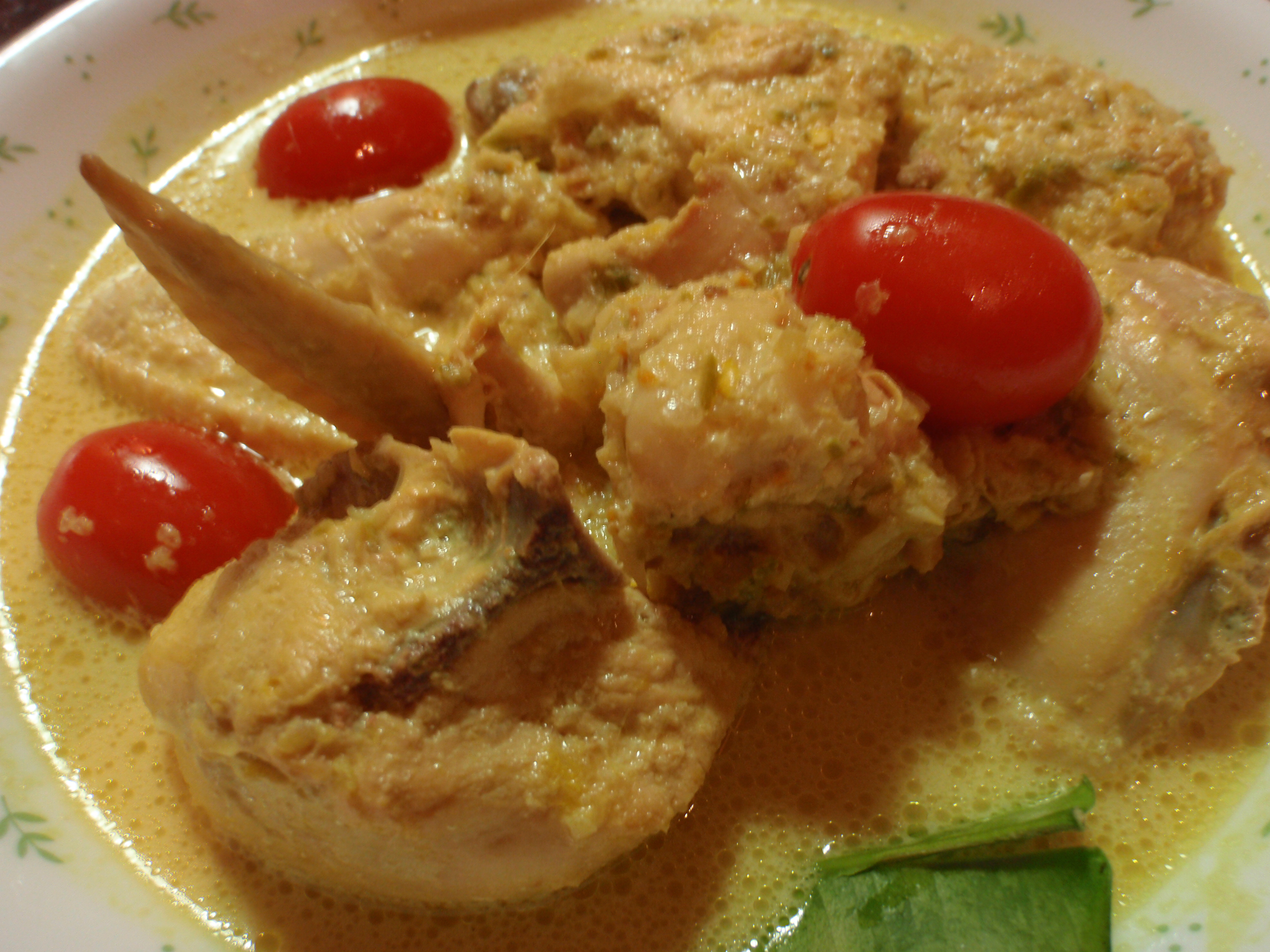
Lemak Ayam Chilli Padi: Only 20 minutes to cook!
Asian Dishes, Malay, Seafood

Sotong Mas Ayu (Squid in soya sauce)

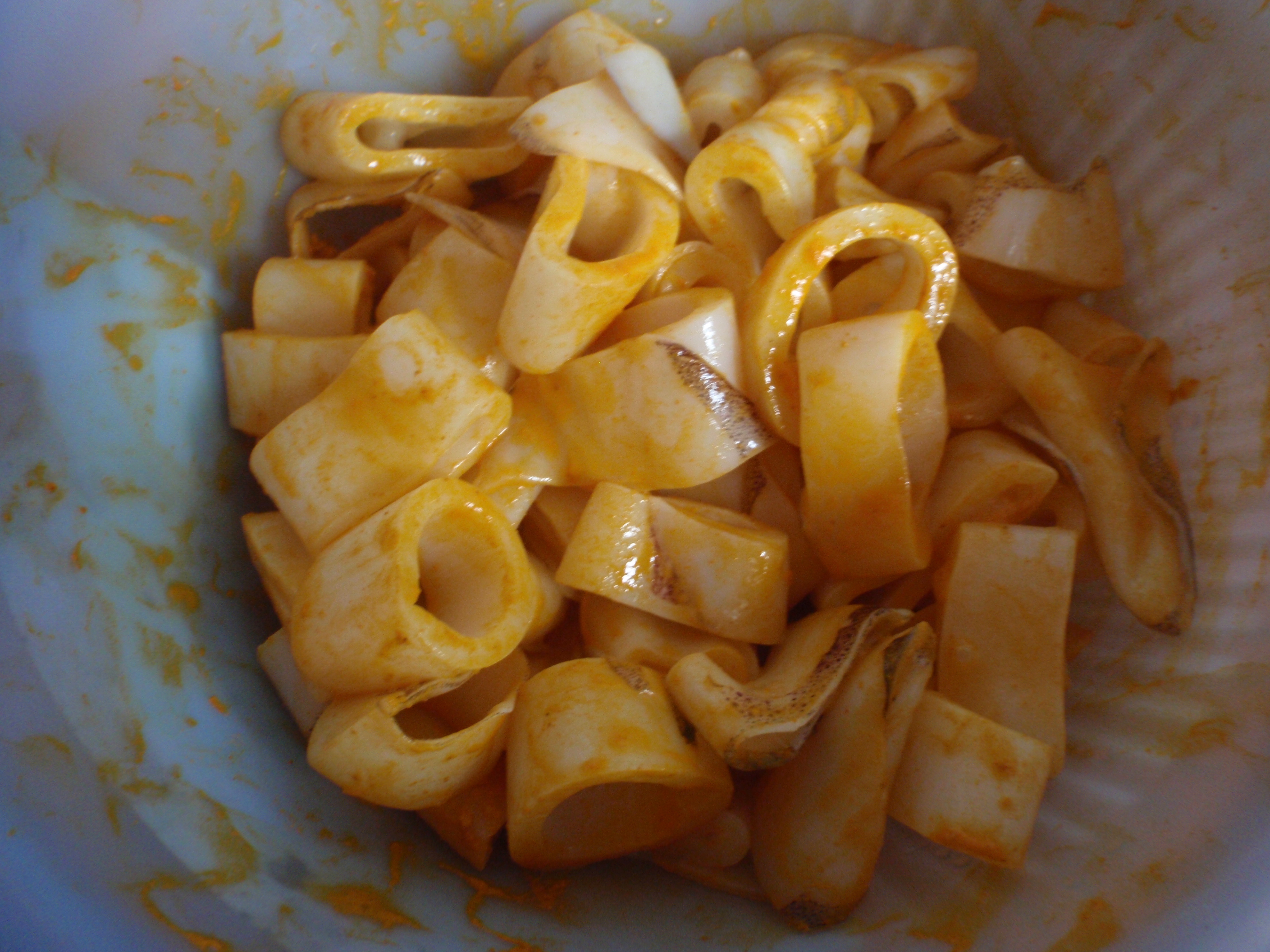
Other than the brinjal sambal, I also cooked squid that day for her. I used to cook this dish before and since the domestic helper was around, I asked her to go the market and buy some squid. The dish is from a very good cookbook I got from Malaysia. I’ve made several of the dishes in there and they worked out real good. I’ll post a picture of the two books at a later date, or in my pages section.

Recipe

1/2 – 1 kg of squid, cut into rings and seasoned with lime juice and fresh or powdered turmeric

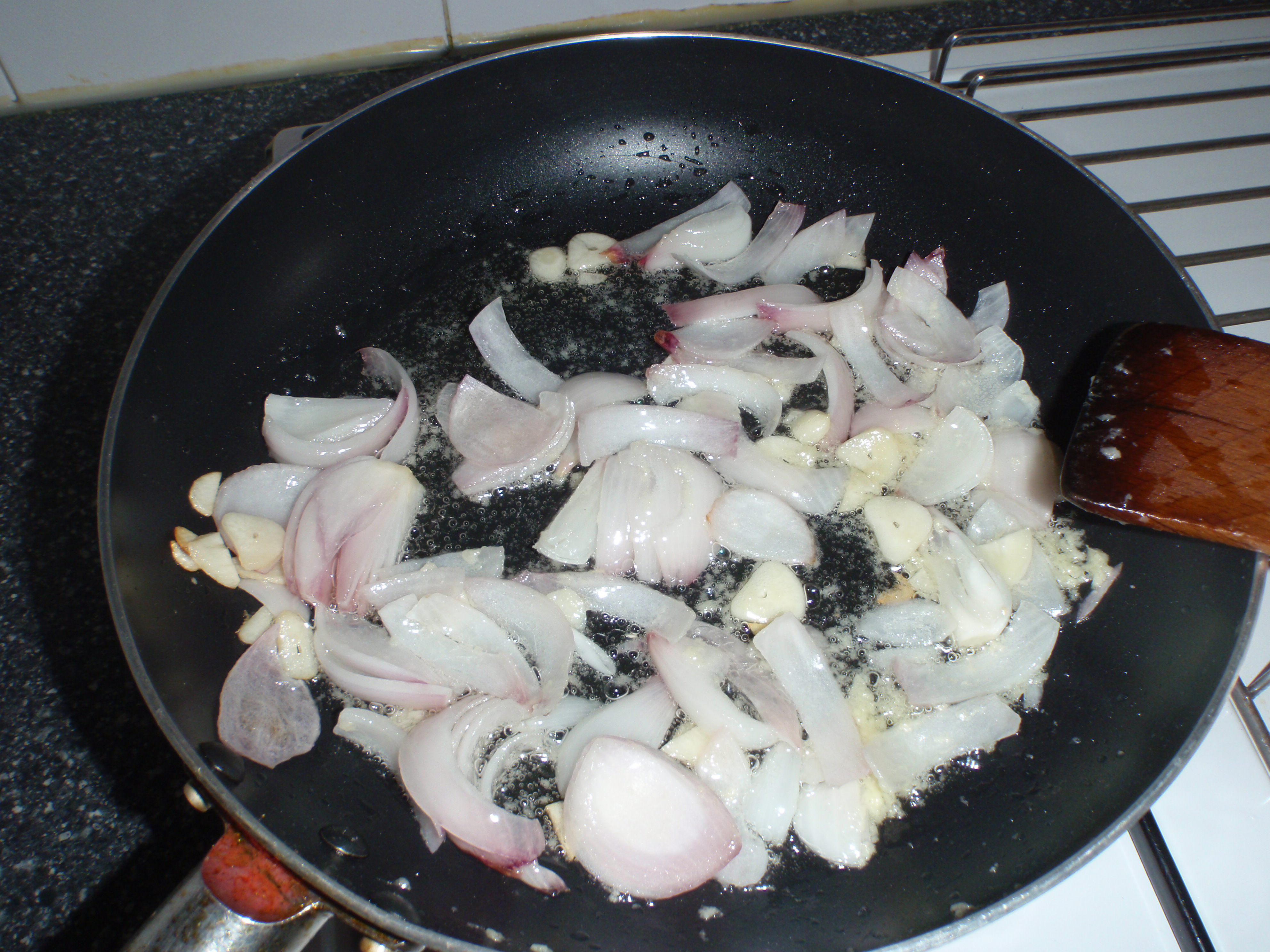
1 onion sliced thick

1-2 thinly sliced garlic

garlic

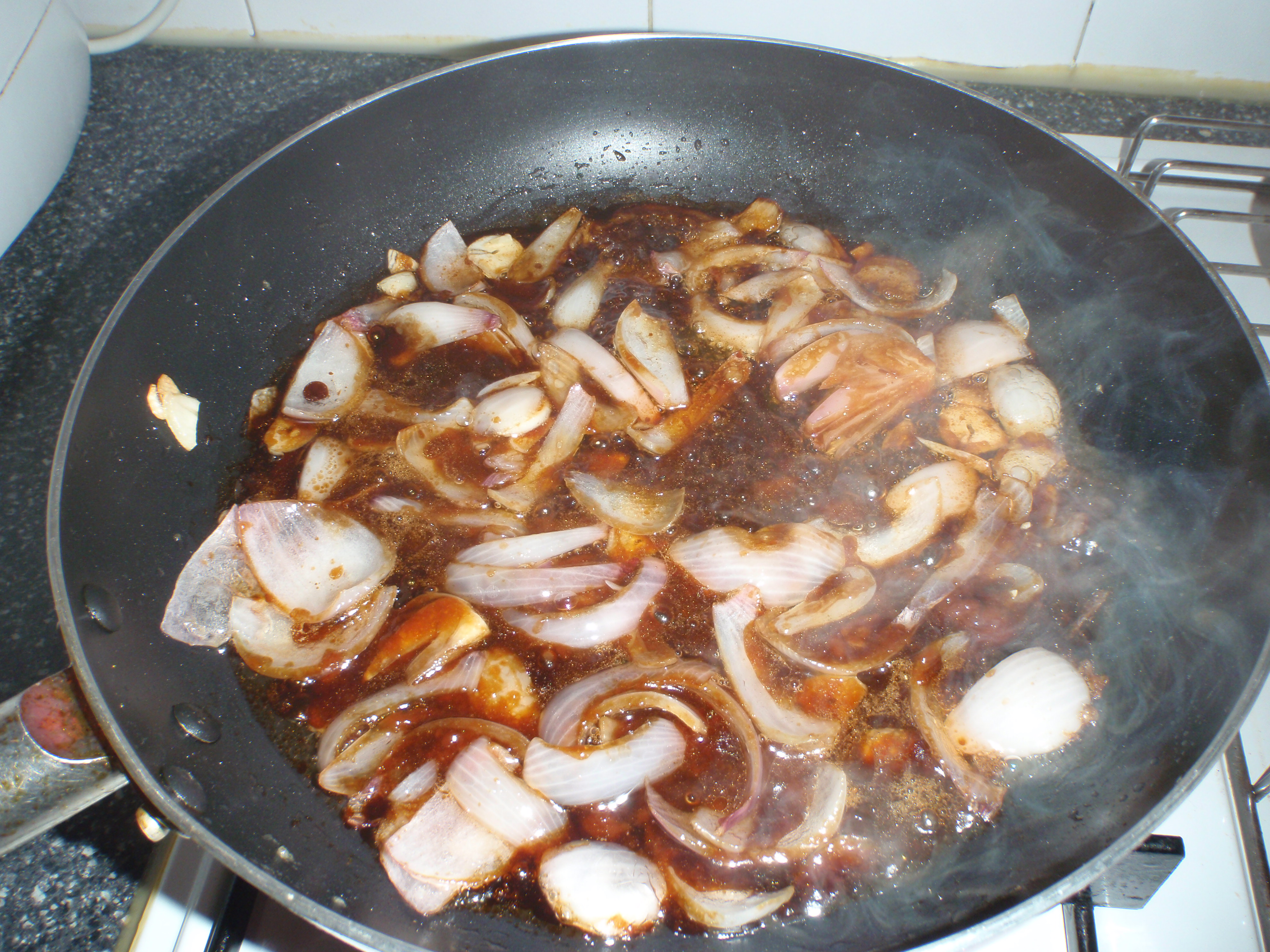
Indonesian sweet soya sauce

ketchup

lime juice

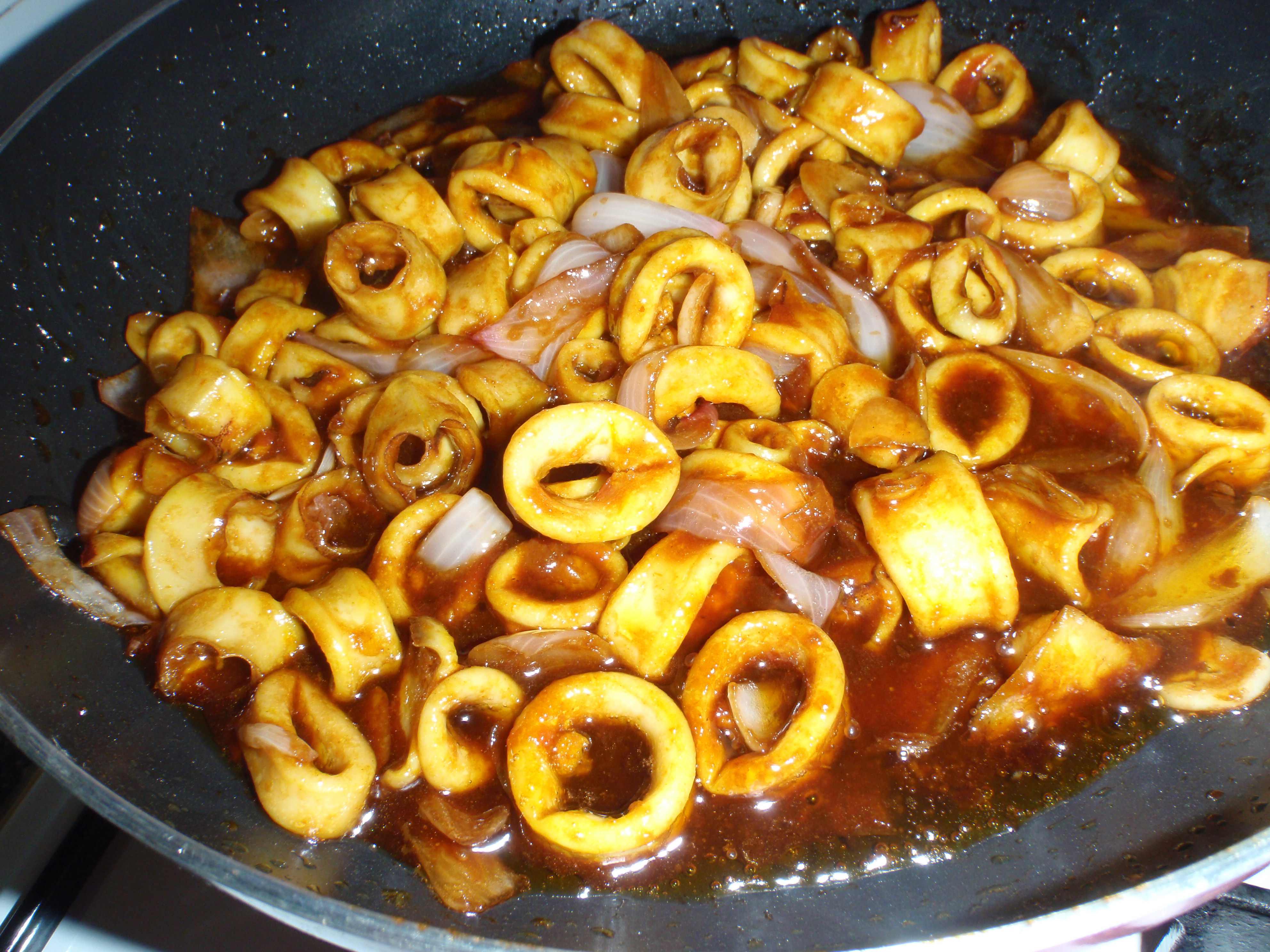
Yes, it’s that simple but tastes wonderful.

Marinade the squid in turmeric and lime juice. Then deep fry till done.
Add onions and cook till soft
Add a lot of soya sauce to cover the pan. Add 2-3 tbsp of ketchup and some lime juice.
Add fried squid and mix to coat. Do not overcook or squid will be tough.
Asian Dishes, Salads and Vegetables

Sambal Terong (Brinjals)

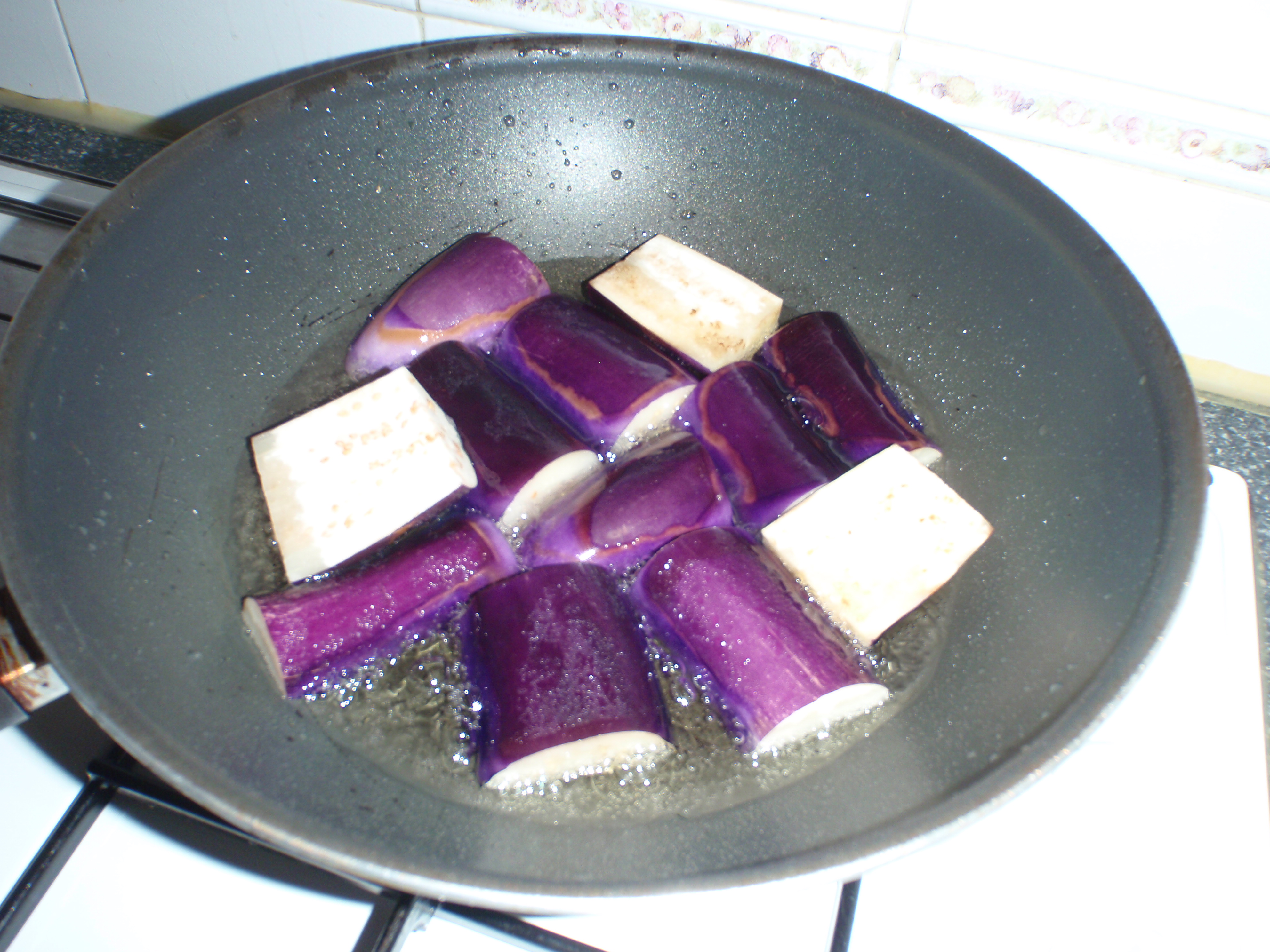
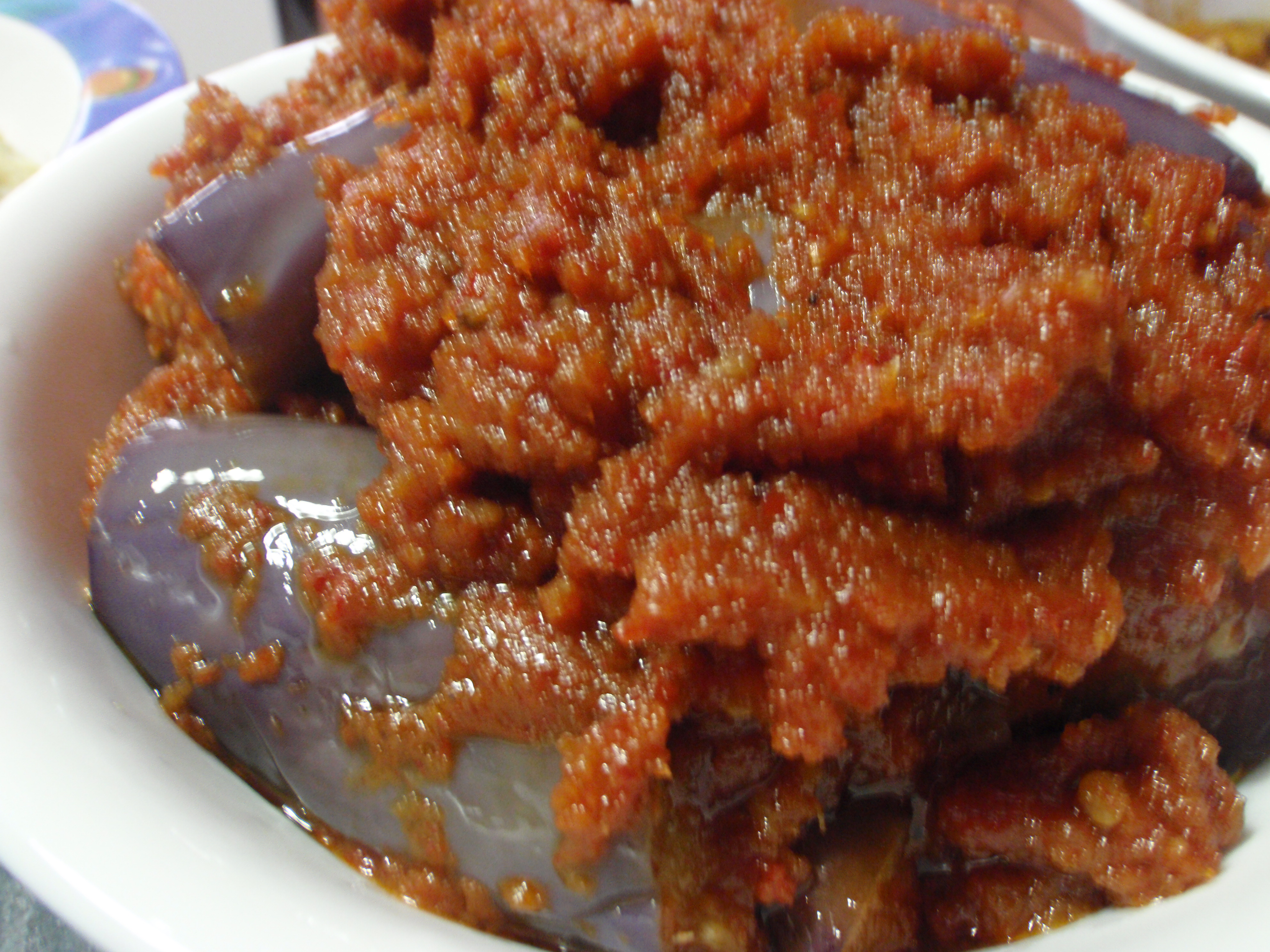
A few days ago, I was on a cooking spree. I cooked for my weetle sister. There were two lovely purply brinjals in the fridge courtesy of Mum and so I decided to make a good use of it. At first, I was really worried that something was wrong with the sambal – it took forever to be cooked. But my patience was rewarded. And, I learnt another cooking skill beside the value of patience – tasting! Yep, previously it was hard to taste food while I was cooking but after many not so perfect results, I decided to taste taste taste. And it paid off this time round. I tasted, it was sourish. I added a bit sugar. Taste again. Still sour. Sugar. Taste. Sour. Ok, a little bit more of sugar. Finally, perfection.

Ingredients

 2-3 long purple brinjals, cut into medium lengthwise pieces

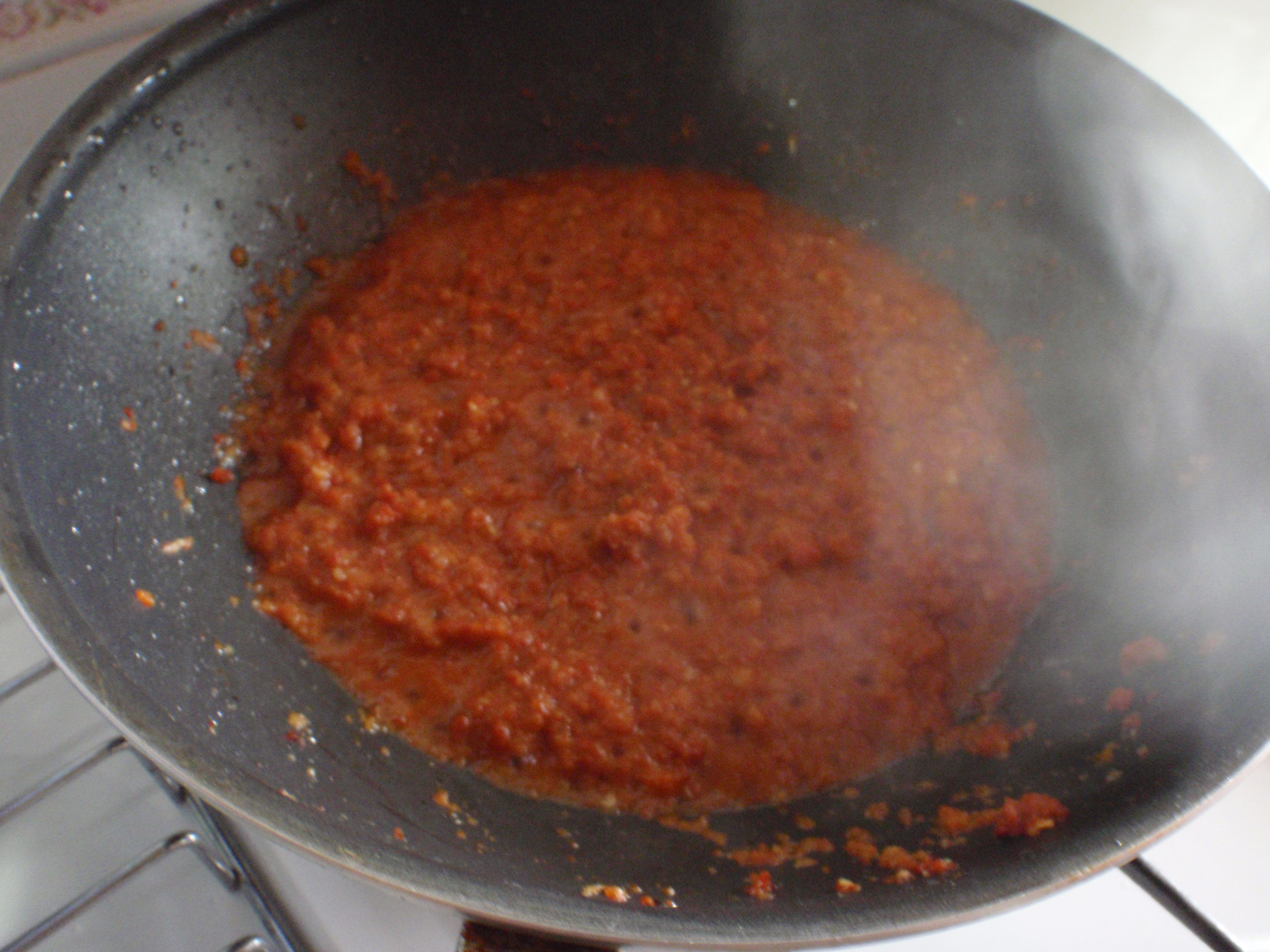
Sambal Paste (mixture of blended dried chillies and onions, garlic and belacan)

Tamarind juice, or in my case that day, lime juice.

Sugar

Fry brinjal pieces till soft


Add oil. Add enough sambal paste to fill the base of a wok. Cook till chilli paste is cooked. If the mixture is a bit dry, add a bit of water and continue cooking. Add about roughly 2 tbsp of tamarind juice. I used lime juice on that day.


Sambal Terong
Asian Dishes, Malay, Sides

Tempeh Manis

I love tempeh – fermented soya bean cake. I love it love it love it. I also understand that non-Malays may not know this food item (what is it anyway? a vegetable? a bean?) nor like it. I have met some non-Malay friends who told me they do not like it. Did I say how much I love tempeh? I do I do I do.

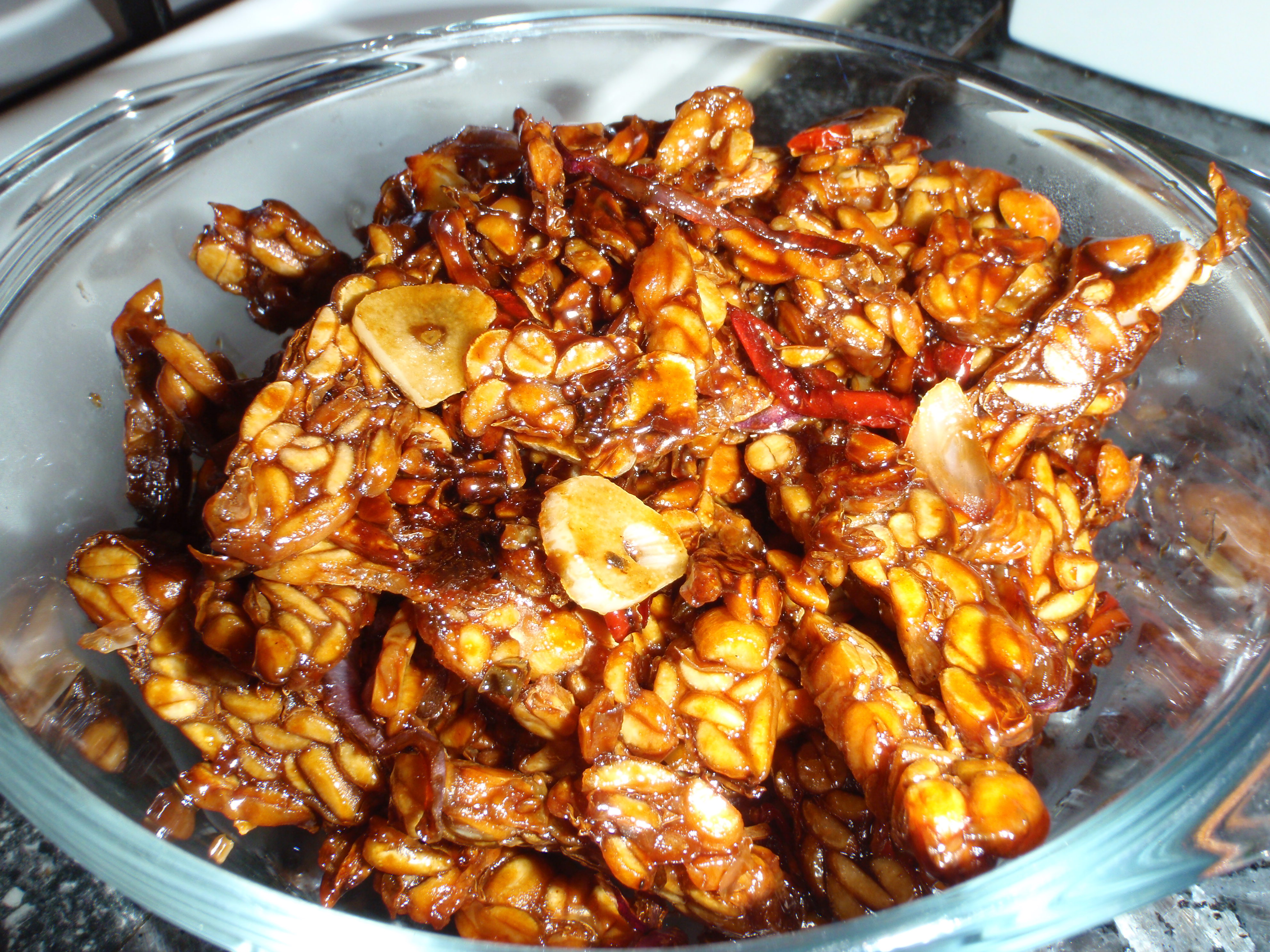
One tempeh dish that my mother makes is tempeh manis, and it is also one of the first dishes I learnt to cook before I got married. My late father, when I cooked it for the first time, made a face and told me point blank that it wasn’t nice. My mother then asked me what I put inside. I told her, amongst other things, salt and pepper. And there you go, the folly of youth. You do not add pepper and salt to the dish. It is after all, tempeh manis (sweet).

Recipe

4 tempeh pieces, thinly sliced ( I do not like the ones thickly sliced)

1 onion, sliced

1 red chilli, sliced

Enough Indonesian sweet soya sauce to cover the tempehs in the pan

A little bit of tamarind juice (to counter the sweetness)

Method

Fry the tempeh slices till crisp

In a shallow pan, brown the onions.

Add the sweet soya sauce

Add a bit of tamarind juice

Pour in the tempeh slices

Mix to coat well

You can add a bit of sugar, but if too much, it will caramelise and harden your dish.(I’ve done this before 😦 ) For the dish I made a few weeks ago, I added sliced garlic before browning the onion slices because I just felt like chewing on fried garlic. It won’t ruin the taste of the dish (unless you add in like a whole lot of garlic)

Serve with hot rice and a main dish. Voila!

Tempeh Manis
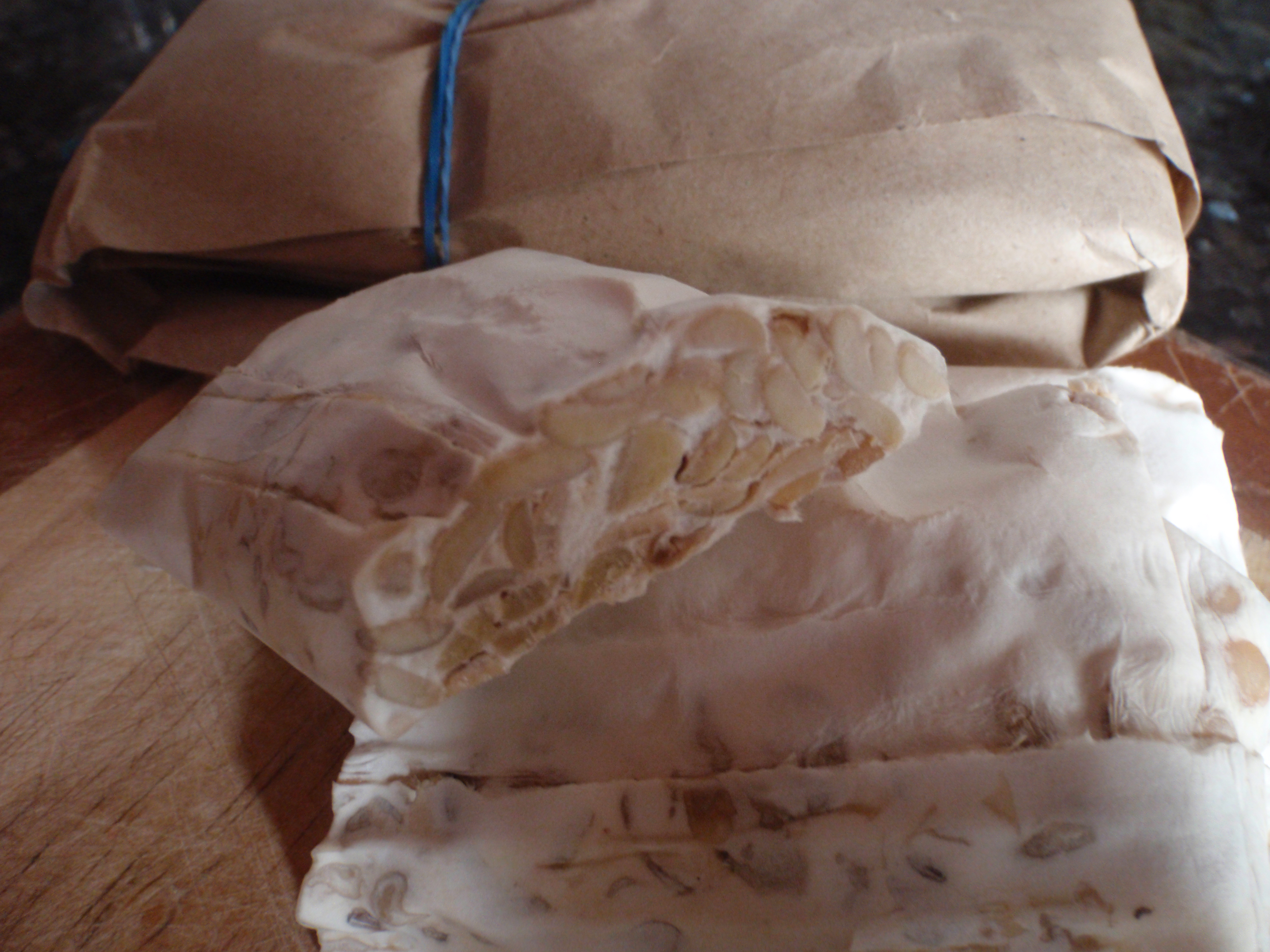
Raw tempeh
Asian Dishes, Desserts, Malay, Singapore

First Try on making Puteri Salat

A few days ago, even as I was hacking away intermittently, I decided to try something new. Just because I was feeling bored. The beauty of having a domestic helper I realised is that I have pockets of free time available. And I have somebody to store away the dishes after ( I love washing dishes so I clean most of the things I use in the kitchen) ;P

Since I had a packet of glutinous rice in my cupboard, I thought I’d make good use of it. I trawled  the internet for a good recipe for ‘puteri salat’ but I couldn’t find many. That’s because in different regions, the kuih is called by other names. Seri Muka for one. Or Nyonya Kueh. Anyway, I found two rather simple ones, but I didn’t follow the recipes to the T. Firstly, I only had a small aluminium pan that could barely fit into my steamer pot. Secondly, I didn’t have a piece of banana leaf to press down the glutinous rice (I used plastic). Thirdly, I could only use pandan leaves from The Hubby’s garden outside. This is how I made the kuih.

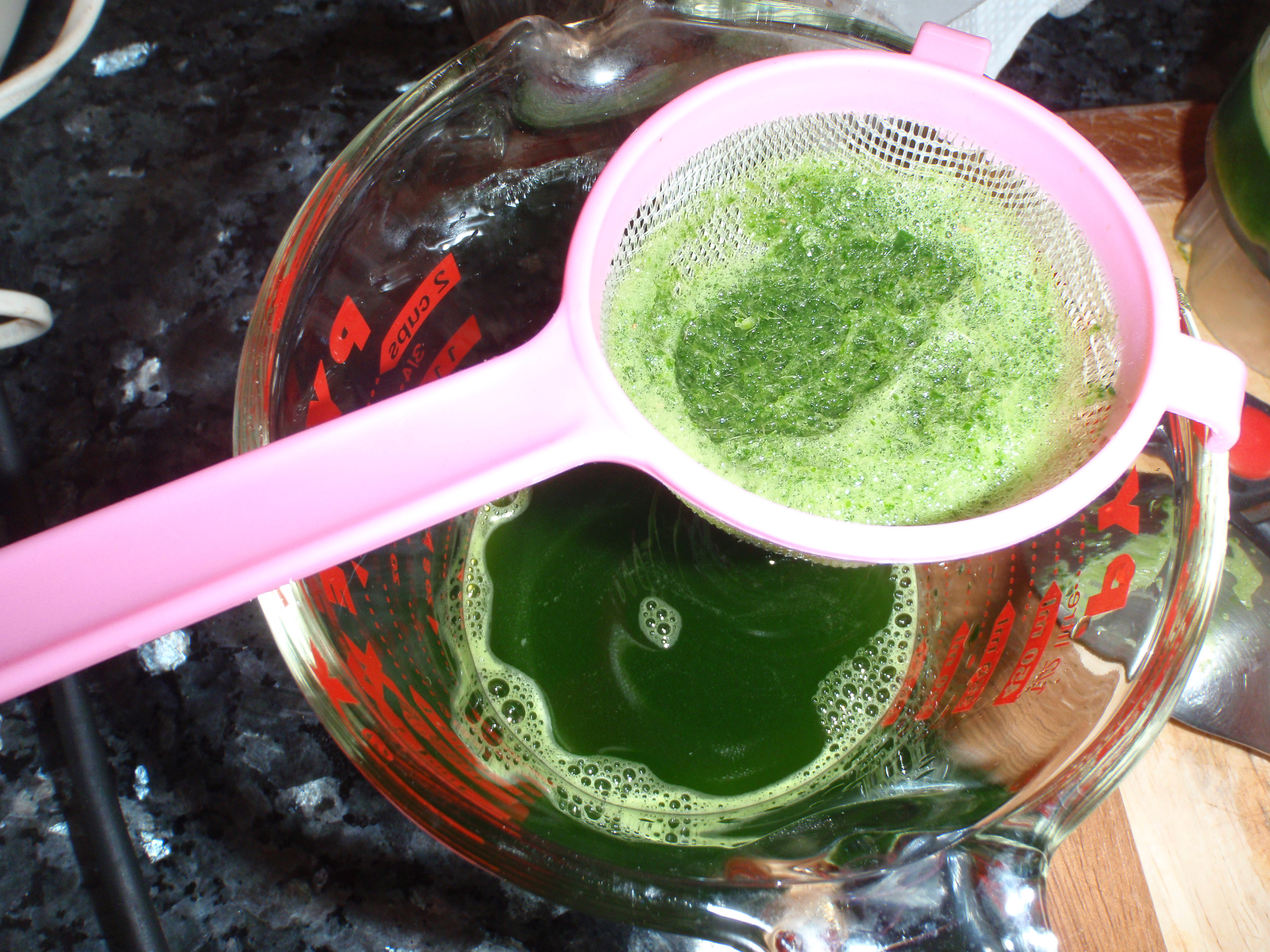
First, I made pandan juice. Easy Peasy. Just blend 6-8 pandan leaves with water and strain. Get about 200 ml of juice.

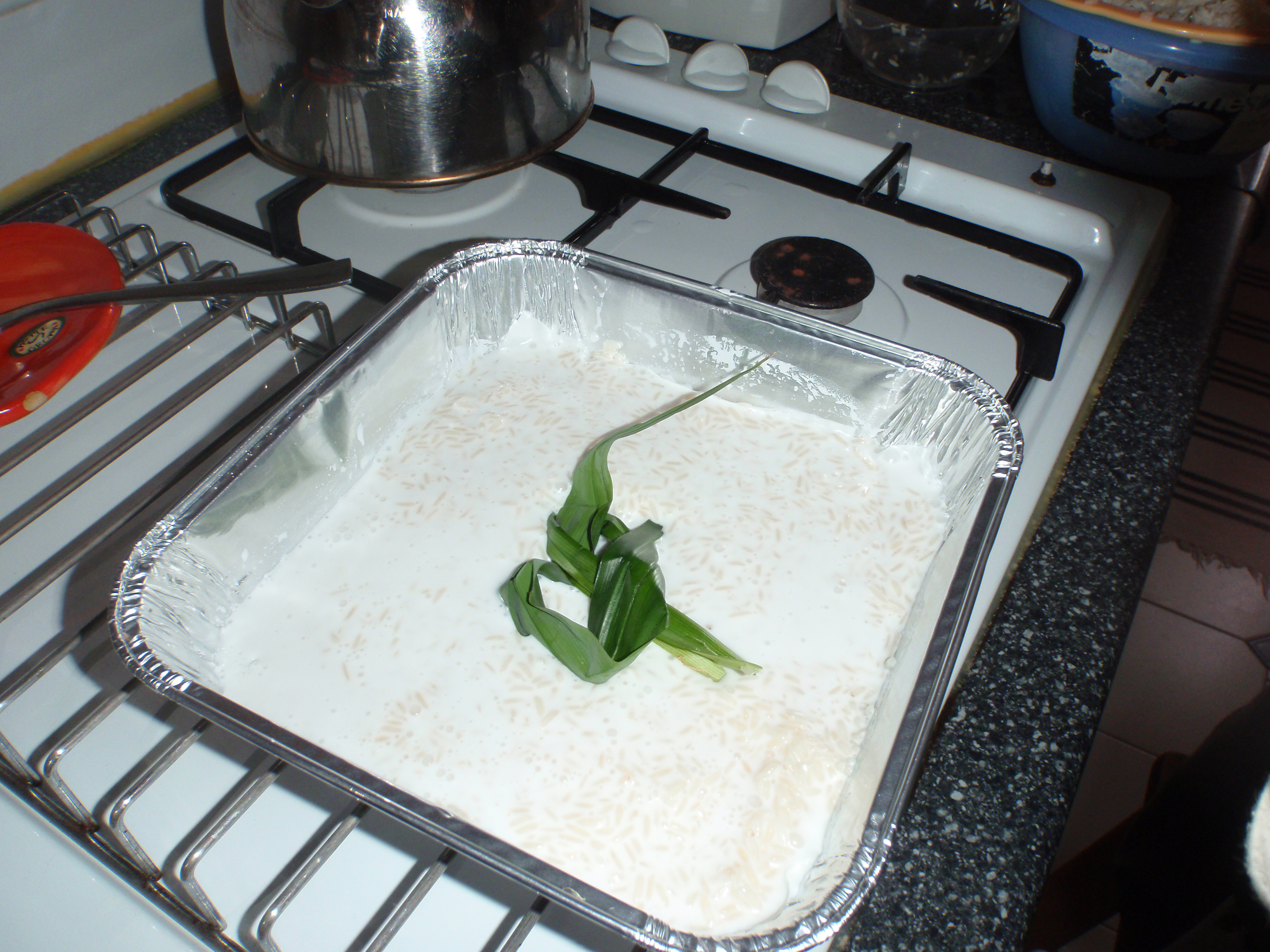
Before this, I had soaked the whole packet of glutinous rice in a container for roughly 3 hours. But what I used was just enough to cover half the aluminium pan. I mixed the rice with one packet of coconut cream and salt. I steamed the whole thing for about 20 minutes till done. After that, I fluffed the rice, pressed down a second time till even and steamed for a further 10 minutes.

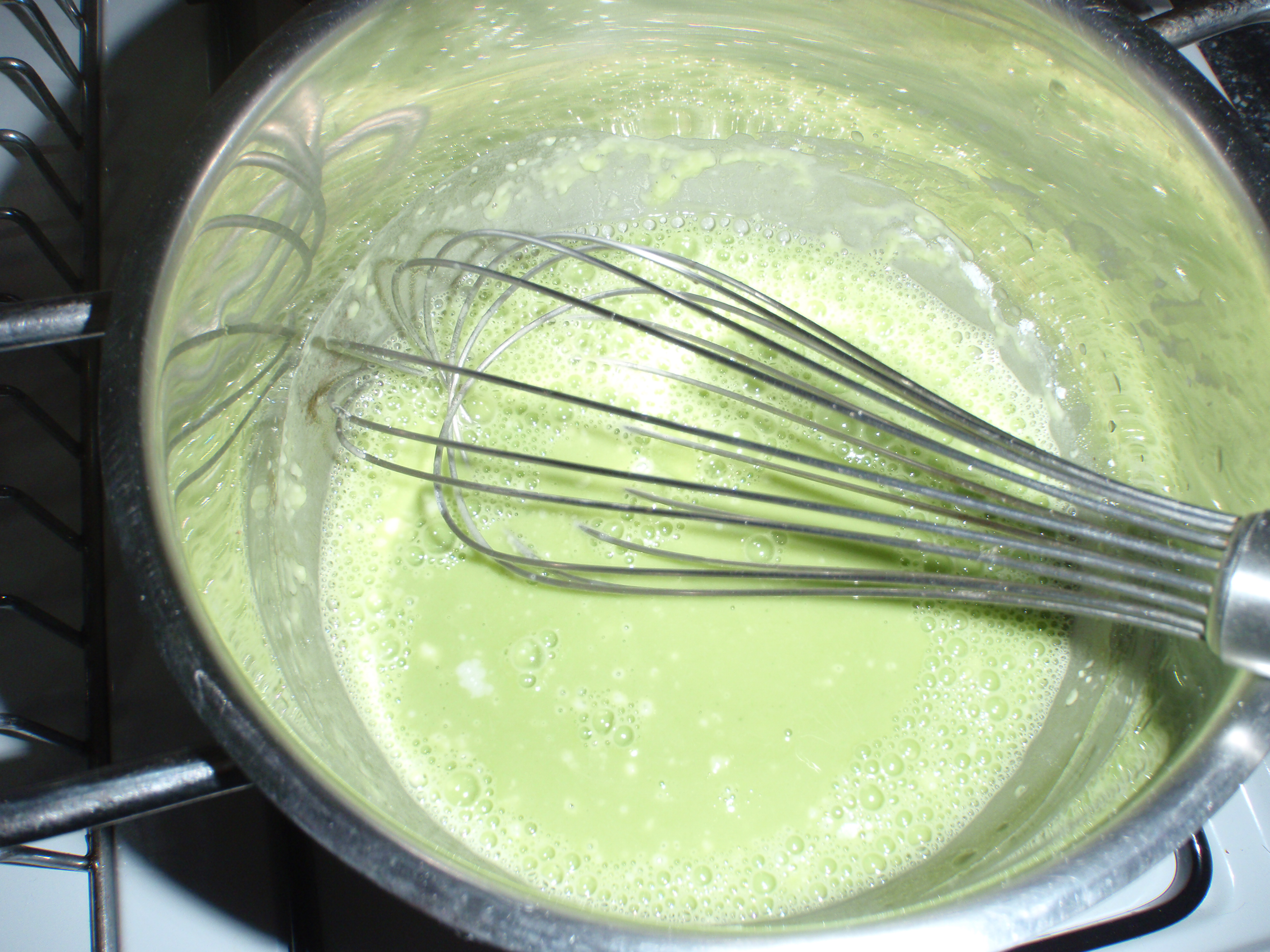
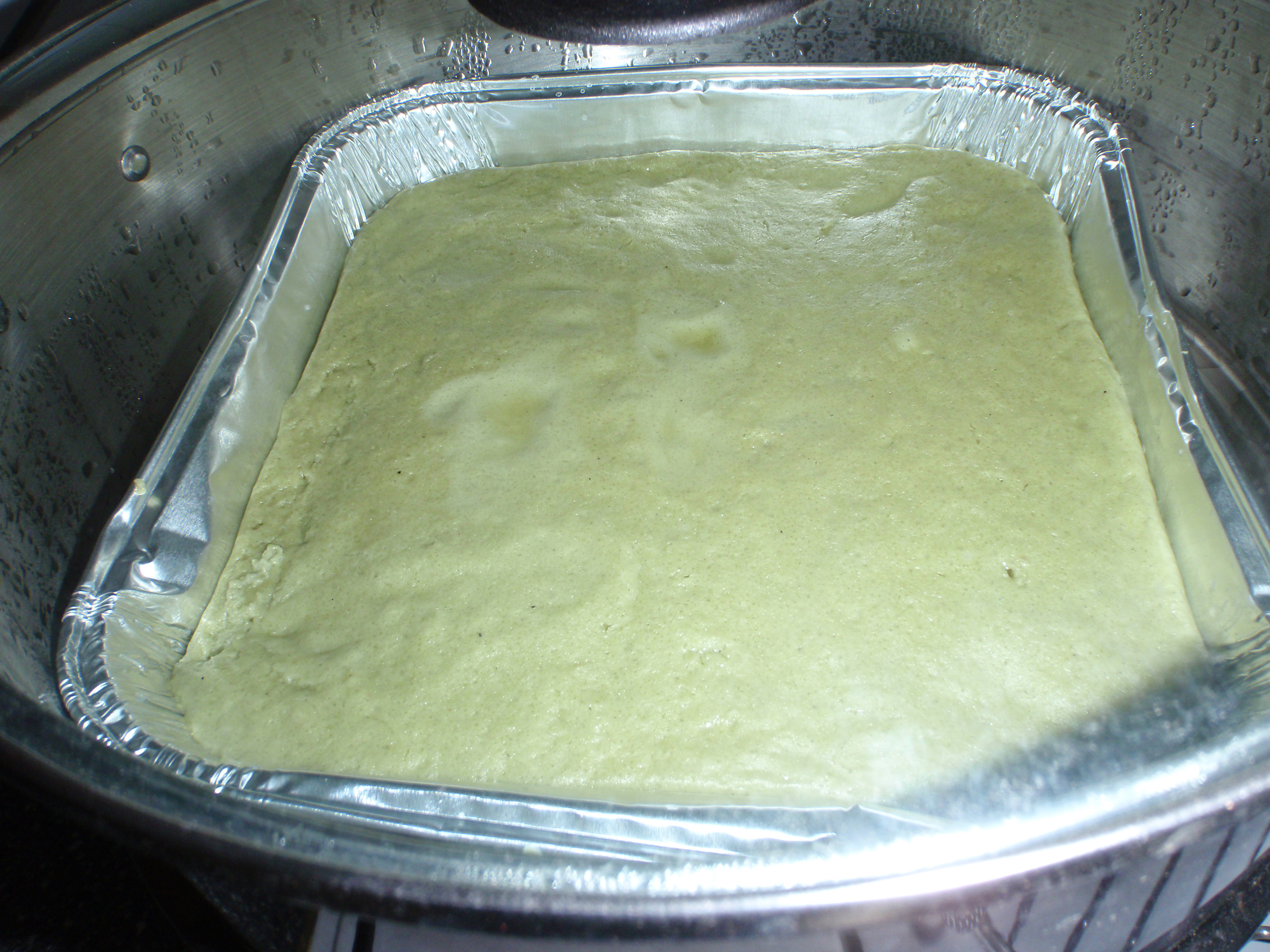
To make the topping, I beat 3 eggs with palm sugar. I added in one packet of coconut cream, the pandan juice and 2 tablespoons of plain flour and heat the mixture over a small fire till its fairly cooked. It should thicken slightly. After that I strained the mixture and poured the smooth paste over the steamed rice and cooked again.

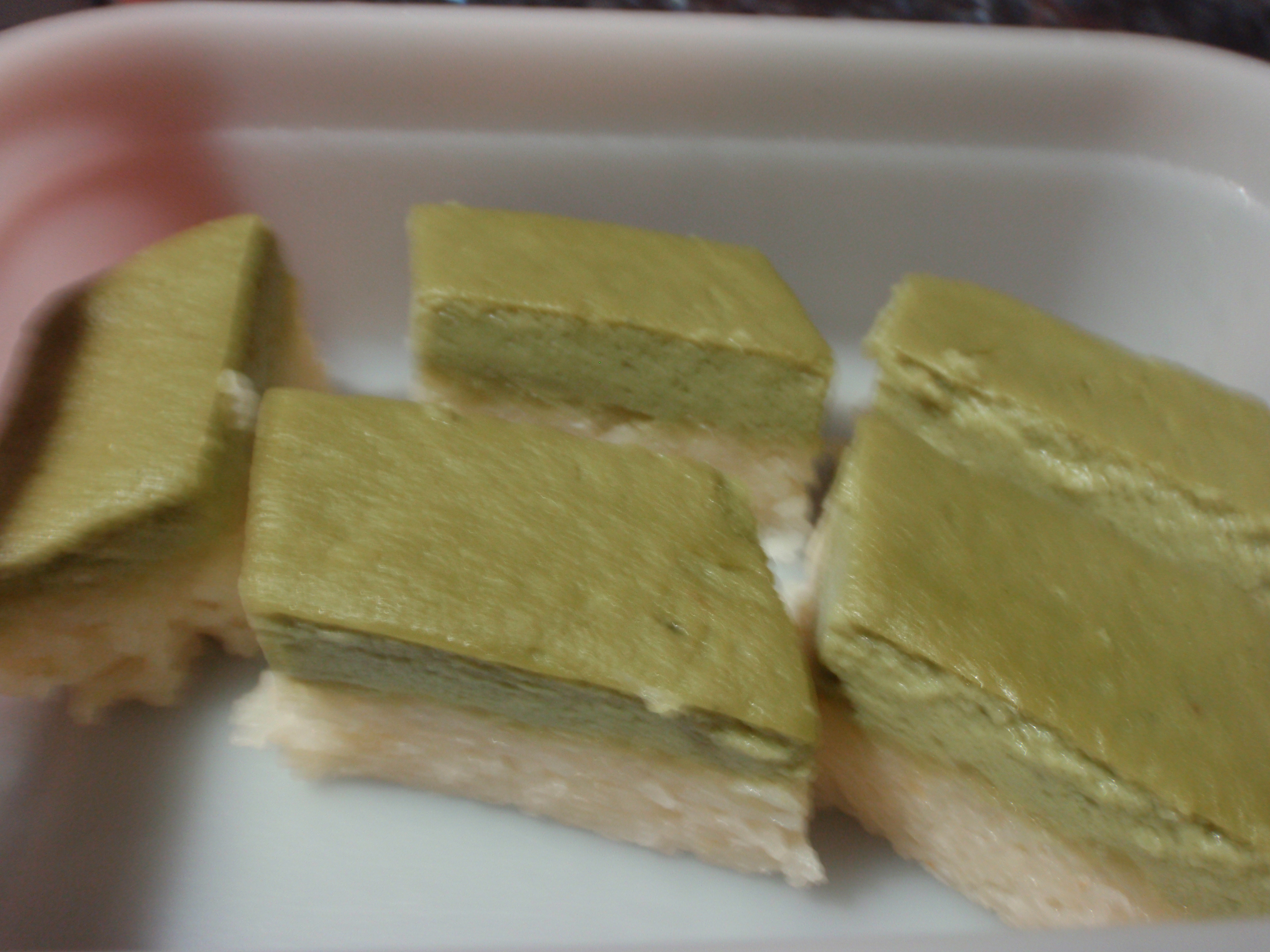
The outcome? It looked alright but I didn’t like it because the rice was too bland. I thought it was tasteless. I should have put in more salt. Coconut and salt are best friends. When I gave some to my mother, she said it wasn’t sweet enough but the rice was very nice. (puzzled) She told me not to use gula melaka but regular castor sugar. This weekend I shall make one more batch and if it turns out perfect, I will post the exact recipe here. In the meantime, this is how my very first attempt at making a kuih looks like:

Throw in one pandan leaf for flavour
While waiting for rice to cook, play with child for a while.
When rice is cooked for the second time, make the custard topping.
Steam for another 20 minutes or until topping is set
Cut into squares or diamonds and give away to unsuspecting relatives

The texture, the look was all fine. I just have to remember MORE SALT and MORE SUGAR. Forget the high blood pressure and diabetes. ;p